
Sector · Embassies and consulates
Each mission decides who enters: how duct inspection is coordinated in an embassy or a consulate
An embassy or a consulate is a building where the mission itself decides who enters, and everything starts from that agreement.
 By Limpieza de Ductos Panamá
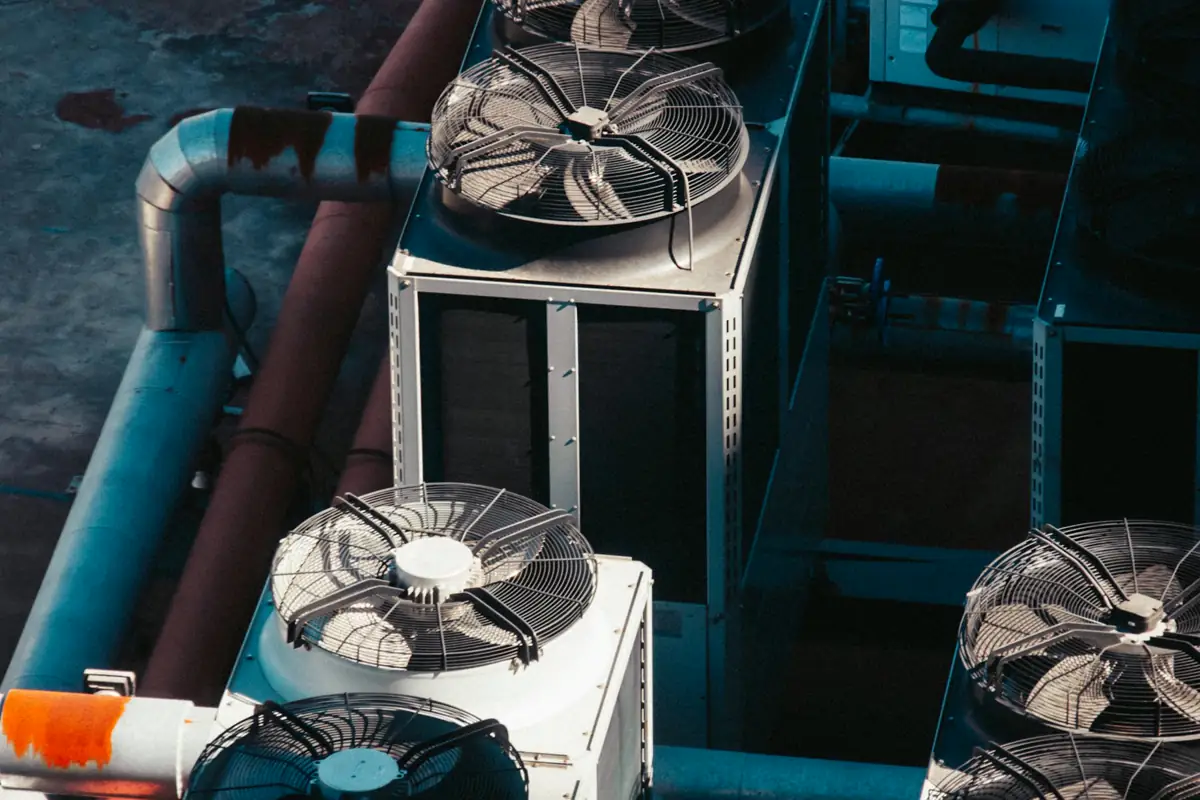
Duct cleaning in embassies and consulates is the camera inspection and cleaning of the air conditioning ducts of offices, service rooms and reception areas, and it is only done with the mission’s consent. Access, escort arrangements and the areas left out are agreed in writing.
What sets embassies and consulates apart
Facts that help decide in embassies and consulates
- In Panama: Panama approved the 1961 Vienna Convention on Diplomatic Relations through Law 65 of February 4, 1963, published in Official Gazette 14833 on March 12, 1963. (National Assembly (Legispan), Law 65 of 1963)
- In Panama: Cabinet Decree 280 of August 13, 1970, published in Official Gazette 16671, set up the national regime for granting privileges and immunities to diplomatic missions, foreign consular offices and representatives of international organizations. (National Assembly (Legispan), Cabinet Decree 280 of 1970)
- Technical fact: Article 22 of the Vienna Convention establishes that the premises of the mission are inviolable and that agents of the receiving State may not enter them without the consent of the head of the mission. (United Nations, Vienna Convention on Diplomatic Relations, 1961)
Types of place within embassies and consulates
| Type of place | What changes in the work plan |
|---|---|
| Embassies and consulates | Hours, access and escort arrangements the mission sets before the visit |
| International organizations | Offices on several floors: scheduled between meetings, based on the calendar that is shared |
| Consular public service offices | Waiting room and counters, at hours without visitors or on days without appointments |
| Mission administrative offices | Offices with restricted access: only the areas the mission indicates |
| Mission reception rooms | Reviewed between events, based on the calendar the mission shares |
| Official mission residences | Only if the mission includes them in the scope, with its coordination and its hours |
How the work is organized in embassies and consulates
- Agree on the scope with the mission. The mission states in writing which areas are reviewed, who authorizes entry and how the staff are identified.
- Inspect only what was agreed. The camera goes through the ducts included, at the hours the mission has set.
- Hand the report to the mission. The report goes to the person the mission designates and notes what was left out of the scope.
An example of what the report brings
What you are left with at the end
- A written scope, agreed with the mission before entering
- Photographs only of the inside of the ducts included
- The list of areas the mission decided not to open
- A suggestion of when to look again, based on the mission’s calendar
Reference sources
On this site
- All sectorsWhat changes in each type of place
- Camera inspectionThe real condition before deciding
- Service areasWhere work is done
Climatiza and Radar Panamá
Related guides and answers
Frequently asked questions
Who decides whether entry is possible?
The mission, through its head or the person it designates. Nothing is done without that authorization.
Can all areas be reviewed?
Only those the mission includes. The rest are noted as not reviewed, with no further explanation.
Who receives the report?
The person the mission designates. It is agreed before starting.
Is an official residence served?
Only if the mission includes it in the scope, with its coordination and its hours.
How often does it make sense to check the ducts in embassies and consulates?
There is no fixed frequency. It makes sense to look when the mission requests it, after renovations of the premises, or when an office has odors or moisture.
What does the report include for embassies and consulates?
It brings photographs of the inside of the ducts. It is drafted for the person the mission designates and includes only the agreed areas, with the rest noted as outside the scope.
Keep exploring

Request an inspection
Do you want to know what your place needs?
Tell us what type of place it is and which area it is in. A camera inspection shows the inside of the ducts before anything is decided.
- +507 6388-2083
- info@climatizapanama.com
- Calle Gervasio García, 8, Panama City