
Embassies and consulates
Embassy: protocol for duct work at a diplomatic site
An embassy does not hire duct cleaning the way an office would. First it decides who enters, how far and under what conditions, and then it looks for a vendor that accepts that framework.
 By Limpieza de Ductos Panamá
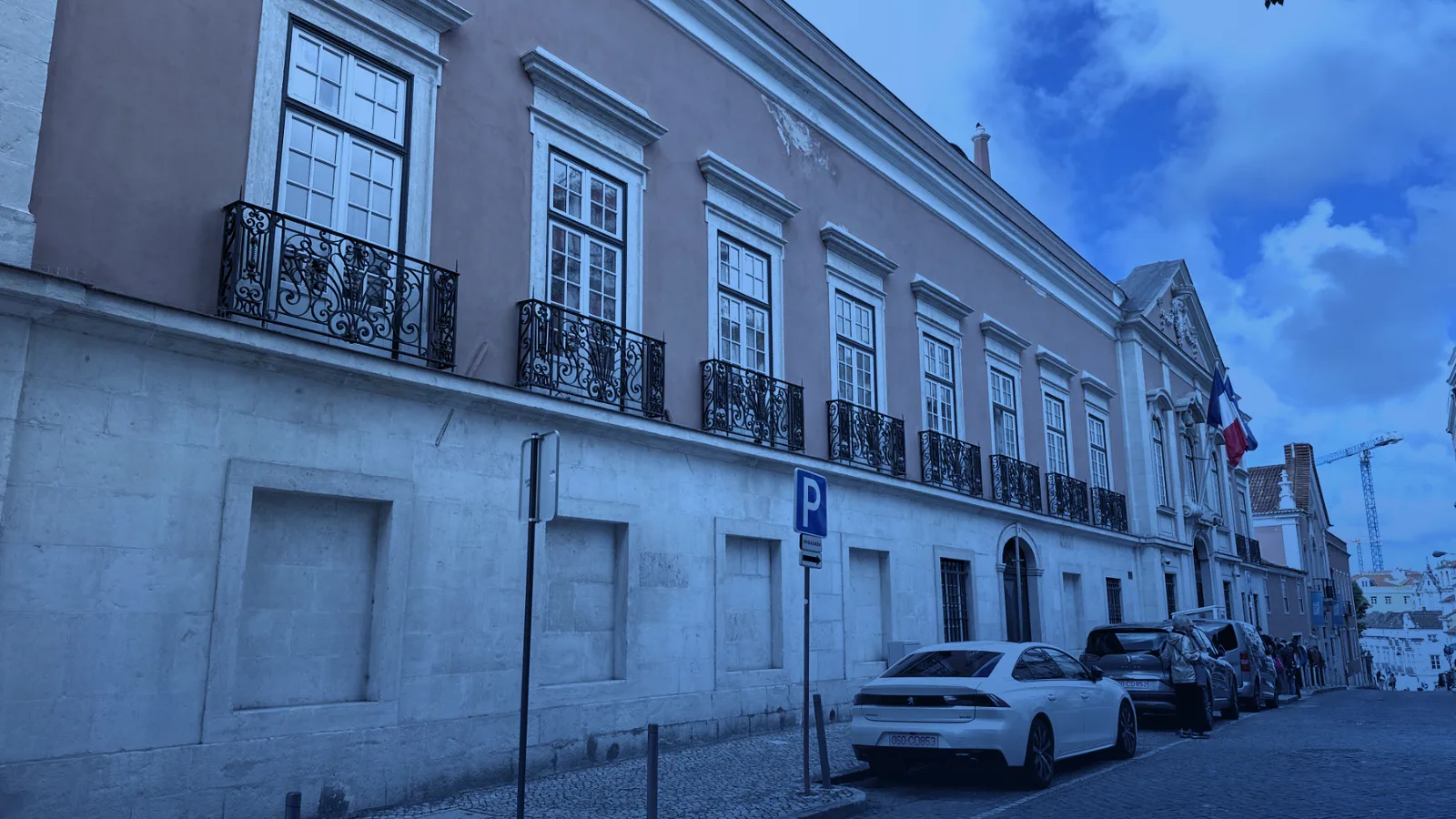
The protocol a diplomatic site usually applies has five pieces: written authorization from the person the mission designates, a list of the vendor’s staff by name sent in advance, a clear division between the consular section and the restricted areas, rules on what is photographed and who keeps the material, and a final report in the mission’s language and in Spanish. The vendor adapts to the protocol, not the other way round.
Prior authorization and staff list
Every diplomatic site has someone in charge of facilities or security who decides on contractor entry. That is the starting point: the vendor does not deal with reception or consular staff, but with whoever the mission designates. Authorization is issued in writing, with dates, areas and conditions, and is valid only for what it states.
The staff list goes with the request. The mission may ask for ID documents, in some cases background checks, and may reject someone without giving a reason. The vendor should send the list with the exact names as they appear on the documents and always propose a substitute, because once approved the list is not changed at the door.
- Written request with scope, proposed dates and the name of the vendor’s lead.
- List by name with ID document, sent as far in advance as the mission sets.
- Description of the equipment that will enter, including the inspection camera.
- Written acceptance of the mission’s conditions on photographs and confidentiality.
- Name of the mission staff member who will accompany the team in each area.
Consular areas versus restricted areas
A diplomatic site has at least two worlds. The consular section receives the public: waiting room, counters, processing offices. The chancery areas and residences are restricted, and in many missions no local vendor enters them, or enters only the machine rooms. The protocol defines which world each duct section belongs to, and the scope of the work is limited to what the mission allows.
When the system allows it, the review of embassies and consulates is done by camera through the existing access points, the way the Climatiza technical service performs it.
| Area | Usual access for a local vendor | What is checked |
|---|---|---|
| Consular section and waiting room | With an escort, outside service hours | Returns, diffusers, filter and section of the consular unit |
| Mission administrative offices | As the mission decides, sometimes only with a security escort | What the mission points out, nothing more |
| Chancery and communications areas | Normally no access | Noted as out of scope, with no estimate of its condition |
| Machine rooms and roof | With a maintenance escort | Units, pans, filters and the start of each duct |
Whatever is out of scope is written in the report as out of scope, with no opinion on its condition. A system that shares a unit between the consular section and a restricted area is handled from the consular side and from the machine room, and the camera inspection stops where the mission says.
What the vendor may photograph
Images are the most sensitive point of the protocol. The practical rule missions tend to accept is that the camera records only the inside of the duct, the grille and the unit, and that no image shows offices, documents, screens, security doors or people. The mission also decides whether the material is handed over in full, wiped at the end or whether the vendor may keep a copy with no location references.
This should be agreed before the first visit and repeated in the report. A vendor who arrives with a camera and asks in the corridor what may be recorded has already started badly. The way a diplomatic mission decides who enters and which areas are left out extends to the images: they are part of what the mission controls.
Public service hours
The consular section works fixed hours, often mornings only, by appointment. That is the only part of the site where duct work competes with the public, and the solution is simple: work in the afternoon or on days without appointments, with the waiting room empty. The administrative areas keep their own hours, and the mission may prefer weekends or its own national holidays, when the site is almost empty.
- Ask for the consular calendar. Days with appointments and days without, opening and closing hours of the counters.
- Propose short sessions. One session per area, starting after closing to the public and finishing before the next day’s opening.
- Respect the mission’s holidays. They are days without public but also without staff to escort. Whether an escort is available is confirmed before proposing them.
Report in two languages for the site
The report travels: the local manager reads it, it is forwarded to the foreign ministry back home and sometimes to whoever approves the budget from abroad. That is why it is delivered in the mission’s language and in Spanish, with the same structure in both: areas reviewed, areas out of scope, condition per section, recommendation and suggested date of the next review. Technical references, such as ASHRAE Standard 180 for inspection and maintenance of commercial systems or the NADCA ACR standard, are cited by name because they are known outside Panama.
The EPA air quality guide for building managers recommends keeping a record of the air system’s maintenance, and at a diplomatic site that record usually passes from one manager to the next with each rotation. A clear report, in two languages and without context images, is the one that survives that rotation. The outline of a public building that organizes inspection by floors and permits serves as a template, and the criteria for deciding whether a section is cleaned or monitored provide the vocabulary for the recommendation.
The next step after this guide is usually a visit to check the system, which is arranged with the team at Climatiza using the details in their duct cleaning page.
Sources
On this site
- Embassies and consulatesHow the work is organized in this sector
- Public buildings and ministriesA neighboring sector
- Camera inspectionThe real condition before deciding
Climatiza and Radar Panamá
Frequently asked questions
Can the mission require the vendor to keep no images at all?
Yes, and it is common. The vendor hands over the full material or wipes it in the manager’s presence, and keeps only a written record of the visit. That condition is accepted before starting and noted in the report.
What if a duct crosses from the consular section into a restricted area?
It is inspected from the consular side as far as the mission authorizes and the point where the camera stopped is noted. The rest stays out of scope. If the mission wants it checked, it does so with its own staff or with the escort it decides.
Who accompanies the vendor inside the site?
The person the mission designates, usually from maintenance or security. No work happens without that person present, and if they step away the team waits. Their name appears in the written authorization.
In what language is the report delivered?
In the mission’s official language and in Spanish, with the same structure. If the mission uses a third working language, it is agreed beforehand. Photos carry labels in both languages and area codes, not office names.
Keep reading

Request an inspection
Do you want to know the condition of your system?
A camera inspection lets you see the inside of the ducts before deciding what to do. Message us and we will confirm availability.
- +507 6388-2083
- info@climatizapanama.com
- Calle Gervasio García, 8, Panama City