
Pedregal
Pedregal: shop on the avenue, how much traffic dust enters the ducts
A shop with its door open onto a Pedregal avenue breathes the street. Here is how much of that dust reaches the ducts and how to reduce it without closing the business.
 By Limpieza de Ductos Panamá
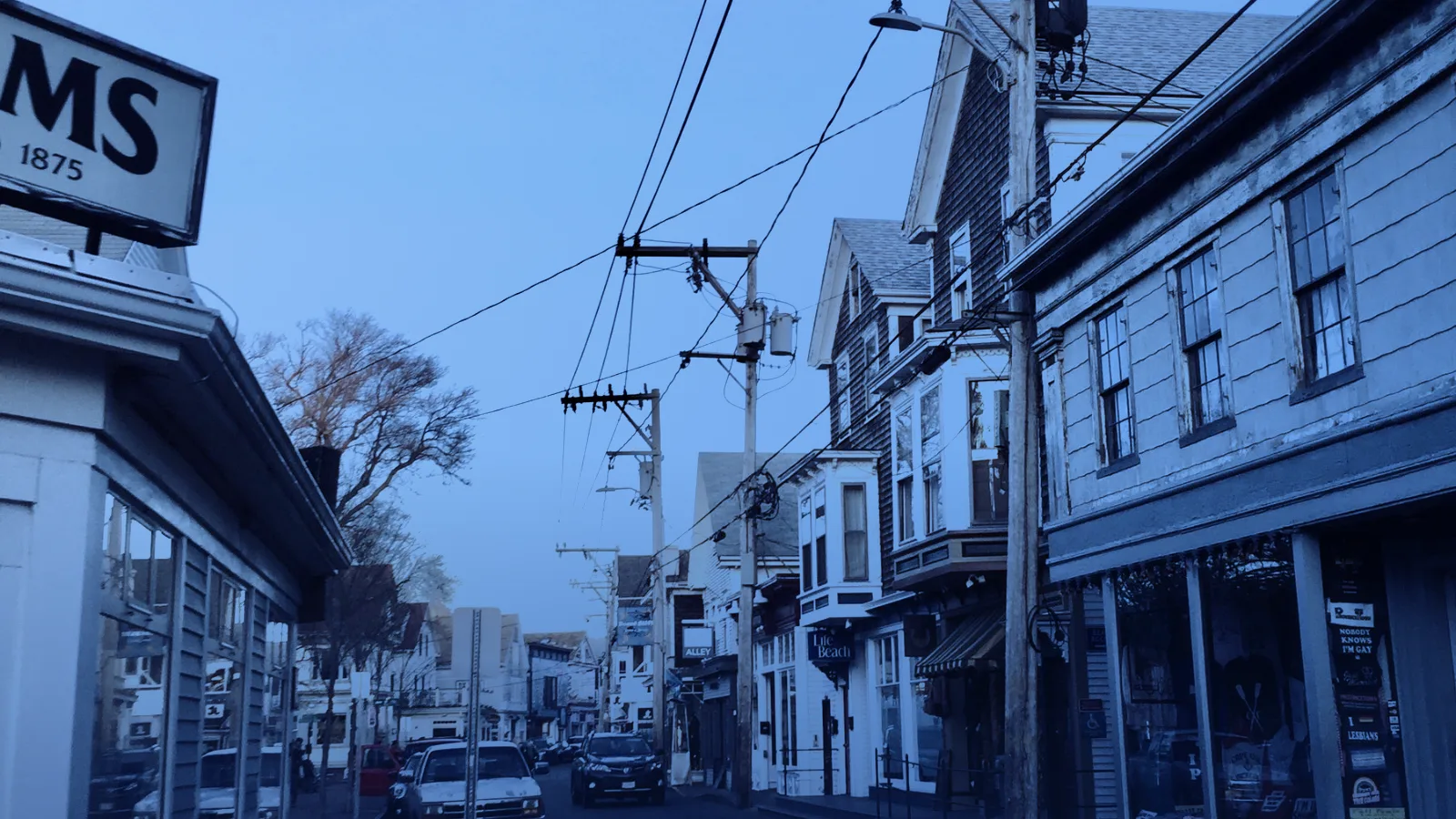
Quite a lot comes in, but not all of it reaches the duct. Traffic dust crosses the open door, the return pulls it in and the filter holds most of it. What gets into the duct depends on three things: how long the door stays open, how well the filter fits and where the return grille sits. In a Pedregal avenue shop those three are checked first, and the camera confirms how much built up.
Traffic and an open door: why dust gets into the shop
Pedregal is crossed by a few main roads, such as vía Domingo Díaz and vía José Agustín Arango, and the shops facing those avenues get buses, trucks and motorcycles all day long. Each vehicle lifts dust off the pavement and leaves combustion soot, and with the door open that air walks in without passing through any filter.
Inside, the unit draws air through the return grille and sends it back through the diffusers. If the return is close to the door, it pulls in street air directly. The filter catches the coarse dust, but the fine soot particles and any dust that slips past the edges of a poorly fitted filter end up inside the duct.
Soot on grilles and filters: how to tell it apart
Street dust and soot look different, and that difference tells where the problem comes from. Pavement dust is light gray, dry and wipes off with a cloth. Traffic soot is black, fine and leaves a greasy film that stains the cloth and clings to the fins of the grilles.
When the system allows it, the review of Pedregal is done by camera through the existing access points, the way the Climatiza technical service performs it.
- Supply grilles with a black fan-shaped edge, a sign of fine particles that got past the filter.
- A filter that darkens in two or three weeks, when it used to last more than a month.
- Visible dust on the display cases a few hours after wiping them.
- A dark halo on the ceiling around each diffuser.
- A smell of vehicle exhaust that is stronger when the unit starts up.
What to check in a Pedregal avenue shop
Before thinking about cleaning the duct it pays to walk the path of the air, because the cause is fixed before the effect and the EPA recommends finding the source of the dust before working on the system. In a small shop that walk fits into a short visit.
- Filter fit. Check that the filter fills the whole frame with no gaps at the edges. A one centimeter gap lets unfiltered air into the duct.
- Return position. If the return grille faces the door, it pulls in street air. Sometimes redirecting the flow or adding an air curtain is enough to cut the intake.
- Hours with the door open. Note how many hours a day the door is open and whether they match the peak traffic hours. That count guides how often the filter is changed.
- Inside the duct with a camera. A camera check of the supply run shows whether dust got past the filter and how much settled on the bottom of the duct.
Frequency according to local traffic
There is no single frequency. In a district of 28.5 km² with busy avenues and quiet neighborhood streets, two shops ten minutes apart may need different routines. The table gives guidance based on what the owner already knows about the shop.
| Shop situation | Reasonable routine |
|---|---|
| Door closed, return far from the entrance, side street | Filter every one or two months, camera only if signs appear. |
| Door open half the day, avenue with buses | Monthly filter, grilles checked weekly, camera once a year. |
| Door open all day, return next to the entrance, heavy traffic | Filter every two or three weeks, camera after a few months to decide whether cleaning is needed. |
| Roadworks on the avenue or in front of the shop | Filter change when the works end and a duct check before the sales season. |
A routine for the shop owner
The routine does not replace an inspection, but it keeps dust from reaching the duct in the first place. Holding the filter up to the light every week, wiping the grilles with a damp cloth and writing down the date of each change takes a few minutes and leaves a record that helps when deciding how much attention the system needs.
When the camera shows dust settled on the bottom of the duct or particles coming out of the diffusers, cleaning makes sense. If the inside is clean and the problem is the filter or the door, that gets fixed and the cleaning is avoided. The shops facing the avenues of Pedregal and its different businesses follow the same principle as any store with a sales floor or a neighborhood hardware store: the path of the air first, the duct second.
To ask about availability or request a camera inspection, the Climatiza website lists the ways to contact the team and the duct cleaning service page explains how the work is organized.
Sources
On this site
- Stores and supermarketsHow the work is organized in this sector
- PedregalThe area and its building types
- Camera inspectionThe real condition before deciding
Climatiza and Radar Panamá
Frequently asked questions
Does traffic soot damage the air conditioning unit?
It can load the filter and foul the coil faster than usual, which forces more frequent servicing. The damage is not immediate, but a coil covered in greasy film works worse. That is why in avenue shops the filter is checked more often than in an interior unit.
Is it worth keeping the shop door closed all day?
It is the most effective measure, but not always realistic for a business that lives off foot traffic. One alternative is to close during the heavy traffic hours and keep the filter current. An air curtain helps, though it does not replace the filter.
How often is the duct of an avenue shop cleaned?
There is no fixed interval. It is cleaned when the camera shows dust built up inside or particles coming out of the diffusers. A shop with a well fitted filter and a change routine can go years without needing it, even facing traffic.
Is street dust worse in the dry season?
Yes. From January to March relative humidity drops to between 64.9 and 69.6% according to the ETESA series for Panama, the pavement dries out and the wind lifts more dust. In the rains dust goes down but humidity inside the duct goes up, so each season calls for attention to something different.
Keep reading
Request an inspection
Do you want to know the condition of your system?
A camera inspection lets you see the inside of the ducts before deciding what to do. Message us and we will confirm availability.
- +507 6388-2083
- info@climatizapanama.com
- Calle Gervasio García, 8, Panama City