
Ancón
Ancón: historic building with ducts added later, what to check
Many Ancón headquarters were built with no thought of air conditioning, and the ducts arrived decades later. Here is what to check in those added runs and what to ask for in the inspection.
 By Limpieza de Ductos Panamá
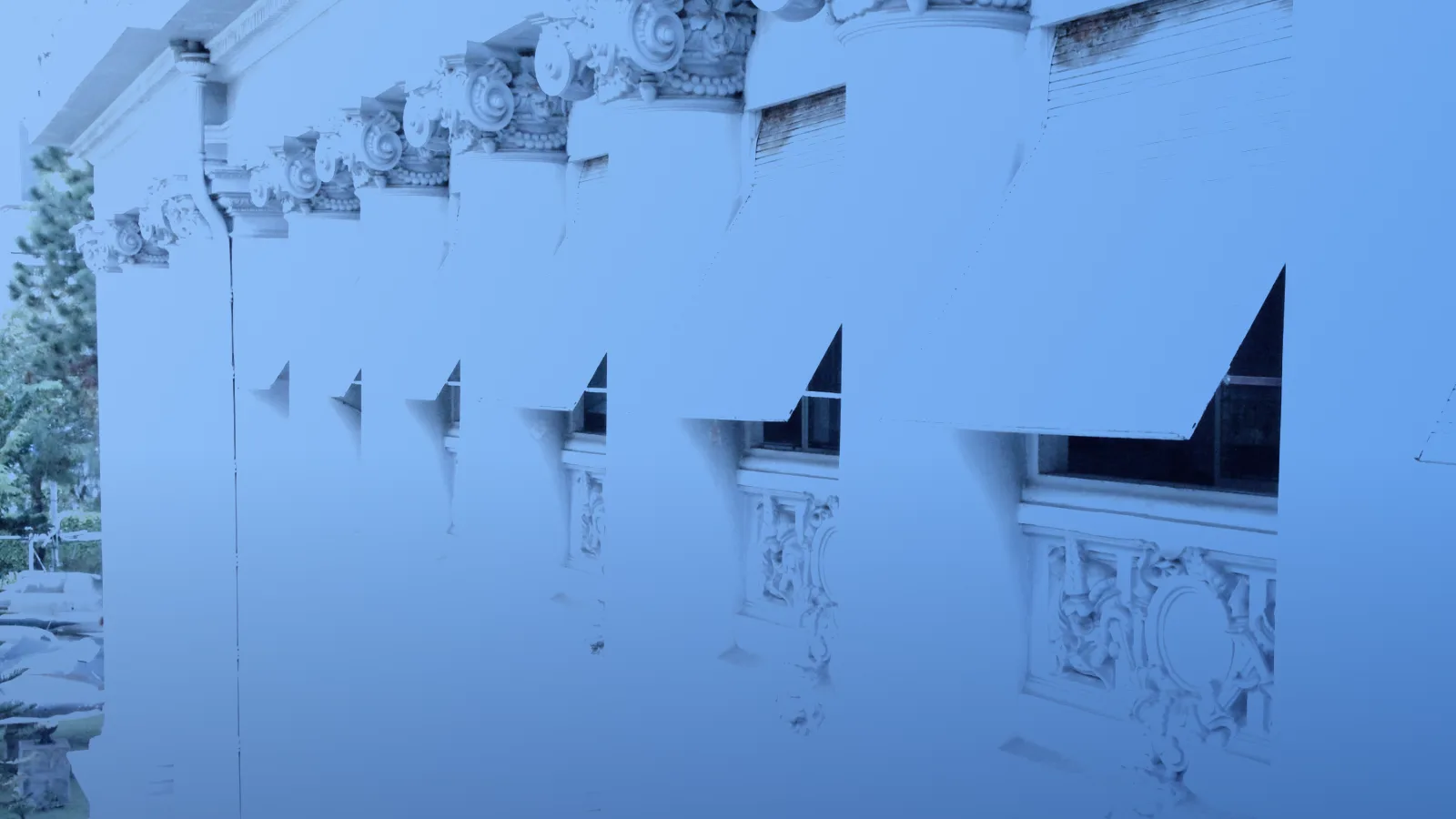
The route gets checked first, not the dust. In a historic Ancón building the ducts were mounted on a structure that never planned for them, so what usually fails is the support, the joints, the insulation and the improvised runs inside false ceilings, more than the dirt. The camera inspection locates those runs, shows their condition and makes it possible to decide what is cleaned, what is repaired and what is simply documented.
Ducts on structures that never planned for them
The Canal Administration Building opened in 1914 and the former Gorgas Hospital was rebuilt in concrete in 1915. Today they house offices of the Canal Authority, the Ministry of Health, the Oncology Institute and the Supreme Court, and in all of them air conditioning was installed long after construction.
When a duct is added to a building like that, it looks for a path between beams, thick walls and high ceilings. The result is long runs with tight bends, flexible duct where sheet metal did not fit, hangers tied to elements never designed for that load, and joints sealed with tape that Panama’s humidity peels off over the years.
Hidden runs inside false ceilings
In almost all of these headquarters a false ceiling was hung below the original one to hide the ducts. That cavity collects plaster dust, wood dust and decades of small works. If the air return uses the cavity as a plenum instead of a closed duct, all that dust enters the system every time the unit starts.
Behind this guide is Climatiza, an inspection and duct cleaning service, which always starts from the real condition of the system before proposing any work in Ancón.
The ceiling cavity is also hot and humid, with the 75.7% average annual humidity that ETESA records for the district. A cold duct with no insulation, or with the insulation fallen off, sweats inside that cavity and drips onto the tiles, which stain and sag long before anyone suspects the duct.
Signs that give away a problem in an added run
- Ceiling tiles stained or sagging always in the same spot, with no roof leak to explain it.
- Adjoining offices at very different temperatures served by the same unit.
- Sheet metal rattling or banging when the unit starts, a sign of loose hangers.
- Plaster dust or fibers on the diffusers, which is not office dust.
- Access panels that do not exist or were covered over by the last remodel.
What to ask for in the camera inspection
In a building with undocumented runs, the camera is used first to draw the real layout and only then to look at the dirt. It helps to ask for the inspection to be organized by run rather than by office, because one branch can cross several departments of a public headquarters, and an agency coordinates access by area.
- Full route. Where each branch starts, where it passes and where it ends, with a photo at every change of direction or material.
- Condition of joints and hangers. Open joints, peeled tape and flexible sections crushed or sagging, marked on the layout.
- Insulation and condensation. Sections with no insulation or wet insulation, and the ceiling areas where dripping shows.
- Actual dirt. Photos of the duct floor in each run, to separate what needs cleaning from what only needs repair.
Report for the building’s administration
The administrative office of an agency in Ancón needs a document it can hand to maintenance and to whoever manages the budget. That is why the report separates three columns: what gets cleaned, what gets repaired and what is documented for future works. The technical guide explains what the camera looks at in each run and why a section with a torn liner is replaced rather than cleaned.
| Typical run in an old building | What goes in the report |
|---|---|
| Main sheet metal branch with access | Photos of the inside, dust judged by eye per section, and a decision to clean or monitor. |
| Flexible section added in a remodel | Liner condition, crushed spots and whether it should be replaced with sheet metal. |
| Return through the ceiling cavity | What enters that way, photos of the cavity and a recommendation to close it with ducting. |
| Area with no access or a conservation restriction | Marked as not inspected, with the reason, so its condition is not assumed. |
With that report the agency can decide in stages and on its own calendar. The institutional headquarters of Ancón share this challenge with offices in buildings from other eras across the city, and in every case the rule is the same: first know where the air travels, then decide what to do with what the camera shows.
The next step after this guide is usually a visit to check the system, which is arranged with the team at Climatiza using the details in their duct cleaning page.
Sources
On this site
- Public buildings and ministriesHow the work is organized in this sector
- AncónThe area and its building types
- Camera inspectionThe real condition before deciding
Climatiza and Radar Panamá
Frequently asked questions
Can new access panels be opened in a historic Ancón building?
It depends on the agency and on whether the property has conservation restrictions. Existing access panels and grilles are used first. If a new one is needed, the exact spot is proposed in the report and the administration decides, with maintenance, whether to authorize it and how to restore it.
Why is flexible duct a problem in these buildings?
Because it usually goes where sheet metal did not fit, with tight bends and long runs that get crushed or sag. Its inside is rough and holds dust, and the liner tears over the years. The camera shows whether to clean it or replace the section with rigid duct.
Does cleaning the duct fix the humidity in the ceiling cavity?
No. The dripping comes from missing or wet insulation, not from dirt inside. Cleaning without restoring the insulation leaves the same problem. That is why the report separates what gets cleaned from what gets repaired, and condensation always goes in the second column.
How much of the building has to be checked if only my office matters?
At least the branch that serves that office, from the unit to the diffuser. In a shared headquarters that branch crosses other departments, so the building’s administration coordinates access. Looking at a single grille says nothing about the run behind it.
Keep reading

Request an inspection
Do you want to know the condition of your system?
A camera inspection lets you see the inside of the ducts before deciding what to do. Message us and we will confirm availability.
- +507 6388-2083
- info@climatizapanama.com
- Calle Gervasio García, 8, Panama City