
Appliance stores
Appliance store: ducts between showroom and stockroom
Every box opened in the stockroom sheds cardboard fiber and foam beads, and every television running in the showroom attracts that dust. The duct connects both.
 By Limpieza de Ductos Panamá
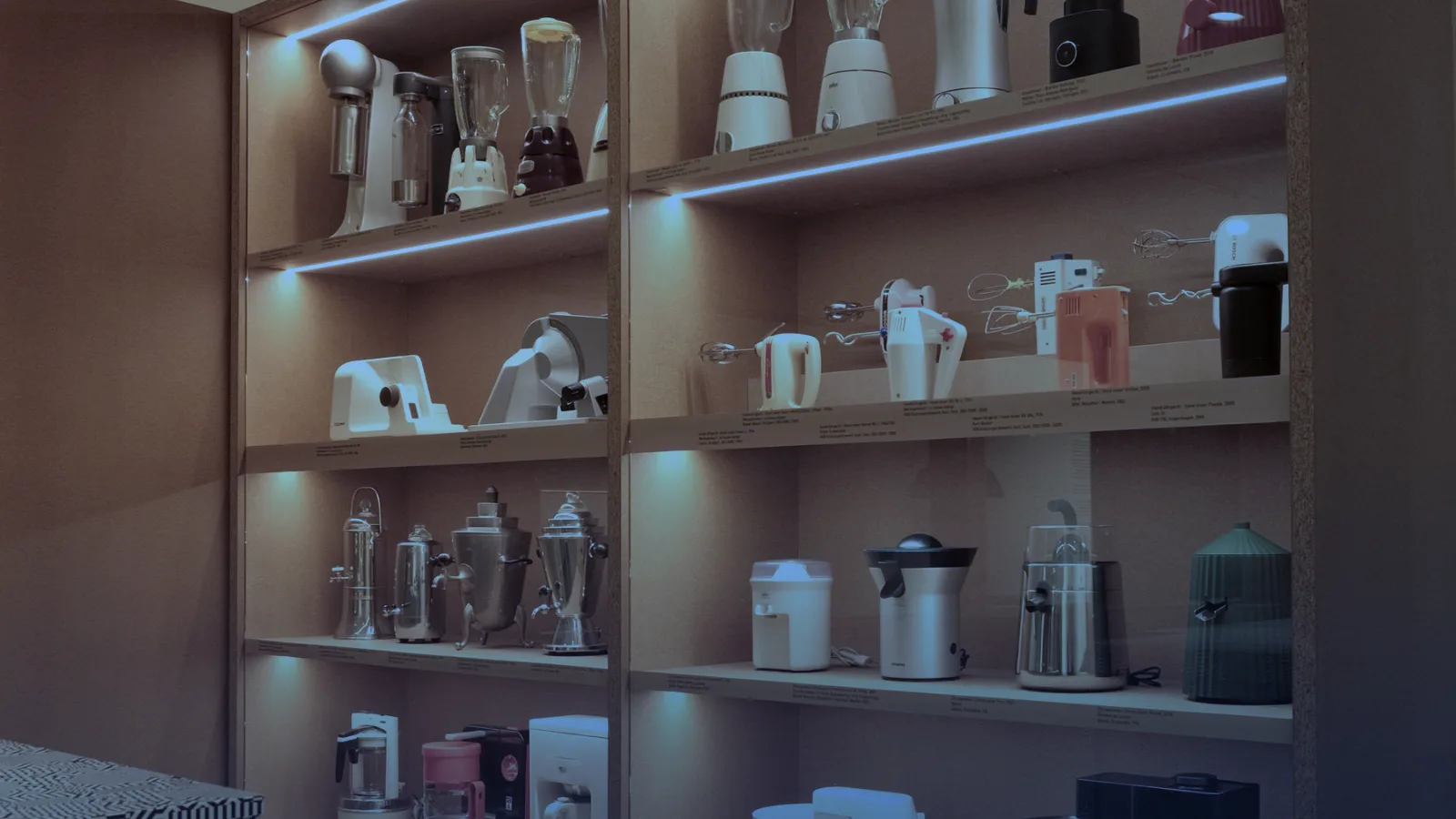
The ducts of an appliance store are cared for by treating the stockroom as the source and the showroom as the destination. Cardboard and foam dust enters through the return closest to the unboxing area, travels through the duct and settles on powered-on displays that generate heat and static. That return is checked first, unboxing is kept away from the grilles and the review follows the delivery rhythm.
Cardboard and foam: the dust nobody sees
Corrugated cardboard sheds short fiber every time it is cut or torn, and expanded polystyrene breaks into beads and fine dust when an appliance leaves its box. Neither load weighs much, which is why both stay airborne long enough for an air return to draw them in. In a stockroom where several units are unboxed each day, the return closest to the unboxing table builds up a light gray layer the camera recognizes right away.
Unlike construction dust or street dust, this load is dry and fibrous. It snags on duct joints and grille fins, and when the air humidity rises in the rainy season (the annual average in Panama and San Miguelito is 75.7 percent according to ETESA), the fiber absorbs water and packs down. The EPA considers cleaning when ducts are clogged with dust or release particles through the registers, and that is exactly the picture an uncontrolled appliance stockroom produces.
Powered-on displays and the extra heat
A wall of televisions, refrigerators left open to show the interior and washing machines on demonstration add heat the system has to remove. That extends the air handler run time and increases the volume of air passing through the filters each day. Screens also build static on their surface and attract the fine dust the duct brings from the stockroom. The result shows as a dull film on the panels that comes back a few days after they are wiped.
The fieldwork is carried out by the Climatiza team, who check branches, grilles and air handlers and record the result in an illustrated report, also in the case of appliance stores.
Where to check first: stockroom or showroom
| Point | What is looked for | Order |
|---|---|---|
| Stockroom return | Gray fiber on the grille and the first meters of duct | First |
| Air handler filter | Uneven loading, seals with air bypass, date of the last change | Second |
| Diffusers above the screen wall | Dark edge and dust that drops when the system starts | Third |
| Grilles over the checkout and credit desks | Whether dust reaches the farthest point of the duct | Fourth |
The monthly ASHRAE indoor air quality checklist calls for reading the pressure drop gauge of each filter and checking that no air bypasses the edges. In an appliance store that reading says more than any other: if the filter loads in weeks, the stockroom is feeding in more than the system can hold back. The camera at the stockroom return confirms how much of that load has already moved into the duct.
How to coordinate with deliveries and inventory
- Schedule the review the week after a large delivery, when the stockroom has unboxed what goes on display and the load at the return is the highest of the cycle.
- Match the visit with the inventory count: the showroom is closed or nearly empty and the stockroom is already arranged by aisle.
- Move the unboxing table away from any return grille, or at least to a spot the air stream does not cross head on.
- Turn off the screen wall during showroom work and cover open appliances with plastic so dislodged dust does not land on them.
- Tell the carrier not to unbox at the ramp while the system is open.
- Note the date, the stretches reviewed and those left for the next delivery in the store calendar.
A store that receives a container every month runs on a different rhythm from one that receives a truck every week. How the work is divided by zones of a store allows the review to be split into two short visits instead of one long one, and estimating the level of attention from real use avoids cleaning by calendar when the camera does not justify it. If the stockroom is large and has its own office, the logic of an office inside a storage building applies here too.
What to ask for in the photo report
The report should show the stockroom return before and after, with the same shot and the same light, and a photo of the removed filter next to a new one. It should state which stretches were run with the camera and which had no access, for instance those passing above the tall shelving. And it should close with a concrete recommendation on where to unbox, because without that change the next review will find the same thing. Dates and the guidelines on when to review again are noted in the same document so the manager carries them to the next delivery.
More about the inspection and cleaning service that applies these criteria is on the Climatiza duct cleaning page and on the Climatiza home page.
Sources
On this site
- Stores and supermarketsHow the work is organized in this sector
- Warehouses and storageA neighboring sector
- Camera inspectionThe real condition before deciding
Climatiza and Radar Panamá
Frequently asked questions
Do the ducts need cleaning every time a container arrives?
No. What is worth checking at each delivery is the filter and the stockroom return. Duct cleaning is decided when the camera shows fiber built up on the walls or when the showroom diffusers release dust at start-up, not by the delivery calendar.
Can foam beads clog a duct?
On their own, no. The problem appears when they mix with cardboard fiber and humidity: they form a spongy layer that sticks to joints and grille fins. In the rainy season that layer packs down and reduces airflow at the return.
Does a powered-on screen wall dirty the ducts more?
It does not dirty the duct, but it attracts the dust the duct brings. Screens build static and hold fine particles on their surface, so they are the first place the manager notices something arriving from the stockroom.
What if the stockroom has no air conditioning but the showroom does?
Then the path is the door between them. Every time it opens, stockroom air enters the showroom and reaches the returns. A plastic curtain or a self-closing door helps, and the showroom return closest to that door is the one to check.
Keep reading

Request an inspection
Do you want to know the condition of your system?
A camera inspection lets you see the inside of the ducts before deciding what to do. Message us and we will confirm availability.
- +507 6388-2083
- info@climatizapanama.com
- Calle Gervasio García, 8, Panama City