
Free trade zones
Free zone: office and warehouse ducts under the same roof
In a free zone warehouse the office usually hangs on a mezzanine, with glass facing the loading floor and the air conditioning as the only boundary with the rest of the building.
 By Limpieza de Ductos Panamá
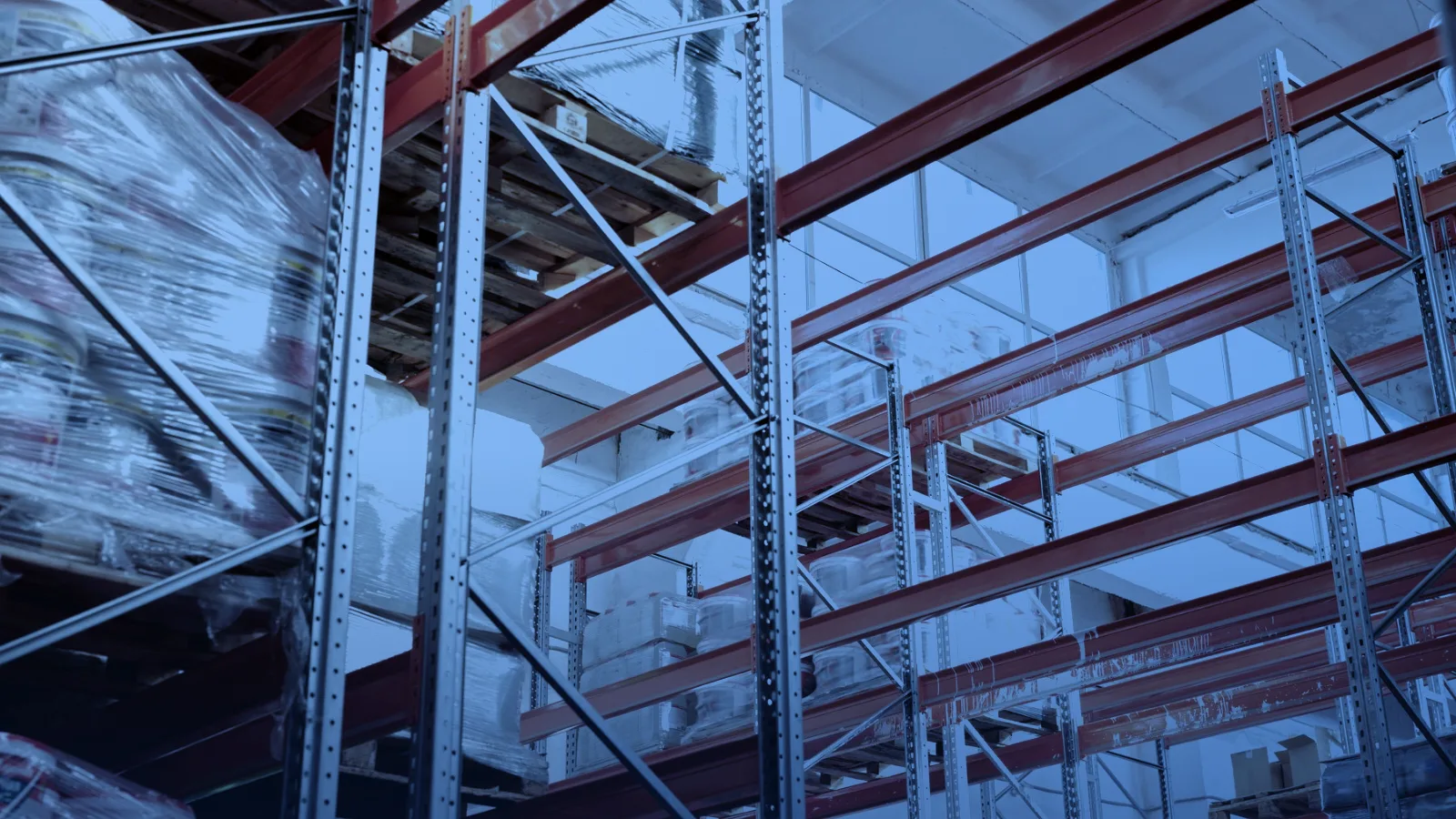
When the air conditioned office sits inside the warehouse, the first thing to check is where the system takes its air from: if the return or the outdoor air intake sit in the warehouse volume, the office breathes forklift and packaging dust. Then the office return grilles, the air handler intake and the mezzanine joints are checked, and a frequency is set according to the cargo movement.
Mezzanine office: air that comes from the warehouse floor
A mezzanine is a box set inside a much larger box. The office air handler is usually installed above the ceiling or on a ledge beside the floor, and in many warehouses its intake does not reach outdoors: it draws from the warehouse volume, which is hot, unfiltered air loaded with whatever the forklifts stir up. The upper part of a warehouse is also the warmest layer, because air stratifies, and that is exactly where the mezzanine sits.
OSHA explains that a building with its air system out of tune ends up under negative pressure and draws in particles, vehicle exhaust and humid air from outside. For a mezzanine office, the outside is the warehouse floor. Every time the stair door opens or the filters clog, air from the loading floor rises and comes in. The 75.7 percent average humidity ETESA records for the district arrives by that path as well, because the warehouse has no humidity control and the office does.
Forklift and packaging dust
| Source on the floor | What it leaves in the duct |
|---|---|
| Combustion forklifts | Fine soot and exhaust gases that enter through the air handler intake |
| Tires on polished concrete | Very fine gray rubber and cement dust that passes through worn filters |
| Stretch film and strapping | Threads and flakes that catch on return fins |
| Wooden pallets | Splinters and sawdust that build up in duct elbows |
| Repacking cardboard | Light fiber that forms a mat on the filter within weeks |
The OSHA carbon monoxide fact sheet calls for avoiding combustion engines in enclosed spaces and keeping ventilation that removes the gas. For the mezzanine office the reading is direct: if the forklifts run on gas or diesel and the air handler intake sits in the warehouse, the duct spreads those gases across the desks. With electric forklifts the load drops to rubber and packaging dust, which is dirty but not toxic.
Climatiza is the technical service behind this guide and works with camera inspection, an illustrated report and cleaning only when the condition justifies it, including in the case of free trade zones.
Where to focus the inspection: returns and grilles
- Air handler intake: if it sits inside the warehouse, it is photographed and noted as the first cause to correct.
- Return grille next to the stair door: it receives warehouse air every time someone comes up.
- Joints between the mezzanine floor and the duct: in metal buildings there are often gaps where dust enters without passing the filter.
- First three meters of duct after the filter: dust there means the filter is letting it through or leaks around the frame.
- Diffusers above the meeting room with glass facing the floor: the glass concentrates heat and that diffuser works harder than the rest.
- Air handler condensate pan: with humid warehouse air it produces more water and overflows if the drain is blocked.
With those six points the camera covers the stretches that matter in a short visit. What sets a small office inside a large warehouse apart is that almost the whole problem sits at the air intake and the returns, not at the diffusers. If dust already shows in the sales office or at reception, how a conventional office is reviewed floor by floor is checked too, so the two diagnoses are not mixed.
Frequency for offices inside warehouses
The ASHRAE indoor air quality maintenance checklist calls for a walk-through every 30 days to read the filter pressure drop, check that no air bypasses the filter edges and look at coil and pan. In a warehouse with forklifts, that monthly walk-through decides everything else: if the filter reaches its limit within weeks, the intake is in the wrong place. The camera inside the duct is scheduled when the filter wears out ahead of time, when the warehouse operation changes (more shifts, a new client with powdery cargo) or when the returns show visible dust.
The EPA recommends, during construction inside an occupied building, blocking return registers so dust from the work zone does not recirculate. The same logic applies when the warehouse rearranges racking or takes on a new client: the mezzanine returns are covered while the movement lasts. The estimator of attention level by use helps translate the cargo rhythm of each warehouse into a review cadence.
What report the park administration asks for
A free zone administration does not review ducts, but it does register contractors, entry hours and work in leased buildings. The report that serves it carries the date and hours of the visit, the names of the people who entered, a simple floor plan of the office with each grille numbered, photos of the duct interior per grille and a final page with two columns: what depends on the tenant (filters, returns, stair door) and what depends on the building owner (intake location, sealing of mezzanine joints). That split keeps every recommendation from being left without an owner.
Scheduling a review starts with a message to Climatiza, and the service page summarizes the process.
Sources
On this site
- Warehouses and storageHow the work is organized in this sector
- Offices and corporate towersA neighboring sector
- Camera inspectionThe real condition before deciding
Climatiza and Radar Panamá
Frequently asked questions
How do I know whether my office intake sits inside the warehouse?
The duct is followed from the air handler back to its origin. If it ends at a grille above the ceiling or on a wall facing the floor, it draws warehouse air. If it crosses the roof or the facade and ends outside with a hood, it draws outdoor air. One photo of that point settles the question.
Does a better filter work instead of moving the intake?
It helps with dust, not with combustion forklift exhaust. A finer filter holds rubber and cardboard fiber but loads faster and raises the pressure drop. With electric forklifts it may be enough. With gas or diesel, the intake has to leave the warehouse.
How often should the camera run in a mezzanine office?
There is no fixed number. It is decided from the monthly filter walk-through: when filters wear out early, when the warehouse operation changes or when the return shows visible dust. In a quiet warehouse with electric forklifts the camera can wait far longer than in one with three shifts and powdery cargo.
Keep reading

Request an inspection
Do you want to know the condition of your system?
A camera inspection lets you see the inside of the ducts before deciding what to do. Message us and we will confirm availability.
- +507 6388-2083
- info@climatizapanama.com
- Calle Gervasio García, 8, Panama City