
Paitilla
Paitilla: school ducts and school break, when to work
The three public schools in Paitilla have full classrooms at fixed hours and equipment that rests during breaks. Here is which of those breaks works for what.
 By Limpieza de Ductos Panamá
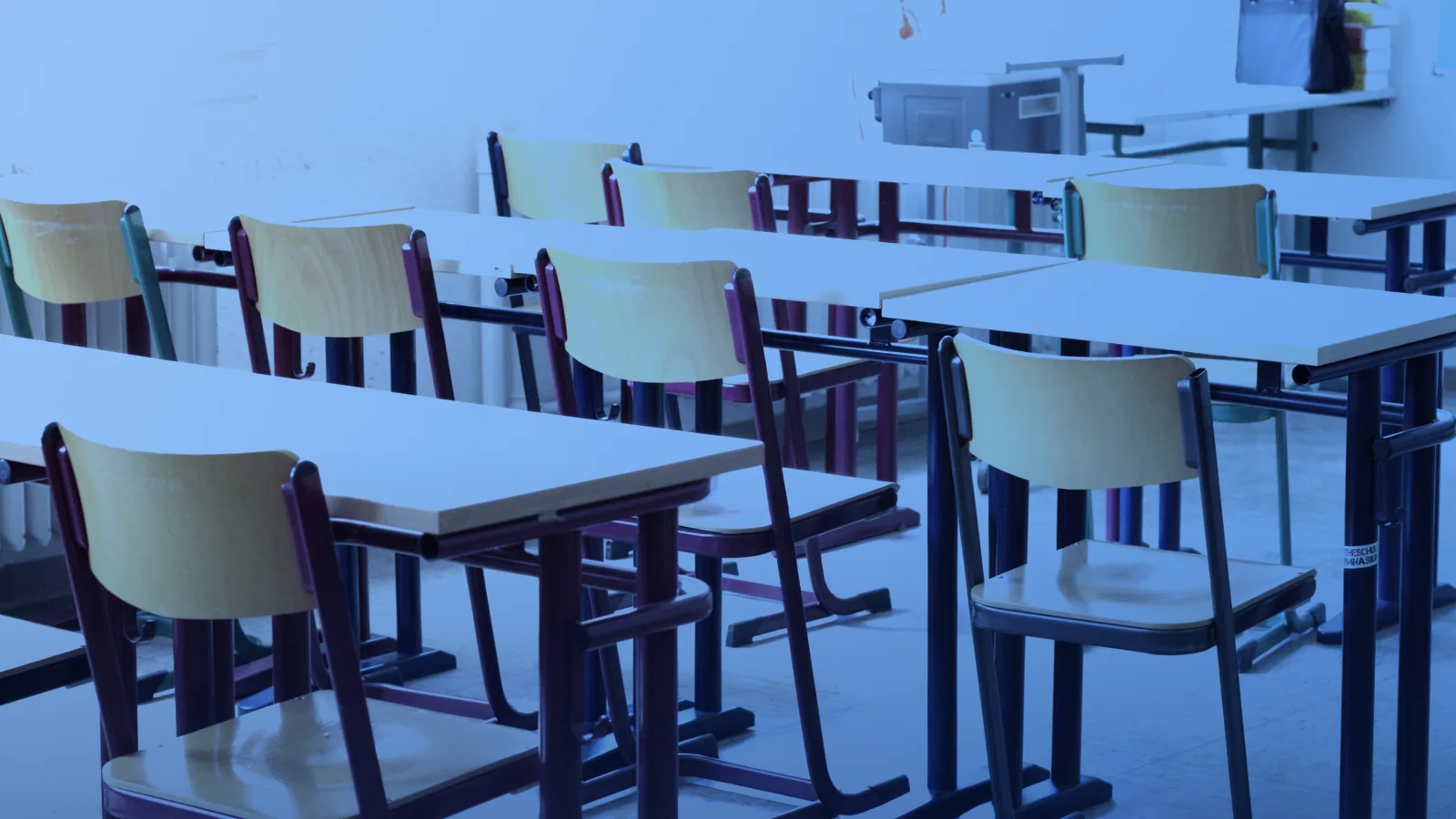
The long break from December to March is the best one for a Paitilla school: it falls in the dry season, lasts more than two months and allows cleaning and drying. The September break, from the 7th to the 11th according to the 2026 Meduca calendar, is enough for a camera inspection and filter changes, not for a full cleaning. The December assessment week and weekends cover spot checks of classrooms and the cafeteria.
Breaks in the official calendar
The 2026 Meduca calendar sets the second trimester from June 8 to September 4, an academic break from September 7 to 11, the third trimester from September 14 to December 11 and an assessment and graduation week from December 14 to 18. Then comes the long break until the next school year starts in early March. Each pause has a different length and that decides what fits into it.
| Break | 2026 dates | What fits in a Paitilla school |
|---|---|---|
| Mid-year break | September 7 to 11, five days in the middle of the rainy season | Camera inspection by block, filter changes and drain pan check. Not enough time to clean and dry. |
| Assessment week | December 14 to 18, with few students on site | Check of classrooms already empty and of the cafeteria, as a preview of the long break. |
| Long break | From December 19 to early March, in the dry season | Full cleaning of the runs the camera marked, insulation repair and drying before the return. |
| Weekends during the year | Saturdays, with the principal’s authorization | One classroom block or the laboratory, without touching the rest of the school. |
Classrooms, cafeteria and laboratory
Not every area of a school loads the ducts the same way. Classrooms concentrate thirty people for hours and their returns gather lint from uniforms, chalk or marker dust and playground dust. The cafeteria adds steam and grease from the kitchen if the exhaust is not enough. The science laboratory may have its own hoods or exhaust fans that do not mix with the air conditioning, and that has to be confirmed before putting a camera in.
The EPA’s ventilation checklist for schools asks to confirm that ducts are clean, that drain pans slope toward the drain and that fans are switched off when filters are changed. Those three points are what gets checked first in each block, and the order of the blocks is set by the academic calendar, not by the technician.
Behind this guide is Climatiza, an inspection and duct cleaning service, which always starts from the real condition of the system before proposing any work in Paitilla.
Coordination with the principal and parents
A public school routes authorizations through its principal and the Meduca regional office, so the request is made in writing and weeks ahead. Parents do not authorize anything, but it helps for the principal to inform them, because they are the ones asking in March what was done during the break.
- Inspect in September. With the camera during the mid-year break, the list of runs needing cleaning and those only to be monitored is obtained.
- Request authorization in October. The principal files the request with the September report attached, so the regional office sees photos and not just a proposal.
- Work in January. With the school empty and humidity at its lowest point of the year, the marked runs are cleaned and whatever is needed is repaired.
- Verify in February. A second camera pass at the same points leaves the after photos, before the students come back.
What to check before classes resume
- New filters in every classroom unit, with the date written on the frame.
- Drain pans dry and with a clear drain, especially in the cafeteria.
- Diffusers and return grilles with no visible lint, classroom by classroom.
- Photos of the inside of the cleaned runs, filed together with the September ones.
- Units running a full day before the first day of classes, to catch smells in time.
Record for the regional office
The regional office needs one short document per school: which blocks were inspected, which runs were cleaned, what was left for the next break and the before and after photos. With that record the principal can spread the interventions over several breaks without reopening the discussion every year, and can estimate how much attention each block needs based on actual use.
The public schools of Paitilla and the way they schedule follow the same rule as public buildings with service hours: the work fits into the calendar’s pause, not the other way around. The camera during the short break decides what gets done in the long break, and the criteria for deciding whether cleaning is due are applied run by run, without assuming the whole school is the same.
To ask about availability or request a camera inspection, the Climatiza website lists the ways to contact the team and the duct cleaning service page explains how the work is organized.
Sources
On this site
- Universities and schoolsHow the work is organized in this sector
- PaitillaThe area and its building types
- Camera inspectionThe real condition before deciding
Climatiza and Radar Panamá
Frequently asked questions
Can a school’s ducts be cleaned during the September break?
Inspection and filter changes are possible, but a full cleaning in five days of rainy season is tight, because the duct must be dry before closing up. The sensible approach is to use September for the camera and leave cleaning for the long break from December to March.
Who authorizes the work in a Paitilla public school?
The school principal, who files the request with the Meduca regional office. That is why it is requested in writing and in advance, with the inspection report attached. A teacher or a parent cannot authorize entry or the work.
Why is the long break better than the mid-year one?
Because of time and weather. It lasts more than two months and falls between December and March, when relative humidity in Panama drops to between 64.9 and 69.6% according to ETESA. A duct cleaned in January dries well before the students return, which is not assured in September.
What is checked in the school laboratory?
First whether it has its own exhaust fans or hoods that do not mix with the air conditioning. If it does, they are checked separately and are not part of the duct cleaning. If the laboratory only has the shared air conditioning, it is treated as one more classroom, watching for reagent residue on the grilles.
Keep reading

Request an inspection
Do you want to know the condition of your system?
A camera inspection lets you see the inside of the ducts before deciding what to do. Message us and we will confirm availability.
- +507 6388-2083
- info@climatizapanama.com
- Calle Gervasio García, 8, Panama City