
Universities
University: large classroom ducts and how to use the semester calendar
When the regular semester ends the summer term begins, and when the summer term ends there are admission exams, extension courses and conferences. At a university silence lasts days, not months.
 By Limpieza de Ductos Panamá
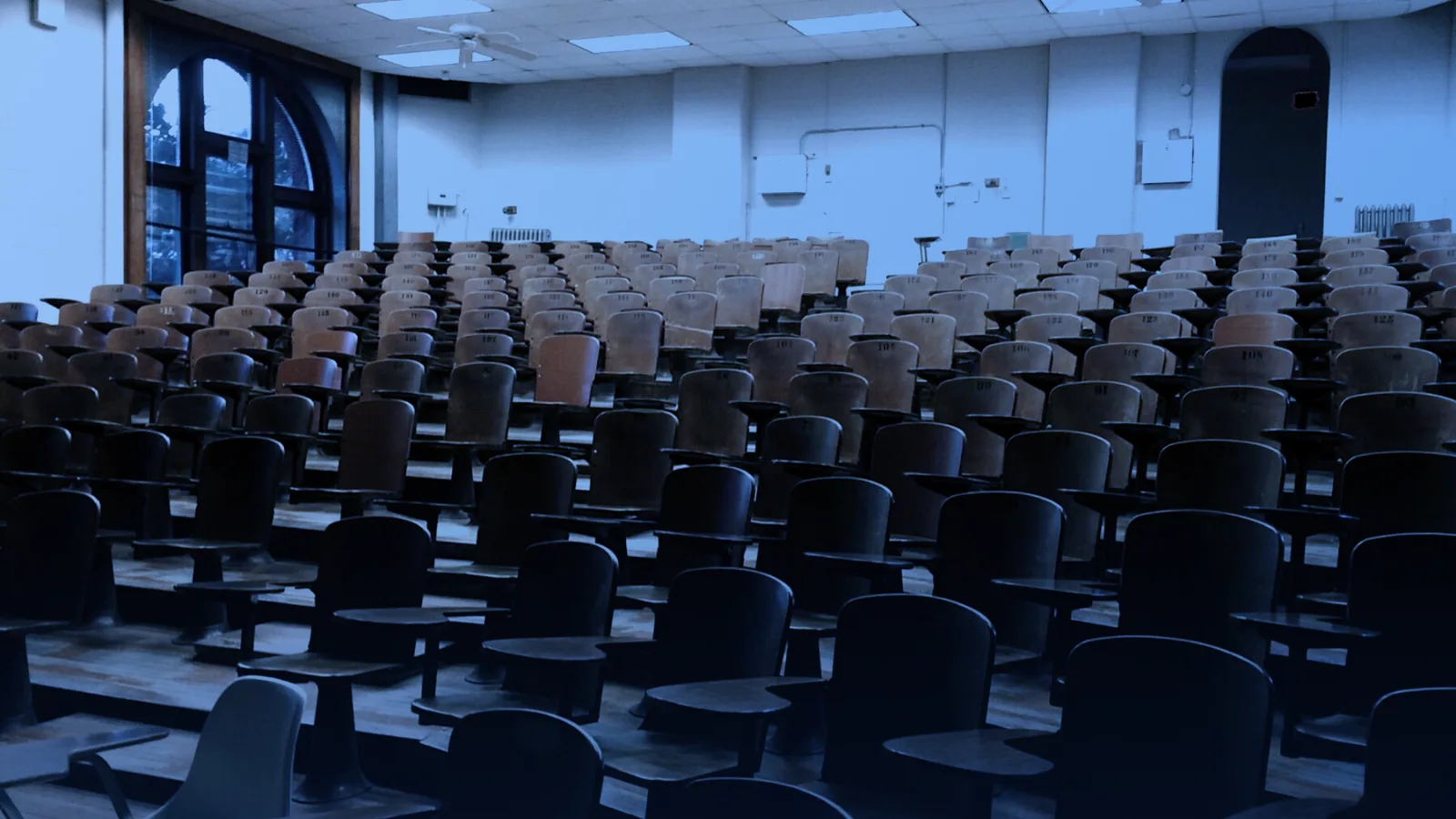
Classroom ducts are best cleaned in the breaks between semesters, but building by building rather than campus wide: each faculty has its own gap of two or three weeks on different dates. Lecture halls and labs with the most occupied hours get priority, a camera inspection during the semester identifies which sections need cleaning, and the work is carried out in that specific building’s break, coordinated with the infrastructure office.
The campus that never closes: how to find windows
According to the INEC 2024 education report, university enrollment in Panama is around 194,000 students, and the University of Panama alone accounts for close to 88,000. A campus of that size works like a small town: there is always a building in use. The right question is not when the campus is empty, but when each building is empty.
The real windows show up in three places. The break between the regular semester and the summer term, which falls on its own dates in each faculty. The week after final exams, when the lecture halls sit empty even though the offices stay open. And the nights and early mornings in buildings with no evening shift. With those three calendars crossed, the annual duct plan is built.
Lecture halls and labs: priority by occupancy
Not all classrooms load the system equally. A two hundred seat lecture hall receives four or five groups a day and its return works against a load of lint, skin dust and breath humidity that a twenty student room never sees. A study of 104 classrooms in California found equipment, fan control or filter maintenance problems in half of them, with heavily loaded filters associated with low ventilation. The lesson for a campus is that priority is decided by occupied hours, not by the age of the building.
Anyone who needs to see the real condition of the ducts in the case of universities can request a camera inspection from the team at Climatiza, a technical duct cleaning service in Panama, which documents every section with images.
| Space | Why it goes first or later |
|---|---|
| Lecture hall or teaching auditorium | Highest occupancy per hour and saturated returns. First on the list. |
| Computer lab | Heat generating equipment, continuous use, closed doors. Second. |
| Science lab with fume hood | Depends on whether the hood exhausts separately. Confirmed before scheduling. |
| Small graduate classrooms | Low occupancy and evening hours. Checked by sampling. |
| Library and study rooms | Open during breaks. Treated as a separate zone, at another time. |
Calendar by faculty and building
The most common mistake is asking the infrastructure office for a single date for the whole campus. It does not exist. What does exist is a date per building, and it is best built in two steps: the camera inspection is done during the semester, in each classroom’s free hours, and the cleaning is concentrated in that building’s break. That way the short break is used to execute, not to discover.
- List buildings with their own calendar. Regular semester, summer term, admission exams and events of each faculty, on a single sheet.
- Inspect during the semester. Camera in the lecture halls and labs during their free hours, to learn which sections need cleaning and which do not.
- Book the break per building. With the list of marked sections, each building’s cleaning fits within its two or three week break.
- Close with filters and start up. The EPA ventilation checklist for schools asks for clean ducts, pans sloped to the drain and fans off when filters are changed.
How to coordinate with the infrastructure office
At a public university the request goes through the infrastructure or maintenance office, and at a private one through the operations management. In both cases it is best to arrive with the map of units and the camera report, not with a generic proposal. The office needs to know how many units are touched, which classrooms go out of service and for how many days, and what happens if the break is shortened by a last minute event.
- Mechanical drawing or sketch of which unit serves each lecture hall.
- Access to machine rooms and roofs, with keys and a maintenance escort.
- Permission to work at night in buildings with no evening shift.
- Fallback plan if the break is cut short: which classroom is left for the next one.
- A single contact person per building during the break.
What report the campus administration asks for
A campus administration receives reports from many vendors and files them by building. The duct report should follow that same logic: one sheet per building with the classrooms checked, the camera photos before and after, the sections left pending and the suggested date for the next look. That format allows the work to be spread over several breaks without repeating the discussion every year.
The outcome resembles that of an educational center with full classrooms and holidays, with the difference that here the holidays are per building. When the campus has sites in state buildings, the access rules of a public office apply as well. To spread attention across buildings according to their use, the planner that estimates the level of attention by use and signs helps, and the criteria for deciding when cleaning is due are applied section by section, never to the whole campus at once.
Questions about a specific building can be sent to Climatiza, and the service description shows what a visit includes.
Sources
On this site
- Universities and schoolsHow the work is organized in this sector
- Public buildings and ministriesA neighboring sector
- Camera inspectionThe real condition before deciding
Climatiza and Radar Panamá
Frequently asked questions
Is the summer break or the year-end break better?
It depends on the building. The year-end break is usually longer and falls in the dry season, which helps sections dry. But if a faculty runs summer courses in that building, its real window is the gap between the summer term and the first semester.
Can a lecture hall be cleaned in a single night?
A section marked by the camera, yes. The complete system of a two hundred seat hall, with its branches and returns, usually needs more than one shift, which is why it is inspected first and only what was flagged gets cleaned.
What about labs with fume hoods?
It is first confirmed whether the hood exhausts through its own duct to the outside. If so, it does not mix with the air conditioning and the check is limited to the lab’s diffusers and returns. The hood is handled by its own vendor.
Who signs the authorization at a public university?
The infrastructure or maintenance office, with the approval of the dean’s office of the affected building. It is best requested with the camera report attached and weeks ahead of the break.
Keep reading
Request an inspection
Do you want to know the condition of your system?
A camera inspection lets you see the inside of the ducts before deciding what to do. Message us and we will confirm availability.
- +507 6388-2083
- info@climatizapanama.com
- Calle Gervasio García, 8, Panama City