
Clayton
Clayton: classrooms in reused buildings, when to check the ducts
In Clayton one building may hold classes in March, another in August and a third all year round. Finding a shared break for the ducts is the first problem, and it has a solution.
 By Limpieza de Ductos Panamá
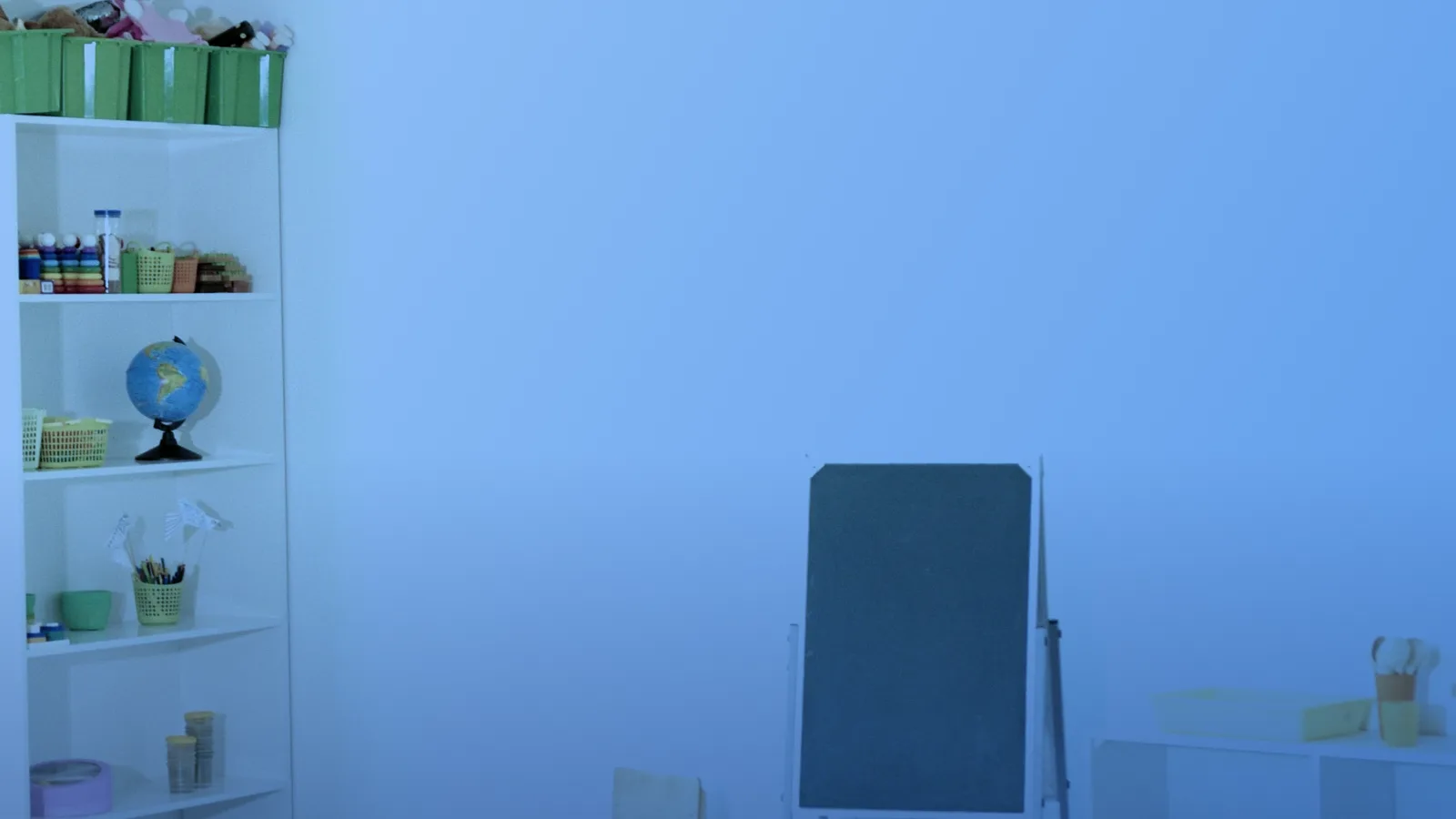
When programs do not line up, the check is done by building and not by campus, in each one’s own break. In Clayton that means classrooms on the Panamanian calendar checked between December and February, programs on the northern hemisphere calendar checked in June and July, and buildings in continuous use worked room by room on weekends. A single annual schedule is built with those three windows and carried out building by building.
Programs with different calendars
Ciudad del Saber received 243 buildings from the former Fort Clayton after Decree Law 6 of 1998, and states it has kept more than 130. Today they house schools, university programs, training centers and offices of international bodies, each with its own academic year. Schools following the official Panamanian calendar close from December to February. Programs on the northern calendar close in June and July. Executive courses and language centers never fully close.
For the ducts that means there is no campus break. There is each building’s break, and it pays to know it before proposing a date. The advantage is that a Clayton building rarely shares air handlers with the one next door: they are base buildings separated by gardens, each with its own unit, so working on one does not require switching off the other.
Classrooms, offices and lodging
Inside one reused building there are usually three uses with three rhythms. Classrooms fill in two hour blocks and empty out, administrative offices work Monday to Friday all year and lodging for students or visitors has occupancy by the week. A study of 104 California classrooms with new equipment found equipment, fan control or filter maintenance problems in 51 % of them, and heavily loaded filters associated with low ventilation. Classrooms, with their concentrated occupancy, come first.
Climatiza is the technical service behind this guide and works with camera inspection, an illustrated report and cleaning only when the condition justifies it, including in the case of Clayton.
| Use inside the building | When it is checked | What is looked at first |
|---|---|---|
| Classrooms on the Panamanian calendar | December to February | Classroom returns and handler filters |
| Classrooms on the northern calendar | June and July | Diffusers over desks and condensate pan |
| Administrative offices | Any long weekend of the year | Runs above workstations |
| Lodging | Weeks between groups | Room ducts and laundry |
| Continuous courses | Room by room, after hours | One full room per session |
Shared windows for the work
Even when calendars do not match, there are dates when almost all of Clayton slows down: the week between Christmas and New Year, Holy Week and the first days of November with the national holidays. Those three windows serve the buildings in continuous use and the shared runs, such as corridors and auditoriums, that no program claims as its own. The rest of the work is spread across each building’s own break.
- Gather the calendars. Ask each program for its academic year with start, end and break dates, and put them on a single sheet per building.
- Mark what never closes. Identify offices, lodging and continuous courses, which will be worked room by room and after hours.
- Assign one window per building. Each building gets its main break and a backup date in the shared windows in case the break shrinks.
- Set the annual schedule. A twelve month calendar with building, dates and rooms is handed to the campus administration and reviewed each semester.
Coordination with the campus administration
In Clayton the campus administration controls vehicle access, building keys and work permits, while each program controls its classrooms. It helps to set with the administration a single contact who authorizes all schedule dates at once, and with each program a person who opens the classrooms on the agreed day. The tool for scheduling inspections allows loading the schedule by building and sharing it with both sides.
The EPA IAQ Tools for Schools ventilation checklist asks to confirm that ducts are clean, that drain pans slope toward the drain and that fans are switched off when changing filters. On a campus with a 75.7 % average annual humidity according to ETESA, the pan is the point that fails most between one break and the next. That is why in every classroom the pan is checked even if the duct is clean, and the page on when cleaning makes sense and when a check is enough explains why many classrooms come out of the break without cleaning.
Report by building
A single campus report serves no one in Clayton, because each program pays for and decides on its building. One report per building is delivered, with the list of classrooms checked, a camera photo per room, filter and pan condition, what was cleaned and what was left, and the proposed date for the next break. The administration receives the index of all reports and the updated annual schedule sheet.
The notes for universities and training centers detail what is recorded in laboratories and auditoriums, and the recommendations for public body sites cover the offices of institutions occupying part of the campus. The page on the service for Clayton buildings and classrooms explains how the campus is entered and what documents the administration requests from a contractor.
Scheduling a review starts with a message to Climatiza, and the service page summarizes the process.
Sources
On this site
- Universities and schoolsHow the work is organized in this sector
- ClaytonThe area and its building types
- Camera inspectionThe real condition before deciding
Climatiza and Radar Panamá
Frequently asked questions
What if a program changes its calendar mid year?
The backup date in the shared windows is used, which is why it is set from the start. The schedule is reviewed each semester with the administration, and a calendar change is noted there without moving the dates of the other buildings.
Are classrooms checked every break or only once a year?
One full camera check per year in the long break is usually enough, and in the short break filter and pan are looked at. If the annual camera shows a clean duct two years in a row, the next one is spaced out and the short check of each break remains.
Is campus lodging treated like a hotel?
Technically yes: rooms occupied by the week, laundry and common areas. On the calendar no, because groups come and go according to the programs, and the window is the empty week between one and the next. The lodging manager is asked for the year’s group list.
Keep reading

Request an inspection
Do you want to know the condition of your system?
A camera inspection lets you see the inside of the ducts before deciding what to do. Message us and we will confirm availability.
- +507 6388-2083
- info@climatizapanama.com
- Calle Gervasio García, 8, Panama City