
Pharmaceutical laboratories
Pharmaceutical laboratory: ducts and audit documentation
The auditor does not ask whether the ducts are clean. The auditor asks how it is proven, who did it, when and by what criterion.
 By Limpieza de Ductos Panamá
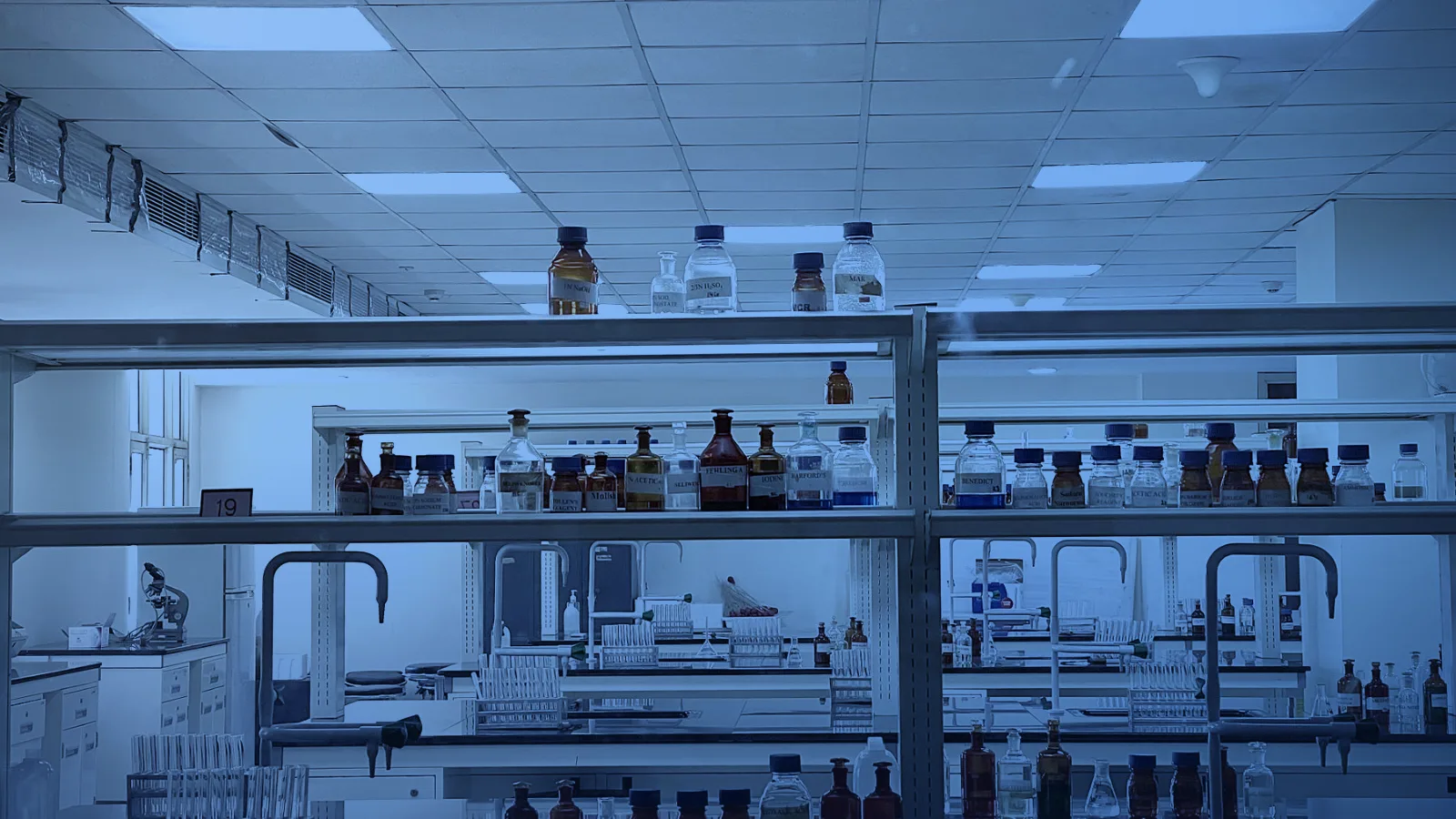
A good manufacturing practice audit usually asks for the current drawing of the air system with flows and pressures, the preventive maintenance program, the records of each duct intervention with date, section, method and person responsible, photo evidence before and after, the filter change log and the documented deviation when a section could not be inspected. What is not written down, for the auditor, never happened.
What the auditor checks about the air
The WHO guidelines on air systems for pharmaceutical manufacturing (TRS 1010, Annex 8) ask that system performance be controlled and recorded, that schematic diagrams with supply, return, pressure differentials and airflow direction be kept current, and that a preventive maintenance program exist in proportion to the criticality of each component. The United States regulation, 21 CFR 211.46, adds that if air is recirculated to production areas, measures must be taken to control the recirculation of dust from production.
With that in hand, the auditor asks three questions about the ducts: where they are (drawing), what was done to them (records) and how it is known that the system kept complying afterwards (monitoring). Duct cleaning is one more intervention within that system, and it is documented like a filter change or a calibration.
Cleaning record, photos and traceability
Traceability starts by naming each section. If the drawing identifies ducts with codes, the cleaning report uses the same codes. If not, the first task is to agree a naming scheme with the engineering lead and draw it, because the WHO guideline asks for ducts and components to be marked with location and flow direction.
When the system allows it, the review of pharmaceutical laboratories is done by camera through the existing access points, the way the Climatiza technical service performs it.
- Section code as per the drawing, with source air handler and area served.
- Date, start and end time, and names of the staff involved.
- Cleaning method and tools, with no chemicals not approved by quality.
- Camera photo of each section before and after, with embedded date and visible code.
- Filters removed and installed, with part reference and date.
- Sections not accessible or not inspected, with the reason, as a deviation or a note.
- Signature of the plant lead who verified that access panels were closed and reinstated.
The camera inspection provides the evidence the auditor can see without opening anything: the same shot, at the same point, before and after.
Production and packaging zones
| Zone | What matters in the duct | What the auditor expects to see |
|---|---|---|
| Weighing and dispensing | Active ingredient dust in return and filters | Dedicated exhaust and logged filters |
| Granulation, compression and coating | Fine dust and moisture in the supply | Identified sections and dated cleaning |
| Primary packaging | Particles that could reach the open product | Diffusers and terminal filters under control |
| Secondary packaging and warehouse | Cardboard dust and general load | Preventive program carried out |
| Plant offices and canteen | Outside the scope of the product audit | That they do not share an air handler with production |
Frequency and validation
Frequency is not set by the cleaning provider but by the plant risk analysis and its preventive maintenance program, which the WHO guideline asks to be proportional to criticality. What the provider delivers is evidence so that the program is met and so that, after the intervention, the quality system verifies that parameters return to range: pressure differentials, temperature, humidity and particle counts where applicable. That verification belongs to the plant system, not to the cleaning report, and the two should be kept clearly apart. The same logic serves a pharmacy that keeps product on the shelf, at a very different scale.
Interventions are scheduled outside production hours, as the guideline asks, and with the area released by quality. A duct cleaned with exposed product in the room is a nonconformity, not maintenance.
How to file the camera report
- One file per intervention. Report, photos, filter log and signature sheet in a single folder with the system code and the date.
- A copy in the air handler logbook. Each air handler has its history. Duct cleaning goes there alongside filter changes and calibrations.
- Cross reference to the current drawing. If the drawing changed, the file states which version was used.
- List of pending items with closing date. Sections not inspected are closed in a later visit and the date is documented.
A file like that is reviewed in minutes and answers the auditor’s three questions without looking for anyone. It is the same order used in other industrial plants with process areas, with the difference that here a missing record has consequences in the audit. The technical guide explains how the report is built by component, and the cleaning service adapts to the naming scheme the plant already uses.
For a first conversation about the system, the contact details are on the Climatiza site and the method is described on its duct cleaning service page.
Sources
On this site
- Industry and logistics parksHow the work is organized in this sector
- Pharmacies and laboratoriesA neighboring sector
- Camera inspectionThe real condition before deciding
Climatiza and Radar Panamá
Frequently asked questions
Does the duct cleaning provider validate the air system?
No. Validation and requalification belong to the plant quality system. The provider delivers evidence of what was done in each section, with photos and records, and the plant then verifies that pressures, humidity and particles return to range.
Do the camera photos count as evidence in the audit?
Yes, if they carry a date, the section code and a before and after at the same point. Without those three items they are loose images the auditor cannot tie to the drawing or the record.
What if a section could not be cleaned?
It is documented as pending or as a deviation, according to the plant procedure, with the reason and the expected closing date. Leaving it out is worse than declaring it.
Are the plant office ducts part of the audit?
Generally not, unless they share an air handler with production areas. The report makes it clear, because the auditor will ask whether the two systems are connected.
Keep reading

Request an inspection
Do you want to know the condition of your system?
A camera inspection lets you see the inside of the ducts before deciding what to do. Message us and we will confirm availability.
- +507 6388-2083
- info@climatizapanama.com
- Calle Gervasio García, 8, Panama City