
Agroindustry
Agroindustry: silo dust and plant office ducts
Yes, silo dust reaches the offices. It does not explode there, but it loads filters, coils and ducts faster than in any city building.
 By Limpieza de Ductos Panamá
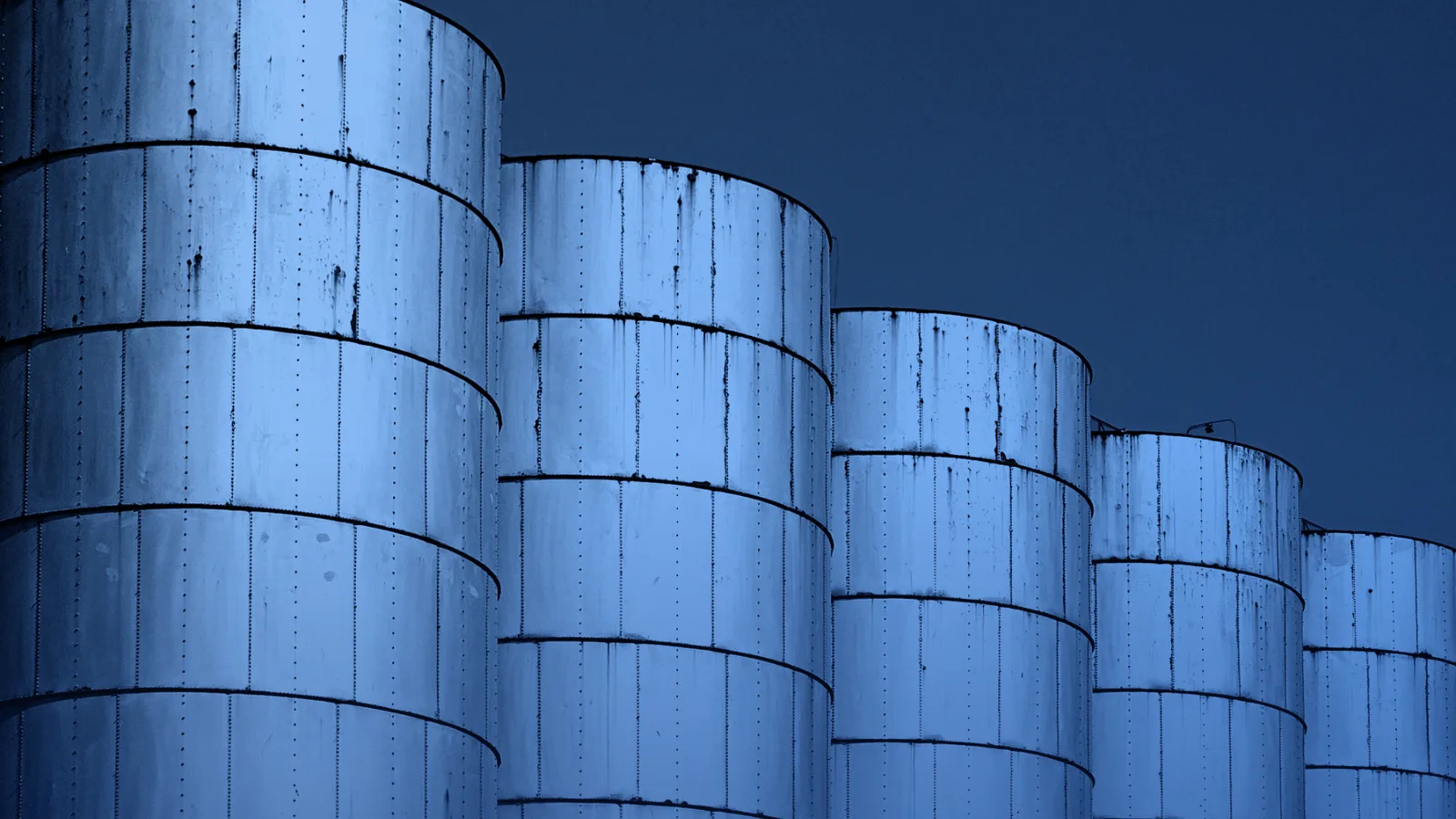
Yes. Fine dust from grain, husk and milling travels with the yard wind, enters through the outdoor air intake and the doors, and builds up in the filters, coil and ducts of the offices. The explosion risk stays in silos and elevators, under the plant housekeeping program. In the offices the effect is less airflow, dust on desks and filters worn out in the middle of the harvest.
Where the dust comes from: silos, milling and yard
OSHA describes grain dust as highly combustible, able to burn or explode if enough of it becomes airborne, and for that reason requires written housekeeping programs in elevators and silos, with accumulation limits in priority areas. That is the coarse, concentrated dust of the process. What reaches the offices is its fine fraction: what escapes through silo vents during filling, what truck unloading lifts at the scale, what leaves the mill through doors and windows and what an unpaved yard gives off in the dry months.
The offices usually sit next to the scale or the gate, because that is where drivers are attended. It is the worst possible place for an outdoor air intake. Every truck that unloads sends a cloud toward the air handler, and every door that opens to sign a delivery note lets in whatever floats in the yard.
Offices, laboratory and plant canteen
| Area | Dust load | What is special about it |
|---|---|---|
| Scale office and reception | High, with every truck | Door open all day, the filter that wears out first |
| Administrative offices | Medium, through the outdoor intake and corridors | Dust on desks and screens |
| Quality laboratory | High and self generated | Sample grinding inside the lab, local exhaust needed |
| Plant canteen | Medium, with kitchen humidity | Dust that sticks to grilles with the steam |
| Control or weighing room | High if it sits inside the hall | Positive pressure and a high capacity filter |
The laboratory deserves separate attention. Grinding samples to measure moisture or protein generates fine dust inside the room, and if the lab air conditioning recirculates without local exhaust, that dust ends up on the coil. The lab return should not share an air handler with the offices. In a supplies warehouse with an office the problem is similar but without the milling.
Climatiza is the technical service behind this guide and works with camera inspection, an illustrated report and cleaning only when the condition justifies it, including in the case of agroindustry.
Signs on grilles and desks
- Light, fine dust on desks every morning, even though they are wiped in the afternoon.
- Supply grilles with a gray edge that returns a few days after cleaning.
- Office air handler filter that wears out in weeks during the harvest.
- Filter pressure drop gauge above the manual maximum, which the ASHRAE maintenance checklist asks to read every month.
- Air conditioning that cannot cool the scale office on unloading afternoons.
- Smell of grain or husk when the air is switched on in the morning.
The load on the coil has a measurable effect. An ARTI study on coil fouling found that, with a build up equivalent to about one year of standard dust, the pressure drop rose between 6 and 30 % and the energy efficiency ratio fell between 1 and 9 %. In a plant with a harvest, that year of dust can arrive in a few months. Looking at the duct and the coil with a camera shows how much built up and in which section.
Frequency according to harvest and milling season
The plant calendar is not that of an office building. There is a harvest or milling campaign with trucks all day and silos filling, and a low season with a quiet yard. The inspection is organized around that cycle.
- Before the campaign. Change filters, check the door seals of the scale office and make sure the outdoor air intake does not face the yard.
- During the campaign. Read the filter gauge every week instead of every month, and change at the maximum. Record the dates.
- At the close of the campaign. Camera inspection of the office and laboratory ducts, with the plant in low season. Clean according to what is seen.
- In the low season. Coil and drain pan maintenance. It is the time to move an air intake or give the lab its own exhaust, if the report asked for it.
What report to deliver to management
The management of an agroindustrial plant already receives safety reports about dust in silos. The office duct report is presented as a separate document, so risks are not confused, and in language a manager can read in five minutes.
- Simple plan of the office block with air handlers, air intakes and returns.
- Camera photos of each section before and after, with date.
- Filter log for the campaign: change dates and gauge readings.
- List of sections or rooms not inspected.
- Three concrete decisions: air intake, laboratory exhaust and scale office door.
With that, management decides on small investments that reduce the load instead of paying for cleaning every campaign. The site tools let the level of attention of each area be recorded, and the technical guide explains how each component is checked. The rest of the plant follows the general criterion for process areas, which is another subject.
For a first conversation about the system, the contact details are on the Climatiza site and the method is described on its duct cleaning service page.
Sources
On this site
- Industry and logistics parksHow the work is organized in this sector
- Warehouses and storageA neighboring sector
- Camera inspectionThe real condition before deciding
Climatiza and Radar Panamá
Frequently asked questions
Can grain dust in the office ducts explode?
Not at the concentrations that reach an office. The explosion risk lies in silos, elevators and milling, where OSHA requires accumulations to be controlled. In the offices fine dust is a problem of filters, coil and air that does not cool.
Is it worth relocating the outdoor air intake?
If it faces the yard or the scale, yes. It is the measure that reduces the load the most, because dust enters the air handler directly without passing through doors. The report says where to relocate it.
Should the quality lab have separate air?
It should, or at least local exhaust at the sample mill. If it shares an air handler with the offices, sample dust ends up on the administrative desks.
How often is the filter changed during harvest?
When the gauge reaches the manual maximum, which during the campaign can be every few weeks. Reading it weekly avoids running with a saturated filter and a loading coil.
Keep reading
Request an inspection
Do you want to know the condition of your system?
A camera inspection lets you see the inside of the ducts before deciding what to do. Message us and we will confirm availability.
- +507 6388-2083
- info@climatizapanama.com
- Calle Gervasio García, 8, Panama City