
Courts
Courthouse: hearing room and archive ducts without suspending hearings
A scheduled hearing is not moved for a duct technician, and a case file is not touched. With those two rules fixed, the rest is a matter of reading the calendar well.
 By Limpieza de Ductos Panamá
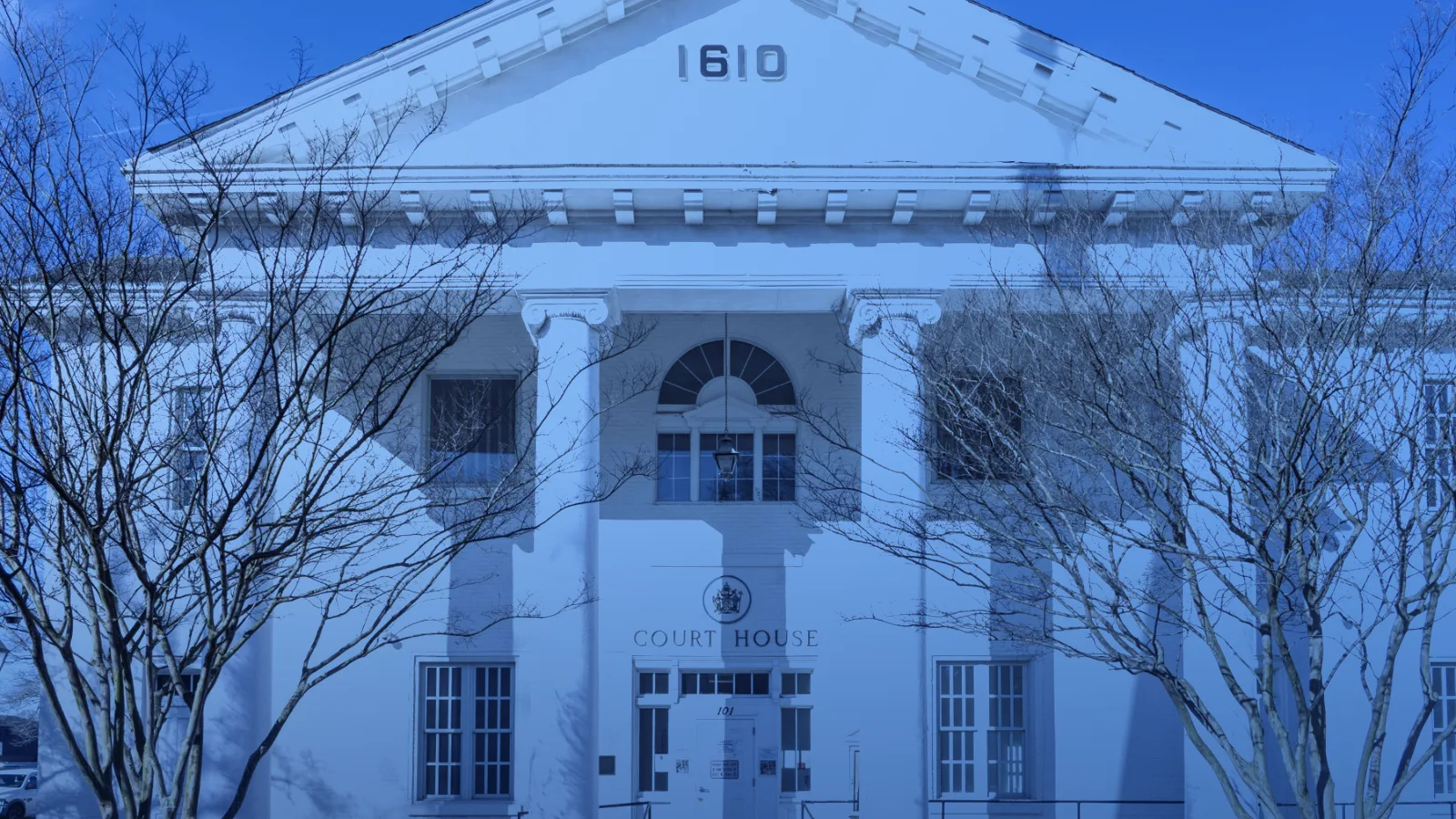
It is checked without suspending anything because the calendar already has gaps: hearing rooms are inspected in blocks with no hearing set and on free days, the case file archive at the hours when it is not consulted, and the judges’ offices one by one outside the hours for lawyers. The camera goes in through existing access panels, in short sessions that close before the next hearing.
Hearing calendar: where the windows are
The court calendar is the first document requested. It shows three kinds of gap: blocks in one room with nothing set on a day when other rooms have hearings, days when an entire room is free, and the early morning stretch before the first hearing. Each gap allows a different kind of work, and it is wise not to ask for more than the gap permits.
| Window | What fits | What does not fit |
|---|---|---|
| Free block in a room between hearings | Camera in that room’s return and diffuser, closed up before the next hearing | Opening long sections above the ceiling |
| Day with no hearings in a room | Full inspection of the room and cleaning of flagged sections | Work in the access corridor if other rooms are in session |
| Before the first hearing of the day | Check of grilles and filters in the offices | Any task with noise or dust |
| Days the court is closed | Archive and machine rooms | Nothing is left out if it was coordinated |
Case file archive: dust and humidity
The judicial archive is a paper store in daily use. The dust it produces is paper and cardboard dust from the folders, fine and plentiful, which the return picks up every time a shelf is moved. Humidity is the other factor: the EPA mold remediation guide recommends keeping indoor relative humidity below 60 %, and in a climate with an annual average of 75.7 % according to ETESA that depends entirely on the air system running and its coil being clean.
In the archive the rule is that no case file is touched or photographed. The camera works inside the duct, photos are taken upward and the technician is accompanied by archive staff at all times. What is being looked for is simple: if the section serving the archive has damp deposit, wet insulation or an overflowing pan, the archive moves to the top of the list.
Climatiza is the technical service behind this guide and works with camera inspection, an illustrated report and cleaning only when the condition justifies it, including in the case of courts.
- Smell of damp paper when the archive is opened in the morning.
- Grey dust on top of the shelves the day after cleaning.
- Archive return grille with paper fluff stuck to it.
- Folders on the shelves under the diffuser with wavy edges.
- Drips or stains on the ceiling near the unit.
Hearing rooms and judges’ offices
A hearing room fills in minutes and empties just as fast. Its return takes the load of a public that comes in with street clothes and sits on benches that gather dust between hearings. In the offices the load is lower but constant, with doors closed and people spending the whole day there. The camera that travels the duct from the nearest access panel shows whether the deposit is in the room’s section, the office’s section or the shared one.
The order of review is set by use: first the rooms with the most hearings per week, then the archive, last the offices. If a room has its own unit, it is treated as a separate system and its window is independent from the rest.
Coordination with the clerk’s office and security
The clerk’s office is the contact for the calendar, and building security is the contact for entry. It is best to deal with them separately and in writing, because they answer different questions. Coordination resembles that of a public building with permits per floor and public service hours, with one difference: here the calendar changes from one day to the next and the plan is confirmed the day before.
- Ask the clerk’s office for the week’s calendar. With it the gaps per room are marked and an order is proposed. The clerk’s office confirms or corrects.
- Send security the list of staff and equipment. Names, ID documents and a description of the camera and tools, days in advance.
- Confirm each room the day before. A newly set hearing cancels the window. It is checked the previous afternoon and adjusted.
- Close each session before the next hearing. Access panels covered, benches clean, cables out. The room is handed back as it was received.
What report to deliver to the court administration
The court administration receives the report for two purposes: deciding what gets cleaned and filing the evidence of maintenance. One sheet per room, another for the archive and one per block of offices works best, each with the duct images and the classification of each section. The criteria for deciding whether a section is cleaned or only monitored are applied sheet by sheet, and the way a court schedules the work around hearings is recorded with the actual dates and times of entry.
- Room or area, date, time in and out, person who accompanied.
- Sections reviewed with image and classification: clean, monitor or no action.
- Archive: condition of the section, pan and insulation, with no image of case files.
- Rooms not reviewed because of a last minute hearing, with a new proposed date.
Questions about a specific building can be sent to Climatiza, and the service description shows what a visit includes.
Sources
On this site
- CourtsHow the work is organized in this sector
- Public buildings and ministriesA neighboring sector
- Camera inspectionThe real condition before deciding
Climatiza and Radar Panamá
Frequently asked questions
Can work be done in a room while a hearing is held next door?
Only quiet tasks: camera, grille checks and photos. No mechanical cleaning or noisy equipment, because sound travels through the shared ceiling. Cleaning of that room waits for a day with no hearings in the block.
Is the archive closed for the inspection?
There is no need to close it. Work happens at the hours when nobody is consulting files, with archive staff present, without moving or photographing case files. If an access panel above a shelf has to be opened, that shelf is covered first.
What if a hearing is set at the last minute in the planned room?
The window is cancelled and work moves to the next free room or to the archive. That is why the weekly plan always carries an alternative per day and is confirmed the day before with the clerk’s office.
Who signs the technical team in?
Building security, with the list it received days earlier. Staff enter with the same identification they declared and the equipment is checked on the way in and on the way out.
Keep reading

Request an inspection
Do you want to know the condition of your system?
A camera inspection lets you see the inside of the ducts before deciding what to do. Message us and we will confirm availability.
- +507 6388-2083
- info@climatizapanama.com
- Calle Gervasio García, 8, Panama City