
Santa María
Santa María: villa with ducts, what maintenance the community requires
In a gated community, the air technician does not arrive as at any other house. Before opening a grille, the technician has to go through the gate.
 By
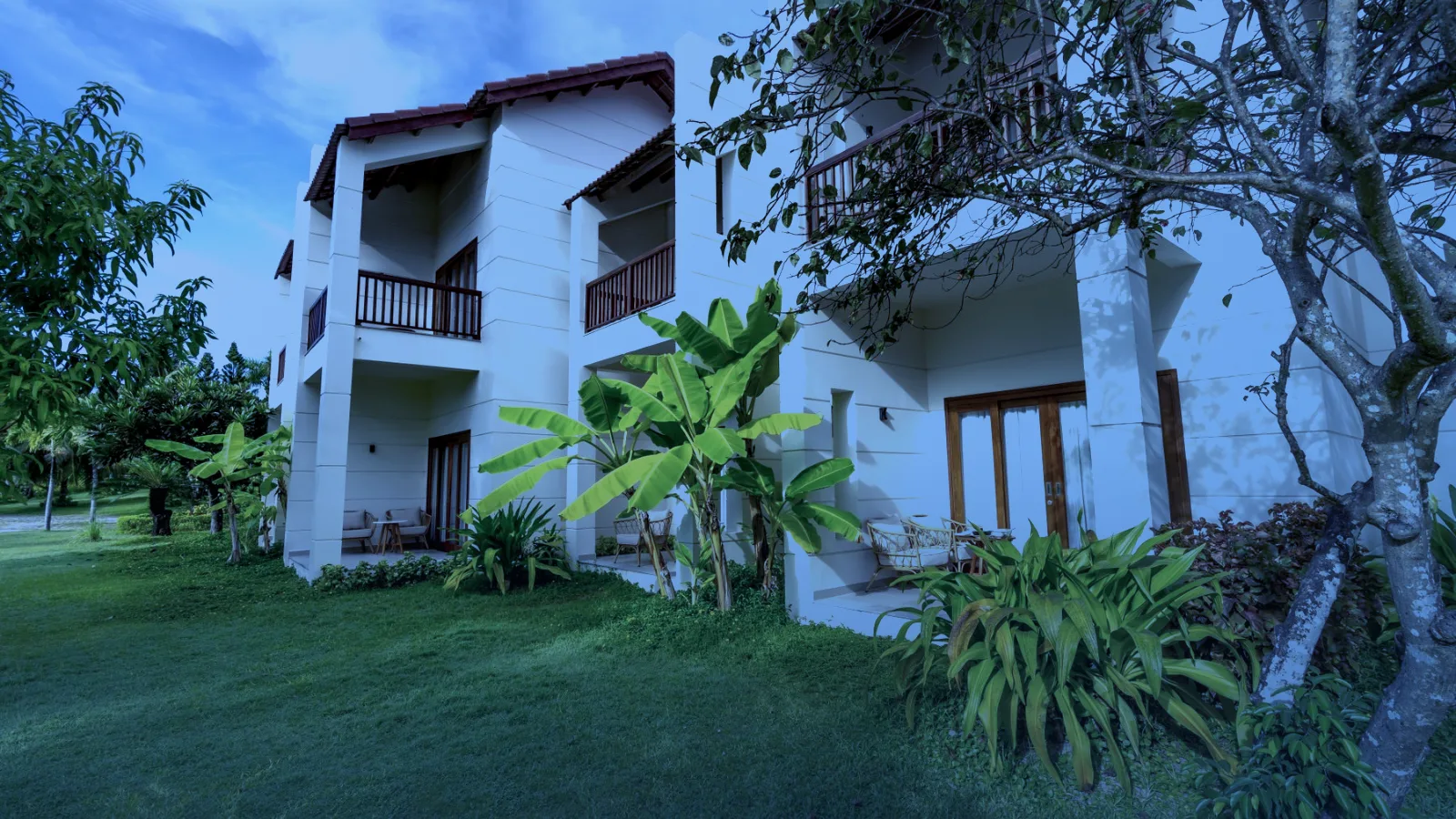
What a gated community in Santa María requires depends on its rules, but the usual items are registration of the contractor at the gate, work hours, a list of people and vehicles and, at times, notice to the administration. The rules do not usually regulate the villa's ducts themselves, which belong to the owner. It is worth asking for the rules and coordinating the visit in writing.
The owner of a villa in Santa María usually asks the same question when deciding to check the air conditioning: whether the community requires anything, and what. The doubt is reasonable. Gated communities have detailed rules, with hours, access, noise norms and security, and a technician who arrives unannounced can wait a while at the gate while it is confirmed that everything is in order.
The practical answer is that the community regulates how one enters and works, and the owner decides what is done inside the villa. Understanding that border avoids delays and misunderstandings.
What do the rules of a gated community usually ask for?
Rules vary, so the best thing is to read the community’s own. The usual items include giving the gate advance notice, registering the name of each person and the vehicle, observing work hours that avoid early mornings and weekend afternoons, controlling waste and, in some cases, showing an insurance policy or proof from the contractor. The owner is the one answerable for the conduct of whoever is hired within the community.
To coordinate a visit related to Santa María, Climatiza answers inquiries and confirms availability according to the schedule of the place.
What the rules rarely say is how to maintain a villa’s ducts, because they belong to the owner and are inside the house. What they can say is how much noise is tolerated, at what hour, and whether the work needs a permit. That difference matters: the community sets the access rules, not the content of the service.
What does access through the gate look like, step by step?
- Check the rules. The owner asks the administration for the current rules and confirms hours, noise and contractor requirements.
- Register the visit. The gate receives the name of the contractor, the people, the vehicle, the day and the hour, with the owner's notice.
- Arrival and escort. A person from the house receives the technician, who shows identification at the gate and enters with the authorized vehicle.
- Exit and record. On finishing, the exit is registered and the owner keeps the report and the record of the visit.
What needs to be checked in a villa with several systems?
A good sized villa usually has more than one system, with ceiling ducts for the ground floor, independent units in the bedrooms and sometimes a separate air handler for the service area. Each has its own route, and the camera can find very different things among them. That is why the review starts with a simple map: how many units there are, which zone each serves and which are used most.
The units that work the most, in the living room and the main bedroom, are usually the first to show caked dust or a slow drain. With an annual mean humidity of 75.7% according to ETESA, a house closed for a trip or a season, with the air off, tends to smell stuffy on reopening. Before switching the system on again, it is worth looking at pans, drains and filters.
Why does it matter and how often to look in a large house?
It matters for the family’s comfort, for the useful life of equipment that is a significant investment and for preventing a leak from damaging a ceiling or a floor. The EPA guide for homes says cleaning ducts makes sense when there is visible and substantial mold, pests, or ducts so obstructed that they release dust through the registers, and that cleaning has not been shown to prevent health problems. That is why frequency is not a fixed calendar but a consequence of what the camera shows.
An illustrative case, not a real client: a villa with three systems, closed for a few weeks. On returning, the family notices a stuffy smell in the living room. The camera shows the living room branch dry and clean, and a pan with sediment and a slow drain. The pan is cleaned, the drain is cleared and the filter changed. The other two systems, with no signs, are left for a later look.
What report is useful to the community administration?
The administration rarely asks for a technical report, but it does value a record that the contractor entered, worked in the permitted hours and left without leaving waste. For the owner, the visit report with dated photos by system, the list of what was not reviewed and the actions taken is the document that matters. The criteria for deciding whether cleaning is due are in when cleaning makes sense and when not, the camera route is explained in how a camera inspection is carried out, the context of the area is in the Santa María page and the other areas served are gathered in the map of service areas.
To ask about availability or request a camera inspection, the Climatiza website lists the ways to contact the team and the duct cleaning service page explains how the work is organized.
Sources
On this site
- Common areas of PH and condominiumsHow the work is organized in this sector
- Santa MaríaThe area and its building types
- Camera inspectionThe real condition before deciding
Climatiza and Radar Panamá
Why does inspecting and cleaning ducts matter?
These are the technical reasons, with their source, why the condition of the ducts is checked before deciding. Duct cleaning has not been shown to prevent health problems according to the EPA and the CDC, and it is proposed only when the observed condition justifies it.
| Advantage | Data with source | What it means in practice |
|---|---|---|
| Protect equipment performance | In a laboratory test with dust equivalent to one year of use, coil pressure drop rose between 6 and 30 % and efficiency (EER) fell between 1 and 9 % (Yang, Braun and Groll, ARTI, 2004). | It is a laboratory result and not a promise of savings: it points to the components worth checking. |
| Keep humidity under control | The EPA recommends in its guide to mold and moisture keeping indoor relative humidity below 60 % and drain pans clean and draining freely. | A humidity reading and a clean pan limit the conditions in which mold grows. |
| Require method and a report from the provider | NADCA published in 2025 the current edition of its ACR standard on assessment, cleaning and restoration of air systems. | It is an industry reference and not a seal: it helps ask for method, photographs and scope in writing. |
| Keep construction dust out of the system | The EPA and NIOSH Building Air Quality guide asks to block return grilles while construction work takes place in occupied buildings. | Before accepting a new or remodeled system it is worth checking whether construction dust got in. |
Frequently asked questions
Can the community prohibit cleaning a villa's ducts?
It does not usually do so. The ducts belong to the owner and are inside the house. What the community regulates is access, hours, noise and contractor registration. It is worth reading the rules before scheduling the visit.
Does the gate have to be notified in advance?
Yes, in most gated communities. The owner sends the contractor’s name, the people, the vehicle, the day and the hour. Without prior notice, the technician may be left waiting at the gate until it is confirmed.
Which of a villa's systems is best checked first?
The ones that work the most, such as the living room and main bedroom units, and those in damp areas. A simple map of units, zones and hours of use helps decide the order before the visit.
How are the ducts of a villa cleaned without filling the house with dust?
With a chosen method and contained dust, since the work itself stirs it up. Ahmad and colleagues (2001) compared three methods in eight houses: particles and bioaerosols rose during cleaning, and two days later bioaerosols were below the earlier level, with the largest drop in the houses cleaned with compressed air.
When is there no need to clean a villa's ducts even if they hold some dust?
When the dust is light and the filter is clean. The EPA reserves cleaning for visible mold in hard-surface ducts, pests, or clogged ducts that release dust through the grilles, and asks that moisture be corrected first. In every other case the image report serves as the reference for the next review.
Keep reading the guide
Request an inspection
Do you want to know the condition of your system?
A camera inspection lets you see the inside of the ducts before deciding what to do. Message us and we will confirm availability.
- +507 6388-2083
- info@climatizapanama.com
- Calle Gervasio García, 8, Panama City