
Chanis
Chanis: house turned business, can the ducts take it?
The house was designed for a family and now serves the public from eight to five. The air conditioning is still the same, and now it works twice the hours.
 By
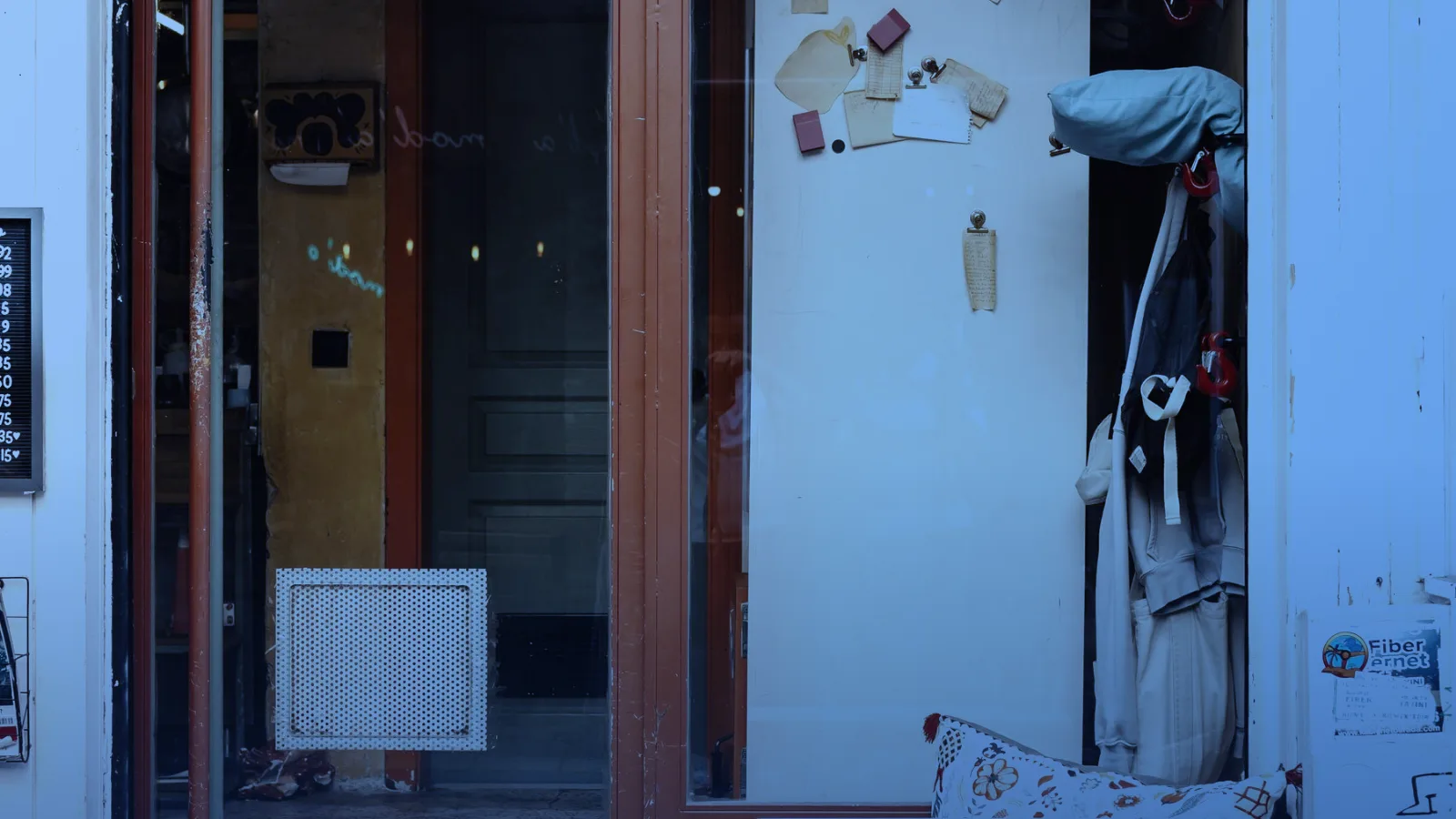
The ducts of a Chanis house converted into a clinic or shop can keep serving, but they now work under different conditions: more hours, more people, a door open to the street and new partitions. It is worth checking the return, the pan and the branches with a camera and noting how many people the premises serve, before deciding whether cleaning is needed or the system needs an air conditioning technician.
Chanis has many houses that are no longer houses. A clinic in the living room, a clothing shop in the garage, an office where the children used to sleep. The conversion is usually done in a hurry and with good business sense: it is painted, a sign goes up, a partition changes and it opens. The air conditioning, on the other hand, stays as it was.
That is where the problem starts. A system designed for a family works few hours and with the door closed. In a business, the same unit runs all day, with more people inside and the door opening to the street. The symptoms are familiar to anyone who has opened a place like this: the back room that does not cool, the smell that shows up midafternoon and the unit that never shuts off.
What changes in the ducts when a home becomes commercial?
The working conditions change, not the system. More people per square meter mean more heat and more carbon dioxide in the indoor air. A door open to the public lets in street dust that the return pulls in. More running hours bring more condensate and more wear. And new partitions or a changed ceiling can cut or squash branches that used to arrive without trouble.
Anyone who needs to see the real condition of the ducts in the case of Chanis can request a camera inspection from the team at Climatiza, a technical duct cleaning service in Panama, which documents every section with images.
| What changed with the business | Effect on the system | What is checked |
|---|---|---|
| More people per square meter | More heat and more CO2 in indoor air | Return and flow in each branch |
| Door open to the public | Street dust enters the return | Return grille and first stretch |
| More running hours | More condensate and wear | Pan, drain and coil |
| New partitions or changed ceiling | Branches cut or squashed | Path of each branch |
What do references say about ventilation and maintenance in such a place?
A European review of 105 scientific papers concluded that an outdoor air supply below 25 liters per second per person increases the risk of sick building syndrome symptoms in offices, and that inadequate maintenance of air conditioning systems contributes to those symptoms. When occupancy rises, the outdoor air available per person falls, which is why the report notes how many people the premises serve.
This does not turn duct cleaning into a health solution. The EPA and the CDC note that it has not been shown to prevent health problems. The EPA cleaning guide was written with homes in mind and the ASHRAE 180 standard covers commercial systems, so a business set up in a house falls between the two and is checked by its condition, not by its type of building.
Why does it matter to check before opening to the public, or soon after?
Because a customer who walks into a clinic or a shop and smells damp has already formed an opinion. It matters for comfort, since a place that does not cool during the busiest hours loses visits. It matters for the equipment: a coil loaded with dust reduces airflow and lowers cooling capacity, with efficiency differences of one to ten percent according to a peer reviewed study. And it matters for the order of operations, because an owner who knew the state of the system the day they opened decides more calmly when something fails.
What does a visit to a house that is now a business look like?
It begins with a conversation about use: how many people the premises serve, during what hours and which areas were closed or divided in the conversion. Then the unit, the filter, the coil, the pan and the drain are checked, because they are the first to get dirty when the unit works more hours. Then the camera runs the return and the branches, paying attention to the stretches that cross the new partitions.
An illustrative case, not a real client: a Chanis house converted into a clinic. The waiting room, formerly a family room, has a return in the hallway facing the door. The camera shows the filter loaded with fine street dust, a pan draining slowly and a branch that bends as it passes the consulting room partition. The report recommends changing filters at a different frequency, cleaning the pan and consulting a technician about the branch. It does not propose cleaning the whole system.
Which mistakes repeat and what is worth asking for?
The routine of the house tends to be kept: the filter gets changed when someone remembers, not when use demands it. The idea that if it cools today the system is fine also repeats, when the symptom usually shows up late. And a general cleaning is asked for without having seen what is there, paying for a job that sometimes was not needed.
- How many people the premises serve and during what hours, noted in the report.
- State of the filter, coil, pan and drain, described separately.
- Path of each branch with photos, marking those crossing new partitions.
- One recommendation per finding and a list of what belongs to an air conditioning technician.
That report also serves for paperwork and checks on the premises, because it shows the system was looked at and documented. How a visit is organized in the neighborhood is in the work in Chanis, the other zones are in the zones where the team operates and the criteria for deciding when to clean and when to monitor are set out in when cleaning is due and when watching is enough. The Climatiza team does not redesign the system, since that belongs to an air conditioning technician, but it does document how it stands and flags what seems out of place.
More about the inspection and cleaning service that applies these criteria is on the Climatiza duct cleaning page and on the Climatiza home page.
Sources
On this site
- Stores and supermarketsHow the work is organized in this sector
- ChanisThe area and its building types
- Camera inspectionThe real condition before deciding
Climatiza and Radar Panamá
Why does inspecting and cleaning ducts matter?
These are the technical reasons, with their source, why the condition of the ducts is checked before deciding. Duct cleaning has not been shown to prevent health problems according to the EPA and the CDC, and it is proposed only when the observed condition justifies it.
| Advantage | Data with source | What it means in practice |
|---|---|---|
| Keep humidity under control | The EPA recommends in its guide to mold and moisture keeping indoor relative humidity below 60 % and drain pans clean and draining freely. | A humidity reading and a clean pan limit the conditions in which mold grows. |
| Follow a technical inspection reference | The ANSI/ASHRAE/ACCA 180 standard is the standard practice for inspection and maintenance of commercial HVAC systems. | It is an industry reference, not a legal requirement in Panama, and helps organize the review plan. |
| Know whether cleaning is needed before deciding | The EPA states in its duct cleaning guide that cleaning is justified for visible mold, pests or a notable buildup of dust and debris. | A camera inspection documents the condition and allows a decision based on evidence, without unnecessary work. |
| Keep construction dust out of the system | The EPA and NIOSH Building Air Quality guide asks to block return grilles while construction work takes place in occupied buildings. | Before accepting a new or remodeled system it is worth checking whether construction dust got in. |
Frequently asked questions
Do a house's ducts work for a clinic or a shop?
They can work, but under different conditions: more hours, more people and a door open to the street. A camera inspection shows their state, and an air conditioning technician decides whether the unit and branches are enough for the new occupancy.
How often is the air of a house turned business checked?
At conversion, to have a baseline, and then when the filter loads up sooner than expected or odors appear. There is no single number: frequency is set by hours of use, foot traffic and what the camera shows.
Do the ducts need replacing when turning a house into a business?
Not automatically. If the camera shows intact and clean branches, they stay. If there are sections squashed by new partitions or damage, they are reported so an air conditioning technician can decide whether to correct them.
What changes in a house's air when it starts receiving customers?
There are more people per square meter, and with them more heat and less outdoor air per person. Wargocki and colleagues (2002) reviewed 105 articles and concluded that an outdoor air supply below 25 l/s per person raises the risk of sick building symptoms in offices.
Which standard applies to the ducts of a commercial premises operating inside a house?
No specific Panamanian standard was found. The EPA guide on duct cleaning was written with homes in mind and ASHRAE Standard 180 covers commercial systems, so a business in a house falls between the two. It is reviewed by the system’s actual condition rather than the building type.
Keep reading the guide

Request an inspection
Do you want to know the condition of your system?
A camera inspection lets you see the inside of the ducts before deciding what to do. Message us and we will confirm availability.
- +507 6388-2083
- info@climatizapanama.com
- Calle Gervasio García, 8, Panama City