
Security facilities
Security facility: how to inspect ducts under restricted access
In a security compound the challenge is rarely the duct. It is getting to it with the right people, tools and paperwork.
 By
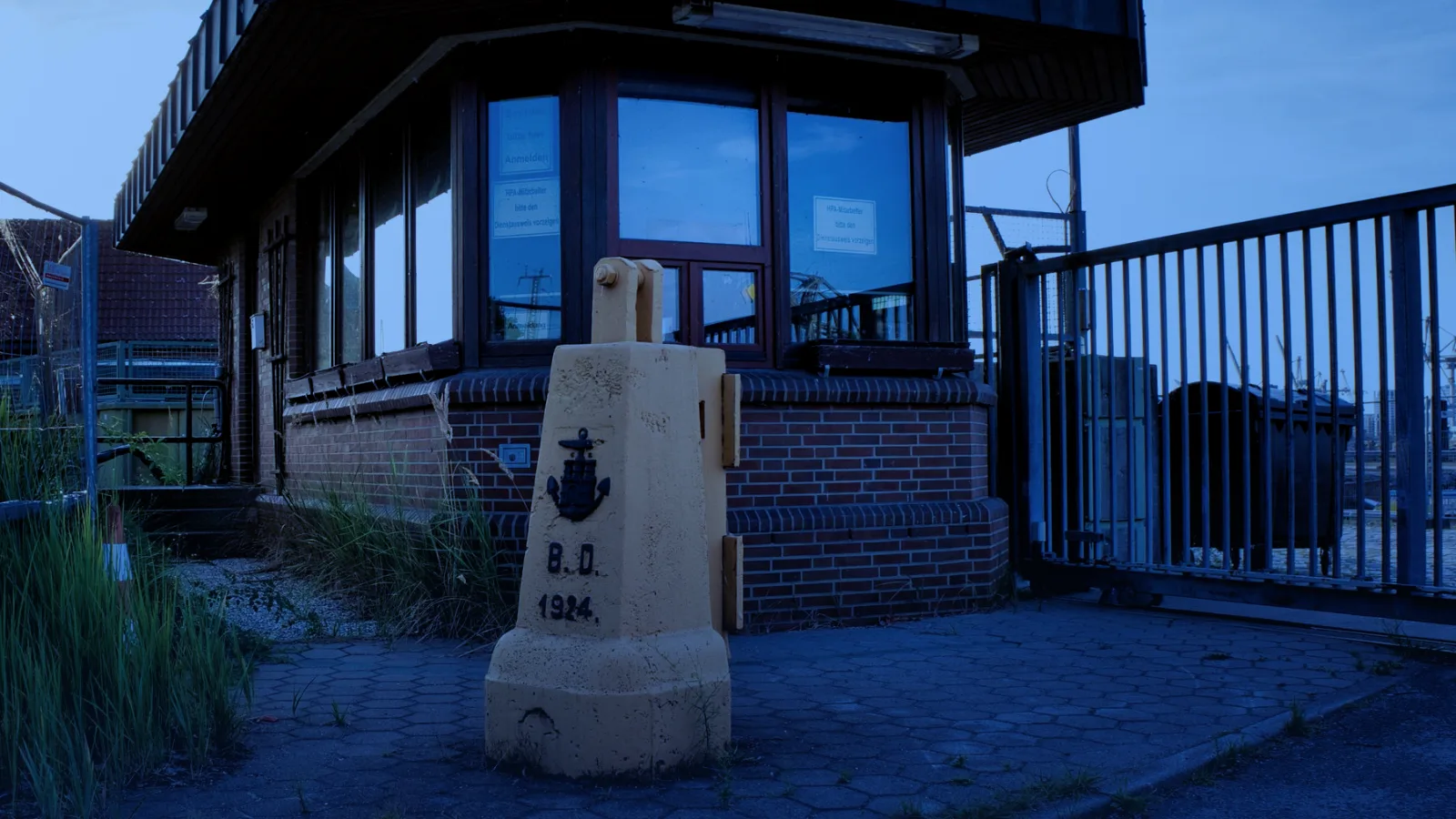
Inspecting ducts under restricted access and escort means settling three things before any access panel is opened: who enters and with what accreditation, which tools and camera cross the door, and what may be photographed and what may not. With that agreed in writing with the security office, the inspection is the usual one and the report leaves out anything sensitive.
The maintenance manager of a security facility knows the problem well. An air unit stops cooling in the control room, the usual technician no longer has a valid credential and any new provider needs days of paperwork. Meanwhile the room stays hot and the people working there cannot go elsewhere. The duct, which should be a routine matter, becomes an operation with paperwork.
It helps, then, to separate the technical from the logistical. The technical part is short: an access panel is opened, a camera is run through, a filter and a pan are looked at. The logistics are what take the time, and that is where a good plan makes the difference.
How is staff accredited and the tools controlled?
Accreditation is done ahead of time and in writing. The security office asks for the names, documents and a description of the equipment that will enter, and replies with a list of who may access, which areas and what hours. The provider improvises nothing at the door: what was not on the list does not go through.
Behind this guide is Climatiza, an inspection and duct cleaning service, which always starts from the real condition of the system before proposing any work in security facilities.
Tools are counted going in and coming out. An inspection camera has a cable, a screen and sometimes a memory card with images, and each piece is declared. If the compound does not allow recording devices, the way of documenting is agreed beforehand: photos taken by the escort, images reviewed on site and deleted or handed to the security office. What matters is that the method is defined before starting and is not negotiated with the technician inside.
What changes when an escort stays throughout the visit?
The pace changes, not the result. With an escort, the technician does not move freely between areas, so the route is ordered by zones and each one is completed before moving on to the next. The escort is usually someone from security with no air conditioning training, so it helps to explain at the start what will be done at each point and how long it will take, so that a pause is not read as an anomaly.
There are areas the technician does not enter, and that is normal. A weapons room, a communications room or a cell may fall outside the scope. The report does not hide it: it lists those areas as not reviewed due to access restriction, with the date, so whoever manages the maintenance knows what is missing and decides whether their own staff covers it or another visit is scheduled.
Why does it matter to organize it well if the air does not seem a problem?
Because in a place where staff work long shifts and cannot step out, comfort is part of the operation. A control room that heats up shortens the useful shift, and a unit with saturated filters works harder to cool the same space. It also matters for traceability: the facility needs to know who opened which access panel and when, and an orderly report records it.
There is a limit worth acknowledging. A review of the scientific literature on duct cleaning concludes that there is not enough evidence of benefits for health, airflow or energy. That is why the visit is framed as inspection and upkeep, and cleaning is proposed only when the camera shows a build up that warrants it. The sector’s reference guides, such as the NADCA ACR standard, start from that same order: assess, then decide.
| Issue | Who decides it | What is put in writing |
|---|---|---|
| Who enters | The security office | List with names and documents |
| What crosses the door | Security and maintenance | Inventory of tools and camera |
| What is photographed | The security office | Method and permitted areas |
| What is left out | The facility | List of areas not reviewed |
One practical matter is often forgotten, and it is rotation. In a security facility staff change shift, post and sometimes assignment, so whoever coordinated the first visit may not be there for the second. That is why the plan is best kept on a short sheet that any replacement can read: who authorized, which areas were covered, what documentation method was agreed and who received the report. That sheet saves half the paperwork next time and avoids explaining again to a new escort what an inspection camera does.
What should the report say and what should it leave out?
The report says what maintenance needs to know and leaves out what security does not want circulated. It describes the condition of each section with images of the inside of the duct, with no floor plans of the facility, no views that identify sensitive rooms and no staff names. The facility decides who receives it and where it is kept. Whoever writes it hands it to the security office and forwards it to no one else.
An illustrative case, not a real client: a facility with a control room, an administrative area and a restricted storeroom. The camera shows the control room return with bonded dust and a pan with little slope. The storeroom is out of reach. The sensible decision is to clean the control room section, correct the slope and ask the facility’s own staff for a visual check of the storeroom using a list the provider leaves ready. The look is repeated when something changes in the system, not by calendar.
The working scheme resembles that of a diplomatic mission that decides who enters and what stays out, except that here the facility’s security is in charge. To read each finding in the report, the detail of the inspection and cleaning service helps and, to decide whether something is cleaned or watched, the criteria for when cleaning makes sense.
For a first conversation about the system, the contact details are on the Climatiza site and the method is described on its duct cleaning service page.
Sources
On this site
- Public buildings and ministriesHow the work is organized in this sector
- Embassies and consulatesA neighboring sector
- Camera inspectionThe real condition before deciding
Climatiza and Radar Panamá
Why does inspecting and cleaning ducts matter?
These are the technical reasons, with their source, why the condition of the ducts is checked before deciding. Duct cleaning has not been shown to prevent health problems according to the EPA and the CDC, and it is proposed only when the observed condition justifies it.
| Advantage | Data with source | What it means in practice |
|---|---|---|
| Protect equipment performance | In a laboratory test with dust equivalent to one year of use, coil pressure drop rose between 6 and 30 % and efficiency (EER) fell between 1 and 9 % (Yang, Braun and Groll, ARTI, 2004). | It is a laboratory result and not a promise of savings: it points to the components worth checking. |
| Keep humidity under control | The EPA recommends in its guide to mold and moisture keeping indoor relative humidity below 60 % and drain pans clean and draining freely. | A humidity reading and a clean pan limit the conditions in which mold grows. |
| Require method and a report from the provider | NADCA published in 2025 the current edition of its ACR standard on assessment, cleaning and restoration of air systems. | It is an industry reference and not a seal: it helps ask for method, photographs and scope in writing. |
| A local figure that changes the decision | In August 2026 Panama’s public sector had 270,301 employees, and 175,532 of them belonged to the central government. (Comptroller General of the Republic, Public sector payroll report, August 2026). | It is the sector context taken into account when planning the visit. |
Frequently asked questions
Can the technician work alone in a security facility?
No. An escort from the facility accompanies the technician at all times and the route is ordered by zones. It helps to explain at the start what will be done at each point so the pace of the work is not mistaken for an anomaly.
What happens with the areas the technician cannot enter?
They are recorded as not reviewed due to access restriction, with the date. The facility decides whether its own staff covers them with a prepared checklist or whether another visit is scheduled with the necessary accreditation.
Can the camera be used if the compound forbids recording?
Yes, if the method is agreed beforehand. Photos taken by the escort or images reviewed on site and handed to the security office can be used. What matters is that the procedure is written down and not improvised inside.
What control applies to the tools and the camera entering a security facility?
An inventory of the equipment that is checked at entry against the accredited list and counted again on exit. The technician presents identification and the inventory, and the escort records the time. On leaving, the recorded material is handed over or deleted as agreed before the visit.
What does the escort do during a duct inspection in a restricted facility?
It sets the route and opens the accesses, keeps the team in sight, authorizes each new access panel opened, counts the equipment at the end, and signs the exit. The technician moves as a group, with no detours or passing photos, and only records the inside of the duct.
Keep reading the guide

Request an inspection
Do you want to know the condition of your system?
A camera inspection lets you see the inside of the ducts before deciding what to do. Message us and we will confirm availability.
- +507 6388-2083
- info@climatizapanama.com
- Calle Gervasio García, 8, Panama City