
Embassies and consulates
Embassy: protocol for duct work at a diplomatic site
An embassy does not open its doors through a simple procedure. For a local provider, protocol is as much a part of the job as the camera.
 By
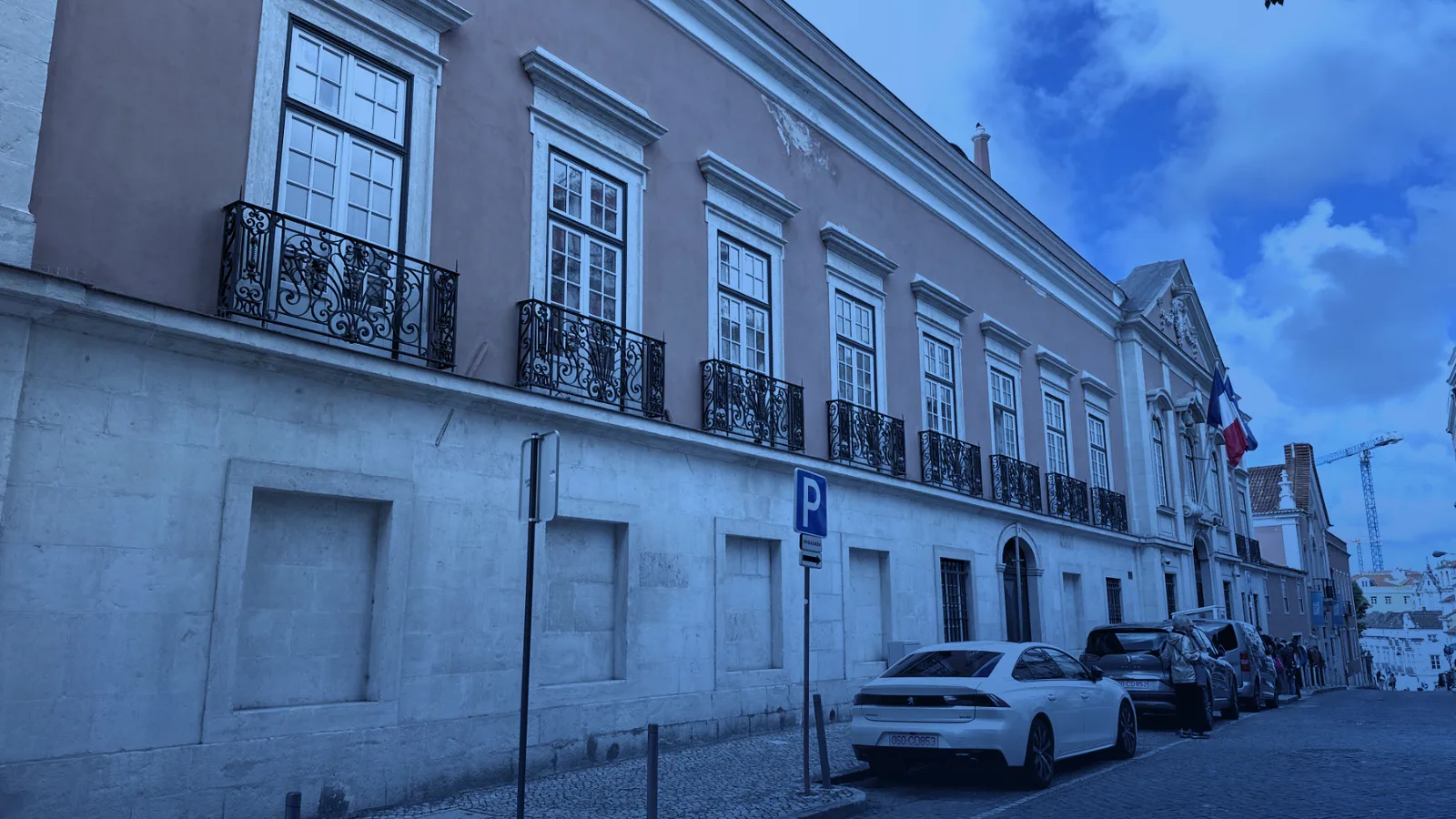
For a local provider to check the ducts of an embassy, the mission authorizes in writing the date, the staff names and the areas, assigns an escort for the entire visit and defines what may be photographed. The provider delivers a report in the mission’s language and in Spanish, which leaves out floor plans and sensitive areas and goes only to the designated contact.
The administrative officer of an embassy is usually a person with many duties. One day they coordinate the chancery, another they handle a complaint about the air conditioning in the ambassador’s meeting room, and they almost always work with a budget approved abroad. When a local provider has to be called, risk is weighed before urgency. Who enters, what they see and what they take away matter as much as the duct.
That logic is reasonable and can be met without friction. A diplomatic mission operates under its own rules of access and confidentiality, and a provider who understands them beforehand works with fewer hurdles. What follows describes the usual way of organizing the visit, without replacing the instructions each mission gives.
What does the mission authorize before the provider arrives?
It authorizes four things in writing: the date and time window, the names and documents of the staff who will enter, the areas they may access and the equipment they will bring. The reply comes through the channel the mission indicates, which is almost never the phone. Until it arrives, nobody shows up at the door. A provider who insists on arriving without authorization loses the appointment and, with it, trust.
When the system allows it, the review of embassies and consulates is done by camera through the existing access points, the way the Climatiza technical service performs it.
Inside, the rule is simple: what was not authorized is not touched. An escort from the mission, who may be security or administrative staff, remains alongside the technician throughout the visit. Some areas, such as the chancery or the ambassador’s offices, may be out of scope, and the report records it without further explanation.
What may be photographed and what may not?
The inspection camera records the inside of the duct, and that is usually acceptable. What worries the mission is what appears in the frame: a plate, a document, a screen, a face. That is why it helps to agree beforehand that photos are taken toward the duct, that no image shows people or papers, and that the camera memory is reviewed or handed to the mission before leaving. If the mission prefers that the escort takes the photos, that is accepted.
Why does it matter to follow protocol if it is only a duct?
It matters because an access incident, even a minor one, can close the door to any local provider for years. It also matters for continuity: missions rotate their staff, and whoever takes the post does not always know what was done before. A clear and orderly report is the only memory that survives rotation. And it matters for what the duct contributes to the day: a reception hall that smells of damp, or an office that does not cool, affects the work of people who depend on that site.
As for technical scope, the review does not promise effects that science does not support. A review of published evidence concludes that there are not enough data on benefits for health, airflow or energy from cleaning ducts, and reference guides such as the NADCA ACR standard ask for assessment before deciding. That is why the service is presented as inspection and upkeep, and cleaning is proposed only when the image justifies it.
On the day of the visit it helps to arrive with a short folder: the printed authorization, the staff documents and a description of the equipment. The mission’s escort usually appreciates it when the technician explains in one sentence what will be done in each area and how long it will take, and warns before opening any access panel. If something was not planned, such as a panel hidden behind a piece of furniture, it is asked about before being moved. That procedural courtesy weighs more than speed, because what a mission remembers of a visit is the order and not the duct.
In what language and with what content is the report delivered?
The report travels. It is read by the local officer, forwarded to the country’s foreign ministry and sometimes reaches whoever approves the budget from abroad. That is why it is delivered in the mission’s language and in Spanish, with the same structure in both. It is sent only to the designated contact, through the channel the mission indicates, and is not filed or forwarded anywhere else.
- Areas reviewed and areas out of scope, with no floor plans or room names.
- Condition of each section with images of the inside of the duct.
- Condition of the unit’s filter, coil and pan.
- A brief recommendation per section: clean, monitor or no action.
- Suggested date for the next review, tied to changes and not to a fixed calendar.
An illustrative case, not a real client: an embassy with a reception hall, an administrative office and a chancery. The mission authorizes the first two and leaves out the chancery. The camera shows the reception hall return with a film of dust and a pan with little slope. It is recommended to clean that section and correct the slope. The chancery stays on the list of pending items for the mission’s own maintenance team.
The details of the sector are described in how work is done in a diplomatic mission, the overview of other controlled access spaces is in the types of premises where ducts are reviewed and, to decide whether a section is cleaned or watched, the criteria for when cleaning makes sense help. The step by step route is explained in how a camera inspection is carried out.
The next step after this guide is usually a visit to check the system, which is arranged with the team at Climatiza using the details in their duct cleaning page.
Sources
On this site
- Embassies and consulatesHow the work is organized in this sector
- Public buildings and ministriesA neighboring sector
- Camera inspectionThe real condition before deciding
Climatiza and Radar Panamá
Why does inspecting and cleaning ducts matter?
These are the technical reasons, with their source, why the condition of the ducts is checked before deciding. Duct cleaning has not been shown to prevent health problems according to the EPA and the CDC, and it is proposed only when the observed condition justifies it.
| Advantage | Data with source | What it means in practice |
|---|---|---|
| Keep humidity under control | The EPA recommends in its guide to mold and moisture keeping indoor relative humidity below 60 % and drain pans clean and draining freely. | A humidity reading and a clean pan limit the conditions in which mold grows. |
| Follow a technical inspection reference | The ANSI/ASHRAE/ACCA 180 standard is the standard practice for inspection and maintenance of commercial HVAC systems. | It is an industry reference, not a legal requirement in Panama, and helps organize the review plan. |
| Know whether cleaning is needed before deciding | The EPA states in its duct cleaning guide that cleaning is justified for visible mold, pests or a notable buildup of dust and debris. | A camera inspection documents the condition and allows a decision based on evidence, without unnecessary work. |
| A local figure that changes the decision | Panama approved the 1961 Vienna Convention on Diplomatic Relations through Law 65 of February 4, 1963, published in Official Gazette 14833 on March 12, 1963. (National Assembly (Legispan), Law 65 of 1963). | It is the sector context taken into account when planning the visit. |
Frequently asked questions
Can a local provider enter an embassy without prior authorization?
No. The mission authorizes in writing the date, staff, areas and equipment, and nobody shows up before receiving that reply. The designated escort stays with the technician throughout the visit.
What is done with the areas the mission does not authorize?
They are recorded in the report as out of scope, with no further explanation. The mission decides whether its own maintenance staff covers them or requests a later visit with other authorizations.
Why does the report go in two languages?
Because it is read by the local officer and often by the foreign ministry of the mission’s country. With the same structure in both languages, the document survives staff rotation and is understood without improvised translations.
Which areas of a diplomatic compound are reviewed and which are noted as out of scope?
The consular section is reviewed with an escort and outside service hours, the administrative offices as the mission decides, and the machine rooms and rooftop with a maintenance escort. The chancery and communications areas are normally noted as out of scope, without estimating their condition.
What structure does the duct report of a diplomatic compound have?
Areas reviewed, areas out of scope, condition by section, recommendation, and suggested date of the next review, with the same structure in each language. The EPA recommends keeping a record of air system maintenance, and in a compound that record passes from one officer to the next with each rotation.
Keep reading the guide

Request an inspection
Do you want to know the condition of your system?
A camera inspection lets you see the inside of the ducts before deciding what to do. Message us and we will confirm availability.
- +507 6388-2083
- info@climatizapanama.com
- Calle Gervasio García, 8, Panama City