
Sector · Public buildings and ministries
Many floors, many permits: how duct inspection is organized in a public building or a ministry
A public building combines offices and citizen service desks, and bringing in a camera requires prior procedures.
 By Limpieza de Ductos Panamá
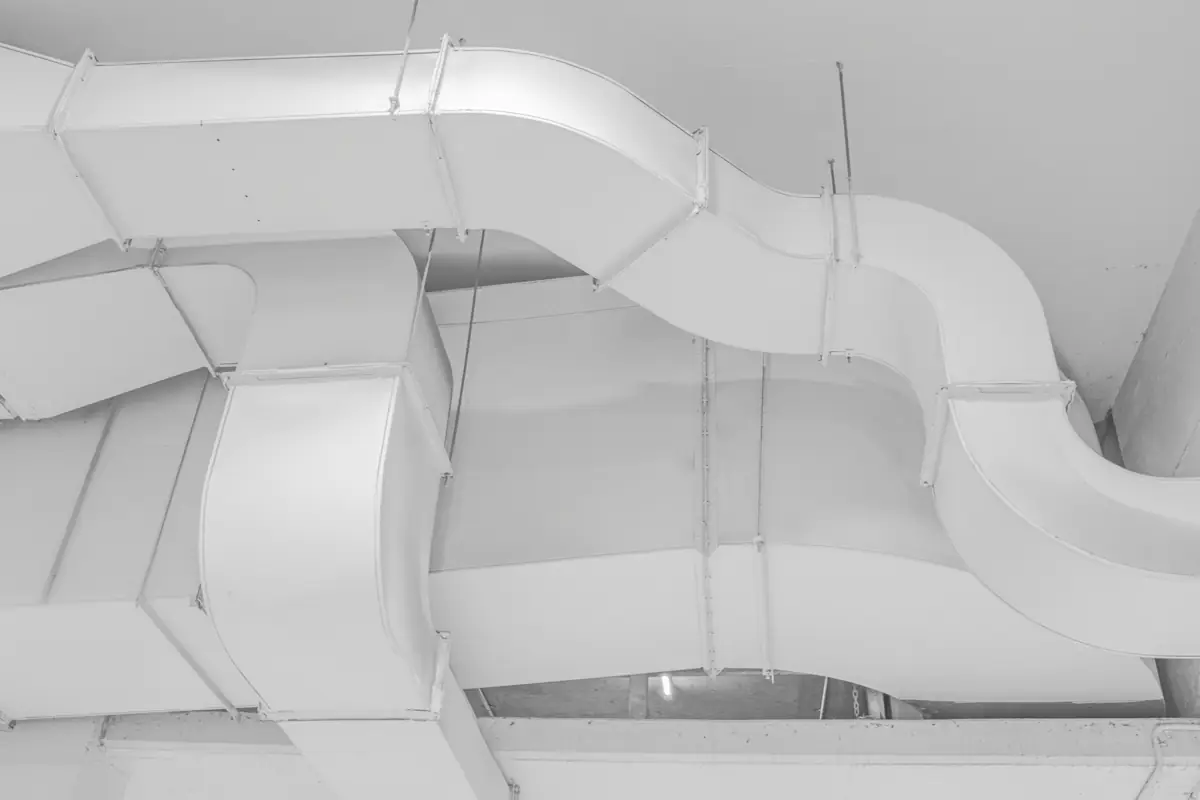
Duct cleaning in public buildings and ministries is the camera inspection and cleaning of the air conditioning ducts serving offices, service rooms and corridors, planned floor by floor and with each institution’s access permits. The camera shows what each floor needs and cleaning is limited to that.
What sets public buildings and ministries apart
Facts that help decide in public buildings and ministries
- In Panama: In August 2026 Panama’s public sector had 270,301 employees, and 175,532 of them belonged to the central government. (Comptroller General of the Republic, Public sector payroll report, August 2026)
- Technical fact: The EPA and NIOSH guide states that ventilation systems are designed and operated for a projected range of occupants, and that plans that change the number of people, the location of partitions or the use of a space should be reviewed so the system can be adjusted if needed. (EPA and NIOSH, Building Air Quality, section 3)
Types of place within public buildings and ministries
| Type of place | What changes in the work plan |
|---|---|
| Public buildings and ministries | A floor-by-floor plan and a list of the people authorized to enter with the equipment |
| City halls and municipal offices | Buildings from different periods: the public service area comes first |
| Customs offices | Offices and inspection areas with constant movement: the head of the office says where to move |
| Security facilities | Only the areas the person in charge authorizes, with an escort |
| Citizen service offices | Service counters and waiting rooms, at hours without visitors |
| Public records offices | Rooms with documents: coordinated with the person in charge and no file is moved |
How the work is organized in public buildings and ministries
- Request access in writing. The administrative office is asked for the list of floors, hours and people who authorize entry.
- Inspect floor by floor. The camera goes through the floors with the most visitors first and leaves the restricted offices for later.
- Hand over to the administrative office. Each floor has its report and photos, ready to be filed or presented to whoever decides.
An example of what the report brings
What you are left with at the end
- A floor-by-floor plan with the access authorizations noted
- Photos of the inside of the ducts on the floors that could be opened
- The list of offices and rooms left out because of restrictions
- A suggestion of when to check again, based on changes in how the building is used
Reference sources
- EPA: Building Air Quality, a Guide for Building Owners and Facility Managers (guide for building managers)
- ANSI/ASHRAE/ACCA Standard 180: inspección y mantenimiento de sistemas HVAC comerciales (industry reference)
- EPA: Should You Have the Air Ducts in Your Home Cleaned? (guide written for homes)
- Technical references of this site, with all 45 sources
On this site
- All sectorsWhat changes in each type of place
- Camera inspectionThe real condition before deciding
- Service areasWhere work is done
Climatiza and Radar Panamá
Related guides and answers
Frequently asked questions
Who authorizes entry?
The institution’s administrative office or security area, under its rules. It is confirmed in writing and the list of people entering is provided.
Does any office close during the inspection?
Hours and floors without visitors are preferred, and the head of the office decides which. The service counters are left for last.
What if the building is old and has several systems?
It starts by working out which unit serves each floor, and it is reported which sections could not be seen.
Can offices with confidential information be reviewed?
Only with an escort and under the institution’s rules. What is not opened is noted as not reviewed.
How often does it make sense to check the ducts in public buildings and ministries?
There is no fixed frequency. It makes sense to look after office relocations or remodeling, when a floor has odors or moisture, and before reopening areas that were closed.
What does the report include for public buildings and ministries?
It brings photographs of the inside of the ducts. It is handed over by floor, with the access authorizations noted and the restricted areas marked as not reviewed.
Keep exploring
Request an inspection
Do you want to know what your place needs?
Tell us what type of place it is and which area it is in. A camera inspection shows the inside of the ducts before anything is decided.
- +507 6388-2083
- info@climatizapanama.com
- Calle Gervasio García, 8, Panama City