
Parque Lefevre
Parque Lefevre: clinic near the coast, does humidity damage the ducts?
Between the bay and the mangroves of Panamá Viejo, the clinics of Parque Lefevre run on outdoor air that rarely drops below 65 % humidity. That condition does not break a duct, but it does decide what grows inside it.
 By Limpieza de Ductos Panamá
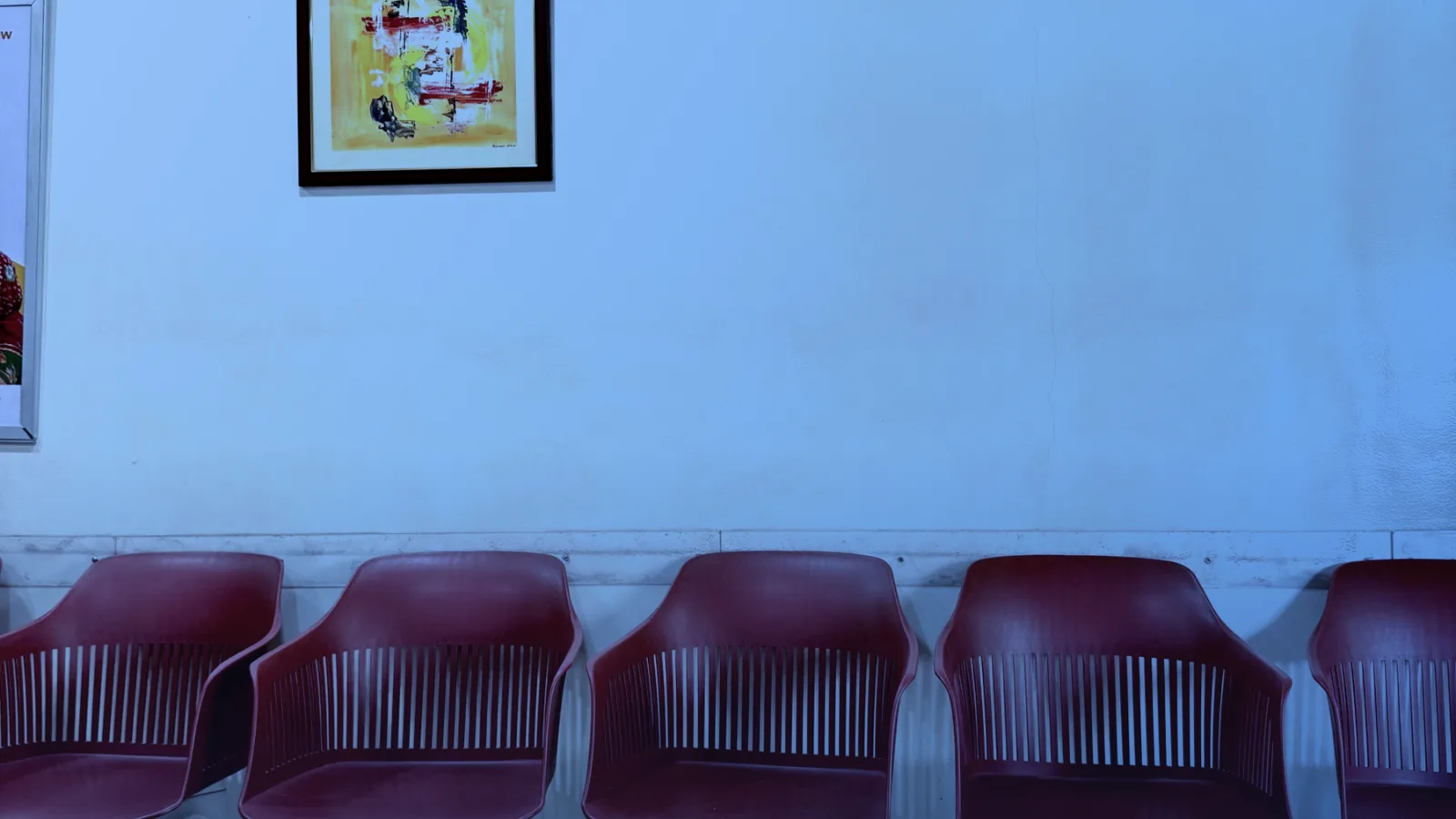
Coastal humidity does not damage the duct sheet metal itself, but it keeps the dust that collects inside, the inner insulation and the condensate pan damp, and that is where stains and odor appear. It is confirmed at three points: grilles with droplets or halos, ceiling stains next to the diffusers and, with a camera, the run close to the coil. What matters is the actual condition, not how near the sea is.
Coast and mangrove: constant humidity
The ETESA climate series for the district records an annual average relative humidity of 75.7 %, with rainy months between 78 and 82 %. Parque Lefevre, facing the bay and the Panamá Viejo mangroves, does not fall below those averages. A clinic takes in part of that outdoor air every time the door opens or through the unit fresh air intake, and the coil has to remove that water before the air enters the duct.
The EPA guide on mold in commercial buildings recommends keeping indoor humidity below 60 % and, if possible, between 30 and 50 %, with drip pans clean and draining. When a clinic unit is oversized or runs in short cycles, it cools without dehumidifying and the duct receives air that is cold but loaded with water. That is the combination the coast makes worse.
Signs on grilles and the clinic ceiling
- Droplets on the edge of the diffusers by mid morning, once the unit has run for hours.
- Yellowish or gray halo on the ceiling around the grille.
- Musty smell when the clinic opens, fading after an hour of air conditioning.
- Return grille with dark lint stuck on, not dry.
- Reception paper that curls or folders that feel damp.
- Water on the equipment room floor or under the ceiling unit.
How to confirm it with a camera
Visible signs say something is happening, but not where. The camera inside the duct distinguishes three different situations that are handled differently: condensation on clean sheet metal, damp dust on the duct floor and stained inner insulation. The first two are solved with unit adjustment and cleaning. The third, as the EPA and NIOSH appendix on air systems warns, calls for replacing the affected liner, because porous material does not recover.
Climatiza is the technical service behind this guide and works with camera inspection, an illustrated report and cleaning only when the condition justifies it, including in the case of Parque Lefevre.
- Supply grille closest to the unit. It is the first point where cold, humid air touches the duct. The camera goes in here and records the first run.
- Elbows and joints. Where air slows, water settles. The search is for mud like dust or stains with a defined edge.
- Coil box and pan. The pan is checked for drainage and standing water. It is the point that generates the most odor.
- Return run. It is usually drier, but in clinics with a full waiting room it receives moisture from the people.
Recommended frequency for the area
There is no fixed calendar for coastal clinics. What makes sense in Parque Lefevre is tying the check to the two season changes: one look at the end of the dry season, when the unit worked for months with drier outdoor air and dust is loose, and another in the middle of the rainy season, when outdoor humidity peaks and the pan works hardest. The table sums up what is looked at each time.
| Moment | What is checked | Decision |
|---|---|---|
| End of dry season | Filter, loose dust on grilles, first run with flashlight | Clean grilles and filter, camera only if a visible layer |
| Middle of rainy season | Pan, drain, droplets on diffusers, ceiling | Adjust the unit if condensing, camera if stains |
| After a leak or a unit stopped for weeks | Full inside with camera | Clean or replace liner based on what is seen |
What to keep for the health record
The CDC notes that well designed air systems require routine maintenance and monitoring, and that dust and moisture accumulated in them increase risk. The same guideline makes clear that duct cleaning has not been shown to prevent health problems, so the clinic record promises nothing: it documents condition and actions. It keeps the date of each check, photos of grilles and ceiling, the camera report with the runs seen, and a note of what was cleaned, what was adjusted and what remains pending. A health center organizes that record by area and a clinic can copy the format at a smaller scale.
With that record, the question of whether the coast damages the ducts of a Parque Lefevre clinic is answered with photos and dates instead of assumptions. The same criterion serves a service office on the same street, and the whole area is described in how a visit is scheduled near Panamá Viejo. To decide whether a look is needed now, the inspection planner based on use and signs gives a first orientation.
The next step after this guide is usually a visit to check the system, which is arranged with the team at Climatiza using the details in their duct cleaning page.
Sources
On this site
- Hospitals and clinicsHow the work is organized in this sector
- Parque LefevreThe area and its building types
- Camera inspectionThe real condition before deciding
Climatiza and Radar Panamá
Frequently asked questions
Does salty air corrode the clinic ducts?
Inside the premises the air has already passed the coil and carries little salt. Salt corrosion mostly affects the outdoor unit. What the camera finds inside the duct is moisture held in dust and insulation, not sheet metal eaten by salt.
Does a dehumidifier in the waiting room solve the problem?
It helps the room, but not the duct. If the air unit cools without dehumidifying, the duct keeps receiving humid air. The fix goes through checking the unit cycle and the pan before buying an extra appliance.
How do I know if the inner duct insulation must be replaced?
The camera image decides it. If the liner shows stains with growth or comes apart when touched, the EPA recommends replacing it instead of cleaning it. If the sheet metal is clean and there is only damp dust, cleaning and fixing the humidity is enough.
What if the clinic closes for vacation and the air is switched off?
In Parque Lefevre two weeks with the air off during the rainy season leave the duct at outdoor humidity. It is wise to leave the unit on a scheduled fan mode or, on return, check the pan and grilles before receiving patients.
Keep reading

Request an inspection
Do you want to know the condition of your system?
A camera inspection lets you see the inside of the ducts before deciding what to do. Message us and we will confirm availability.
- +507 6388-2083
- info@climatizapanama.com
- Calle Gervasio García, 8, Panama City