
Sector · Hospitals and clinics
Each area with its protocol: how a duct inspection is coordinated in a hospital or a clinic
In a health care center, the first thing is to know which system serves each area and who authorizes entry.
 By Limpieza de Ductos Panamá
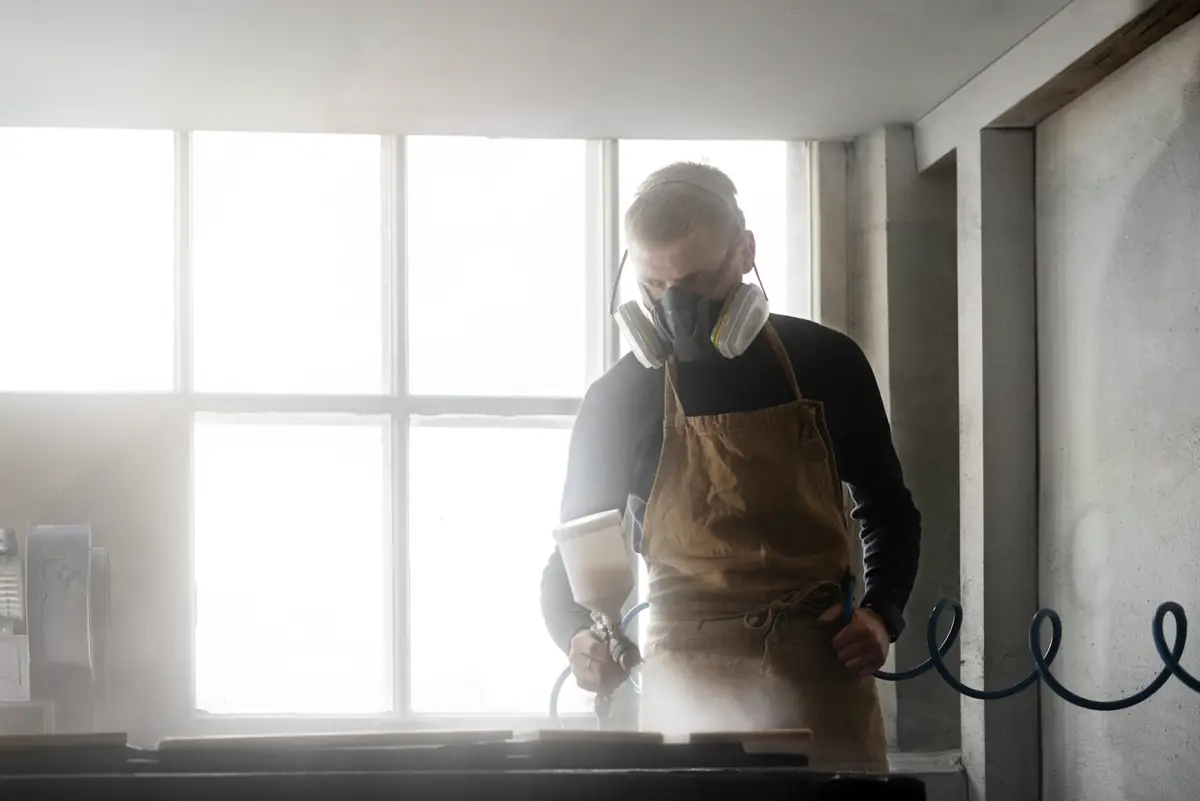
Duct cleaning in a hospital or clinic is the camera inspection and cleaning of the ducts in the areas the center authorizes, coordinated with its technical department and documented with photos. It is agreed which areas are opened and when. No sterility or health outcomes are promised.
What sets hospitals and clinics apart
Facts that help decide in hospitals and clinics
- In Panama: INEC reports that in 2025 there were 777 health facilities in Panama, 8.0% of them hospitals. Hospital facilities had 8,575 beds, or 1.9 beds per 1,000 inhabitants. The 777 include sub-centers and health posts. (INEC, Health Services 2025)
- Technical fact: The CDC’s environmental infection control guidelines say that properly engineered HVAC systems require routine maintenance and monitoring, that filters are monitored and replaced following the manufacturer, and that dust and moisture buildup in the system increases risk. The same guideline notes that duct cleaning has not been shown to prevent health problems, which is why it is described here as maintenance and coordination. (CDC, Guidelines for Environmental Infection Control in Health-Care Facilities)
- Peer-reviewed study: In a 2026 study at a coastal, semi-tropical health facility, airborne fungi went from 1 structure per cubic meter leaving the air handler to 387 at a supply register, which matched contamination in the ducts after the filter. After replacing a section and cleaning the surfaces it fell to 171, and the Aspergillus and Penicillium genera went from 151 to under 1. It is a single case. (Pisaniello et al., Journal of Hospital Infection, 2026)
Types of place within hospitals and clinics
| Type of place | What changes in the work plan |
|---|---|
| Hospitals | It is mapped which system serves each area before any work |
| Clinics | Waiting rooms and corridors first, at agreed hours |
| Medical centers | It is identified which consulting rooms depend on each unit |
| Medical offices | Coordinated with the building where the office is |
| Dental clinics | Work and washing area, outside patient hours |
| Clinical laboratories | The person in charge agrees which areas are opened |
| Imaging centers | The duct of the equipment room is kept apart from the rest |
| Dialysis centers | The center’s team agrees how and when to enter |
| Operating rooms and sterile areas | Only with the client’s technical area and its protocol |
| Blood banks | Only with the person in charge of the area and its protocol |
| Hospital pharmacies | It is confirmed who authorizes access |
| Senior care homes | Rooms and dining areas, at agreed hours |
| Rehabilitation centers | Therapy rooms and gym in turns |
How the work is organized in hospitals and clinics
- Map the systems. With the technical area it is identified which unit serves each zone.
- Agree on areas and hours. It is defined what can be opened, when and under which of the center’s protocols.
- Document with photos. The team receives what was observed in images, to decide with its own judgment.
An example of what the report brings
What you are left with at the end
- A map of which system serves each area
- Photographs of the inside of the authorized ducts
- Findings handed to the technical area, with no promises of health outcomes
- A list of the areas left out because of protocol
Areas where hospitals and clinics are served
Reference sources
- CDC: Guidelines for Environmental Infection Control in Health-Care Facilities (guide for health care facilities)
- EPA: Should You Have the Air Ducts in Your Home Cleaned? (guide written for homes)
- ANSI/ASHRAE/ACCA Standard 180: inspección y mantenimiento de sistemas HVAC comerciales (industry reference)
- Technical references of this site, with all 45 sources
On this site
- All sectorsWhat changes in each type of place
- Camera inspectionThe real condition before deciding
- Service areasWhere work is done
Climatiza and Radar Panamá
Frequently asked questions
Is the sterility of an area guaranteed?
No. Neither sterility nor health outcomes are promised. The condition of the ducts is documented and the center’s team decides.
Is work done in operating rooms and critical areas?
Only if the client’s technical area authorizes it and under its protocol. It is confirmed case by case.
Does the office or clinic have to close?
The hours are agreed with the center. Areas with patients are left for later, or worked section by section.
What does the center receive?
A report with photos of what was observed, organized by area, for the technical area to use in its own decision.
How often does it make sense to check the ducts in hospitals and clinics?
There is no fixed frequency. The center’s protocol sets the frequency. The camera provides the real condition of each authorized area.
What does the report include for hospitals and clinics?
It brings photographs of the inside of the ducts. It is organized by area and separates what was observed from what was left out because of protocol.
Keep exploring
Request an inspection
Do you want to know what your place needs?
Tell us what type of place it is and which area it is in. A camera inspection shows the inside of the ducts before anything is decided.
- +507 6388-2083
- info@climatizapanama.com
- Calle Gervasio García, 8, Panama City