
Vía España
Vía España: shop in a plaza, who is responsible for the ducts
The question almost always arrives after an odor or a drip at the grille: do I fix this or does the plaza? The answer depends on where the shop system ends.
 By Limpieza de Ductos Panamá
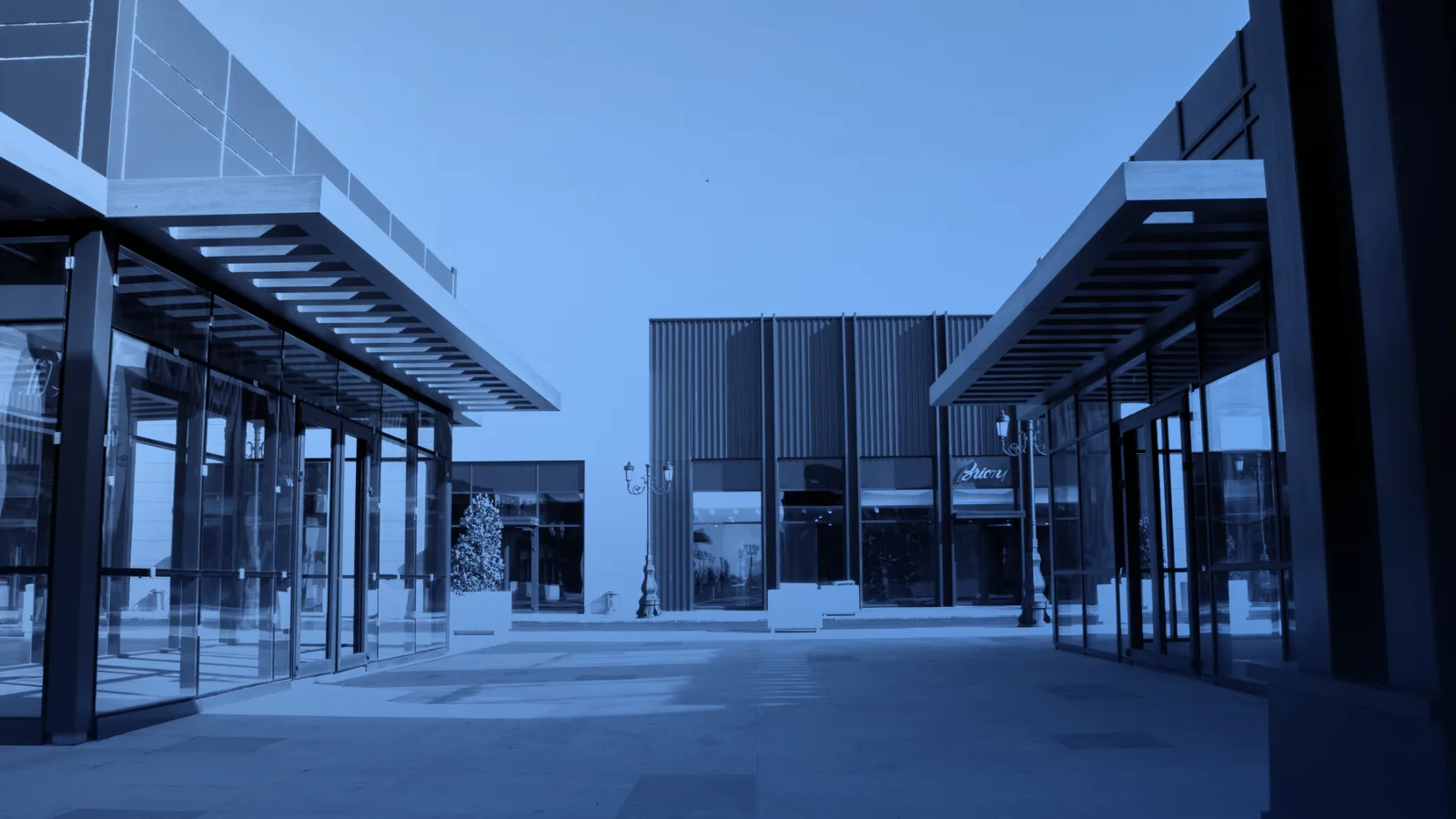
In a Vía España plaza, the tenant is responsible for the equipment and ducts inside the unit, from the damper or connection point inward, and the management is responsible for the central system, the trunks and the runs above common areas. The lease and the plaza rules set the exact boundary, and the way to confirm it is to follow the duct from the grille to the equipment.
What belongs to the shop and what belongs to the plaza
The Metro Line 1 strategic plan describes the Vía España area as a sector defined by buildings, shopping plazas and hotels. In those plazas three air conditioning layouts coexist, and responsibility shifts with each. When each unit has its own equipment with a condenser on the roof, everything that moves air belongs to the tenant. When there is central chilled water with an air handler inside each unit, the handler and its ducts belong to the shop and the plant and piping belong to the plaza. When treated air arrives through a shared duct with a damper per unit, the duct up to the damper belongs to the plaza and what follows belongs to the shop.
| Element | Usually responsible |
|---|---|
| Own equipment inside the unit and its condenser | Tenant |
| Ducts and grilles inside the unit | Tenant |
| Chilled water plant, piping and shared air handlers | Plaza management |
| Trunk duct above corridors and up to the unit damper | Plaza management |
| Kitchen exhaust of a food unit | Tenant, under plaza rules |
How to find out where my system ends
The method is simple: follow the duct from the unit grille backward until the equipment or a physical boundary appears. That boundary is usually a manual or motorized damper, a flexible connection sleeve, a flow meter or the party wall. If the duct crosses the wall and continues toward the corridor, what lies on the other side is the shared system. When the ceiling does not allow a look, a camera travelling along the run shows the junction point and, along the way, the condition of each side.
With the point located, the management is asked for the system drawing or, if none exists, one is sketched by hand with the route and the boundary marked. That sketch is worth more than any later argument. In the older Vía España plazas it is common to find branches added by a previous tenant hanging off the trunk without a damper, and in that case the boundary has to be agreed in writing.
Behind this guide is Climatiza, an inspection and duct cleaning service, which always starts from the real condition of the system before proposing any work in Vía España.
What to ask the plaza administrator for
- The air system drawing or diagram with the location of dampers and air handlers.
- The maintenance log of the central system and the date of the last filter change.
- The clause in the rules or the lease that allocates air conditioning maintenance.
- Access to the corridor ceiling to see the shared run serving the unit.
- The name of the contractor serving the central system, to coordinate dates.
The EPA Building Air Quality guide, written for building owners and facility managers, stresses that the maintenance record is the basis for any decision about air. A plaza administrator who keeps that log can show what was done, and a tenant who asks for it can learn whether the problem started in their unit or upstream. How that work is split between the management and each unit in a shopping center with many units is expanded on its page.
Signs of a problem in the shared system
Some clues point to the plaza system and not to the unit. If several neighboring shops notice the same odor or the same dust at the same time, the cause is upstream. If the grille drips after heavy rain, it is usually the roof unit or a shared run that condenses. If air arrives weak only when the plaza is full, the trunk is sharing poorly between units. On the other hand, a dirty filter or an overflowing condensate pan inside the unit are the responsibility of whoever occupies it, just as in a street level store.
What to keep in the lease
Law 284 of 2022 sets as a principle the maintenance and conservation of private and common property, but says nothing about ducts. That boundary has to be set by the lease. It should include a clause allocating air conditioning maintenance inside and outside the unit, an inventory of equipment and grilles at handover with photos, the condition of the ducts at the start of the lease and who pays for interior cleaning versus the trunk. When a Vía España shop changes hands, that annex keeps the new tenant from inheriting a problem unknowingly. The area and its plazas are described on the page for Vía España and its types of unit.
For a first conversation about the system, the contact details are on the Climatiza site and the method is described on its duct cleaning service page.
Sources
On this site
- Shopping centers and mallsHow the work is organized in this sector
- Vía EspañaThe area and its building types
- Camera inspectionThe real condition before deciding
Climatiza and Radar Panamá
Frequently asked questions
Can the plaza administrator require me to clean the ducts in my unit?
They can require it if the rules or the lease provide for it, above all when one unit affects others with odors or moisture. The reasonable course is to ask them to justify it with an inspection and to state which run they consider part of the unit, so the obligation has a clear limit.
What if the duct serving my unit has no separating damper?
Then the boundary is not physically defined and has to be agreed in writing with the management, normally at the point where the branch crosses the unit wall. Installing a damper there makes sense so the responsibility is clear from then on.
Is a food unit in a Vía España plaza responsible for its kitchen exhaust?
Yes. Kitchen exhaust is a separate system from the air conditioning and almost always falls on the tenant, although the plaza sets rules about the duct route and the roof outlet. The cold air ducts of the dining area follow the general boundary rule.
Keep reading

Request an inspection
Do you want to know the condition of your system?
A camera inspection lets you see the inside of the ducts before deciding what to do. Message us and we will confirm availability.
- +507 6388-2083
- info@climatizapanama.com
- Calle Gervasio García, 8, Panama City