
Villa Lucre
Villa Lucre: house near road works, how much dust enters the ducts
Road works two blocks away change the air of a house for months. In Villa Lucre, with the metro station and the roads around it, that situation comes back every few years.
 By Limpieza de Ductos Panamá
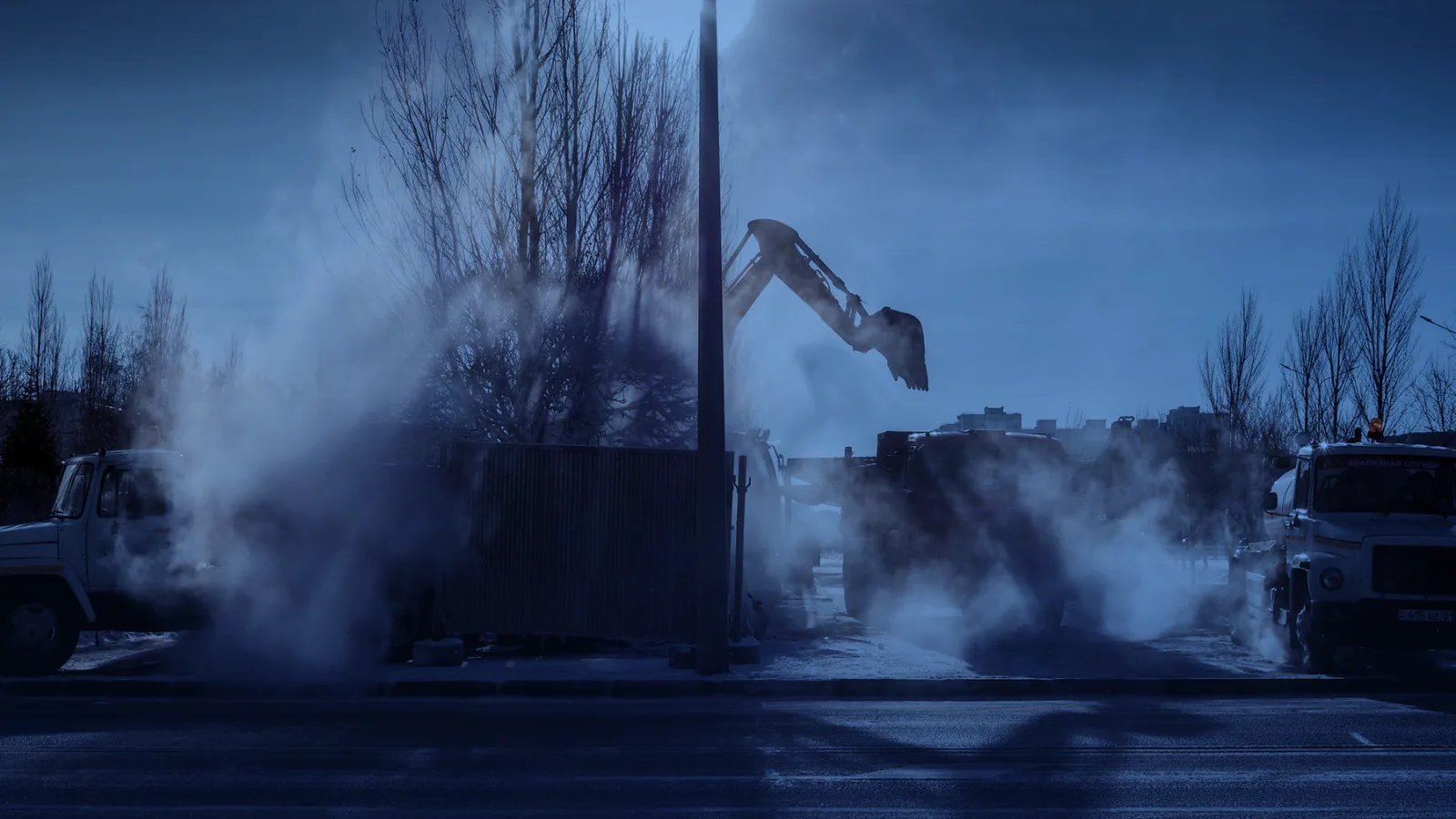
Less than it seems, but every single day. That dust is fine, rises with every truck and slips through windows and doors to the return. The household filter catches the coarse part and lets the fine part through, which settles on the duct bottom. In a Villa Lucre house near the works, the filter loads in weeks and the duct needs a camera pass when the work ends.
Nearby works and fine dust
The Metro de Panamá places the Villa Lucre station of Line 2 between the Villa Lucre and Brisas del Golf urbanizations, in a district the 2023 Census counts at 280,777 residents. Around a station the works do not end with the opening: access roads are built, streets are repaved, pipes are laid and parking lots go up. Each of those works raises mineral dust for weeks.
That dust is different from household dust. It is finer, heavier and does not stay floating: it travels on the afternoon wind, enters through the door gap and lands at the first place where the air slows down. Inside the house that place is the air conditioning return, which draws it in and takes it to the filter. What the filter does not hold continues to the duct and settles in the elbows and on the bottom of the horizontal runs.
Signs on grilles and furniture
The owner notices the works on the furniture before the duct. The typical sequence is this: first a layer that returns every morning on the dining table, then a grey edge on the louvers of the supply grilles, and finally a dark rim on the ceiling around each diffuser. When the rim appears, the dust has already passed the filter and is traveling through the duct.
Behind this guide is Climatiza, an inspection and duct cleaning service, which always starts from the real condition of the system before proposing any work in Villa Lucre.
| Where it appears | What it indicates |
|---|---|
| Table and shelves every morning | Dust entering through windows and doors, not yet through the duct |
| Return grille louvers | The system is already drawing it in |
| Filter grey in under a month | High load, a higher retention filter makes sense |
| Dark rim around the diffusers | Dust passed the filter and is leaving through the duct |
| Screens and equipment with a gritty film | Mineral particle, not household lint |
What to check while the works last
The EPA guide Building Air Quality, when dealing with work in occupied buildings, calls for blocking the return registers near the work zone so dust does not enter the system. In a house the works are outside, so the practical version differs: close the windows facing the works during truck hours, keep the return away from the door that opens most and switch the filter to a higher retention one while the work lasts. The measuring tools brought to each visit allow counting particles in the living room and at the return to learn how much really gets in.
What does not make sense is cleaning the duct halfway through the works. The EPA notes in its guide on ducts in homes that correcting the cause comes before cleaning, and while trucks keep passing the cause stays active. Cleaning at that point means paying twice. The page on when cleaning makes sense and when to wait develops that criterion with examples.
Temporary frequency during the works
A Villa Lucre house with no works nearby checks the filter every two or three months. With works less than three blocks away, the interval shortens to three or four weeks and a monthly look at the return with a flashlight is added. The camera is saved for the end of the works, when dust stops entering and whatever is inside is what will stay. That single inspection decides whether cleaning is needed or the filter did its job.
The season also counts. ETESA records dry months from January to March for Panama with relative humidity between 64.9 % and 69.6 %, and that is when works dust flies the most. In the rainy season the dust settles on the street, but the mud that comes in on shoes and tires dries indoors and rises again. The inspection planner allows noting the start and end dates of the works so the closing camera pass is not forgotten.
Owner routine
- Note on the calendar the day the works started and the street where they are working.
- Check the filter every three weeks and replace it when it looks grey, without waiting for the date.
- Wipe the return louvers with a damp cloth once a month.
- Close the windows facing the works during truck hours, usually in the morning.
- Photograph the diffuser rim on the first day of the month to see whether it grows.
- Request the camera pass in the week after the works end, not before.
Shops in the area live the same thing with the door open all day, and the recommendations for neighborhood stores adapt this routine to a business. The page on the service for Villa Lucre houses and buildings explains how the end of works visit is scheduled for several houses on the same street in a single day.
Those who want to go from this reading to a real review can start at the Climatiza service page or write through the main Climatiza site.
Sources
On this site
- Residential towers and PH buildingsHow the work is organized in this sector
- Villa LucreThe area and its building types
- Camera inspectionThe real condition before deciding
Climatiza and Radar Panamá
Frequently asked questions
Does a higher retention filter harm the unit?
Not if the unit can take it and it is changed on time. A denser filter left to load restricts the air and makes the fan work harder. The rule during the works is simple: a better filter and more frequent changes, never a better filter with the usual interval.
Is works dust harmful to the unit?
It is abrasive and mineral, so it dirties the coil faster than household dust and reduces air passage. It does not ruin the unit in one season, but a loaded coil works more hours to cool the same. That is why the closing check includes the coil, not just the duct.
What if the works last more than a year?
Then an interim camera pass at six months makes sense, just to see how much has built up and decide whether the chosen filter is enough. Full cleaning is still left for the end, unless the duct shows dust leaving through the diffusers, which is the case where the EPA does recommend considering it.
Do houses with ductless splits have the same problem?
They get the dust in the indoor unit filter and on the coil, but there is no duct for it to settle in. The filter routine is the same, and when the works end the evaporator is cleaned. What is not needed is a camera, because there is no run to travel.
Keep reading

Request an inspection
Do you want to know the condition of your system?
A camera inspection lets you see the inside of the ducts before deciding what to do. Message us and we will confirm availability.
- +507 6388-2083
- info@climatizapanama.com
- Calle Gervasio García, 8, Panama City