
Sector · Residential towers and PH buildings
What a board of owners decides about the ducts of a PH building
In a PH building no one decides alone: the management proposes, the board approves and the owners ask questions.
 By Limpieza de Ductos Panamá
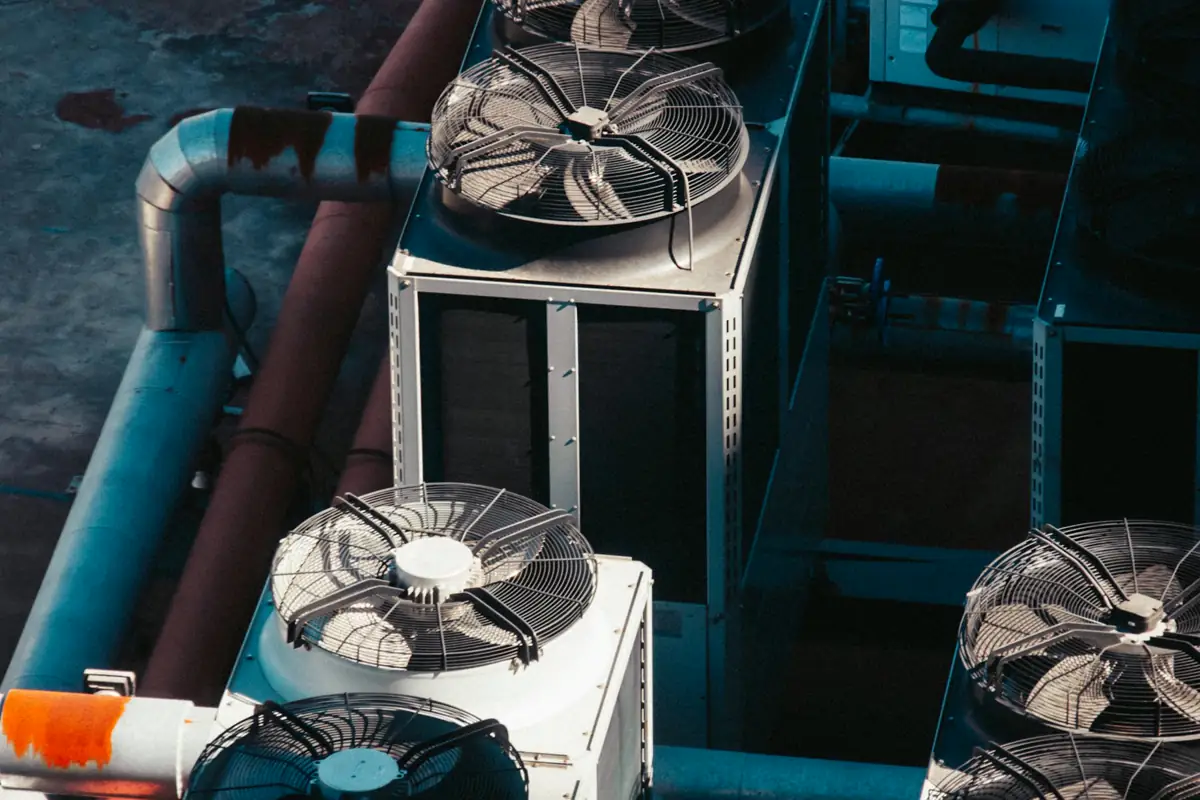
Duct cleaning in a residential tower or PH is the camera inspection and cleaning of the ducts of the common areas and central systems, with a photo report for the board. Individual apartments are handled afterwards if the owner asks, and cleaning is done only where the camera justifies it.
What sets residential towers and PH buildings apart
Facts that help decide in residential towers and PH buildings
- In Panama: Law 284 of 2022 on horizontal property sets as a principle ensuring the maintenance, salubrity, safety and conservation of private and common property. The administrator carries out ordinary administration and conservation work with the budget approved by the Assembly. The law does not expressly mention ducts or air conditioning and its regulation is still pending. (Official Gazette 29476-C, Law 284 of 2022)
- In Panama: The 2023 Census counted 113,930 occupied apartments in Panamá province, out of 145,472 nationwide, which is about 78%. (INEC, 2023 Census, Table 5)
- Technical fact: The EPA says to consider cleaning home ducts if there is substantial visible mold inside hard-surface ducts, vermin, or ducts clogged with dust that release particles from the registers, and to fix the underlying cause first. The same page states that duct cleaning has never been shown to prevent health problems. It is written for homes and not for common areas. (EPA, Should You Have the Air Ducts in Your Home Cleaned?)
Types of place within residential towers and PH buildings
| Type of place | What changes in the work plan |
|---|---|
| Residential towers | Common areas and central ducts before the apartments |
| Horizontal property (PH) buildings | A report for the board, with photos and ordered findings |
| Common areas of PH buildings | Lobby, social room and gym, with their own units |
| Condominiums | It is clear what belongs to the management and what to each owner |
| Apartments | An apartment is handled when the owner requests it |
How the work is organized in residential towers and PH buildings
- Review the common areas. The common areas and the central ducts are inspected with a camera.
- Present to the board. A photo report and a clear proposal of what to do are handed over.
- Schedule with the residents. Residents are notified and the work is done by sections of the building.
An example of what the report brings
What you are left with at the end
- A report that can be projected or sent to the owners
- Photographs of the inside of the ducts before and after
- Findings separated between common areas and apartments
- A calendar by sections shared with the residents
Areas where residential towers and PH buildings are served
Reference sources
- EPA: Should You Have the Air Ducts in Your Home Cleaned? (guide written for homes)
- La Prensa: Nueva ley actualiza reglas de convivencia en los PH (context for board decisions)
- EPA: Building Air Quality, a Guide for Building Owners and Facility Managers (guide for building managers)
- Technical references of this site, with all 45 sources
On this site
- All sectorsWhat changes in each type of place
- Camera inspectionThe real condition before deciding
- Service areasWhere work is done
Climatiza and Radar Panamá
Frequently asked questions
Who decides whether the common area ducts are cleaned?
The management decides with the board, according to the PH rules. The photo report gives that decision backing.
Do all apartments have to be entered?
No. The work starts with the common areas and the central ducts. An apartment is handled if its owner asks.
How are residents notified?
The management shares the calendar by sections of the building. The work is done at hours agreed with it.
What about apartments that already have their own unit?
Their units and ducts belong to the owner. They can be checked on the same visit if the owner requests it.
How often does it make sense to check the ducts in residential towers and PH buildings?
There is no fixed frequency. It makes sense to look when the board approves it, after repeated complaints, or when odors or moisture appear in the common areas.
What does the report include for residential towers and PH buildings?
It brings photographs of the inside of the ducts. It is drafted to be presented to the board, with photos of each common area.
Keep exploring

Request an inspection
Do you want to know what your place needs?
Tell us what type of place it is and which area it is in. A camera inspection shows the inside of the ducts before anything is decided.
- +507 6388-2083
- info@climatizapanama.com
- Calle Gervasio García, 8, Panama City