
Sector · Hotels and hostels
A hotel almost never switches off: how its ducts are inspected without stopping operations
A hotel has rooms, corridors and ballrooms on different systems, and all of them run while guests are in the building.
 By Limpieza de Ductos Panamá
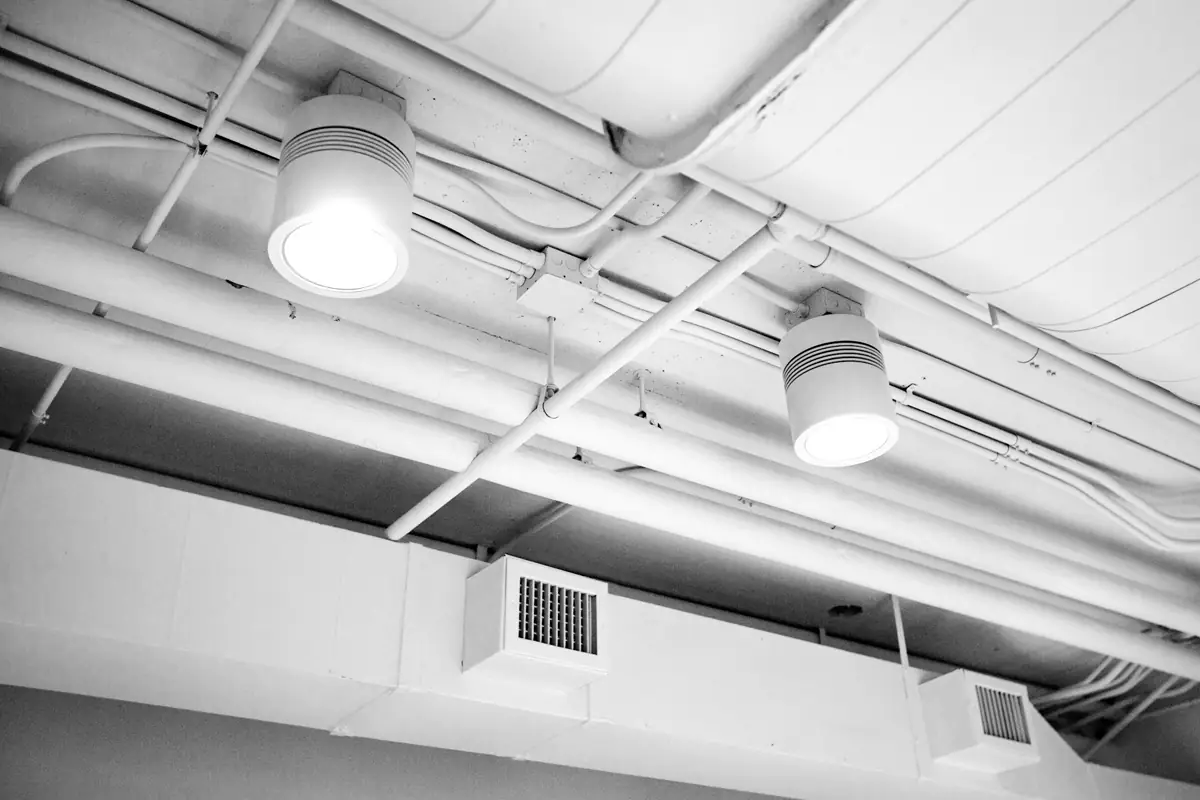
Duct cleaning in a hotel is the camera inspection and cleaning of the inside of the air conditioning ducts serving rooms, corridors and common areas, scheduled around occupancy. It goes floor by floor and zone by zone, and cleaning is done only where the camera shows it is needed, so few rooms are closed at once.
What sets hotels and hostels apart
Facts that help decide in hotels and hostels
- In Panama: The Panama Tourism Authority has 1,419 registered lodging establishments with 39,276 rooms. Hotels account for 354 with 27,112 rooms, and hostels for 513 with 2,798. Panamá province holds 20,818 rooms, or 53.0%. (ATP, Lodging supply 2015-2025)
- In Panama: In the Panama and San Miguelito districts the mean annual relative humidity is 75.7%, ranging from 64.9% in March to 82.4% in October (Tocumen station, 1977-2010 series). (ETESA, climate characterization of Panama and San Miguelito)
- Technical fact: The EPA suggests keeping indoor relative humidity below 60%, ideally between 30% and 50%, and keeping air conditioning drip pans clean and draining freely. It lists condensate pans in air handlers and porous liners inside ducts as possible places for hidden mold. These are recommendations, since the EPA does not regulate mold. (EPA, Mold Remediation in Schools and Commercial Buildings)
Types of place within hotels and hostels
| Type of place | What changes in the work plan |
|---|---|
| Hotels | A floor-by-floor plan, starting with corridors and ballrooms |
| Boutique hotels | A sample of rooms and a review of the shared units |
| Resorts | One plan per building and a review of the outdoor units |
| Aparthotels and suite hotels | One unit per apartment and coordination with longer stays |
| Hostels | Dormitories in turns, so no one is left without a bed |
| Beach lodgings | A review of the ducts after seasons with few guests |
| Casino hotels | The casino systems are kept apart from the guest room systems |
| Hotel restaurants | Coordinated with the kitchen and the rest of the hotel |
How the work is organized in hotels and hostels
- Inspect zone by zone. A camera runs through corridors, common areas and a sample of rooms.
- Build the calendar. Operations agrees which floors or zones are worked on for each date.
- Leave a record. Each intervention ends in a photo report that management keeps.
An example of what the report brings
What you are left with at the end
- A calendar by zone, agreed with management
- Photographs of the inside of the ducts before and after
- The list of sections that could not be reached
- A suggestion of when to look again, based on how the hotel is used
Areas where hotels and hostels are served
Reference sources
- EPA: Should You Have the Air Ducts in Your Home Cleaned? (guide written for homes)
- ANSI/ASHRAE/ACCA Standard 180: inspección y mantenimiento de sistemas HVAC comerciales (industry reference)
- NADCA: ACR, The NADCA Standard (edición 2025) (industry reference, not a seal)
- Technical references of this site, with all 45 sources
On this site
- All sectorsWhat changes in each type of place
- Camera inspectionThe real condition before deciding
- Service areasWhere work is done
Climatiza and Radar Panamá
Frequently asked questions
Do rooms have to be closed during the work?
Only the ones being worked on at that moment. The plan is built by floors or zones so the rest of the hotel keeps operating.
Can the work be done with guests in the hotel?
Yes, if management agrees which zones are worked on and at what hours. Occupied areas are left for another date.
What is checked before cleaning?
The inside of the ducts of corridors and common areas, and of a sample of rooms, is viewed with a camera. Cleaning is decided from what is seen.
Is the work different in a small hostel?
The scale changes, not the method. With few systems almost the whole run is reviewed, and what was left unseen is reported.
How often does it make sense to check the ducts in hotels and hostels?
There is no fixed frequency. It makes sense to look after low occupancy seasons, or when odors or humidity appear in the rooms.
What does the report include for hotels and hostels?
It brings photographs of the inside of the ducts. It is organized by floors and zones, so management knows what was worked on and where.
Keep exploring

Request an inspection
Do you want to know what your place needs?
Tell us what type of place it is and which area it is in. A camera inspection shows the inside of the ducts before anything is decided.
- +507 6388-2083
- info@climatizapanama.com
- Calle Gervasio García, 8, Panama City