
Apartments
Apartment: own ducts and building ducts, who pays for what
The duct cleaning bill in a PH building has two possible recipients. Knowing which one applies depends on a single question: whom does that duct serve.
 By Limpieza de Ductos Panamá
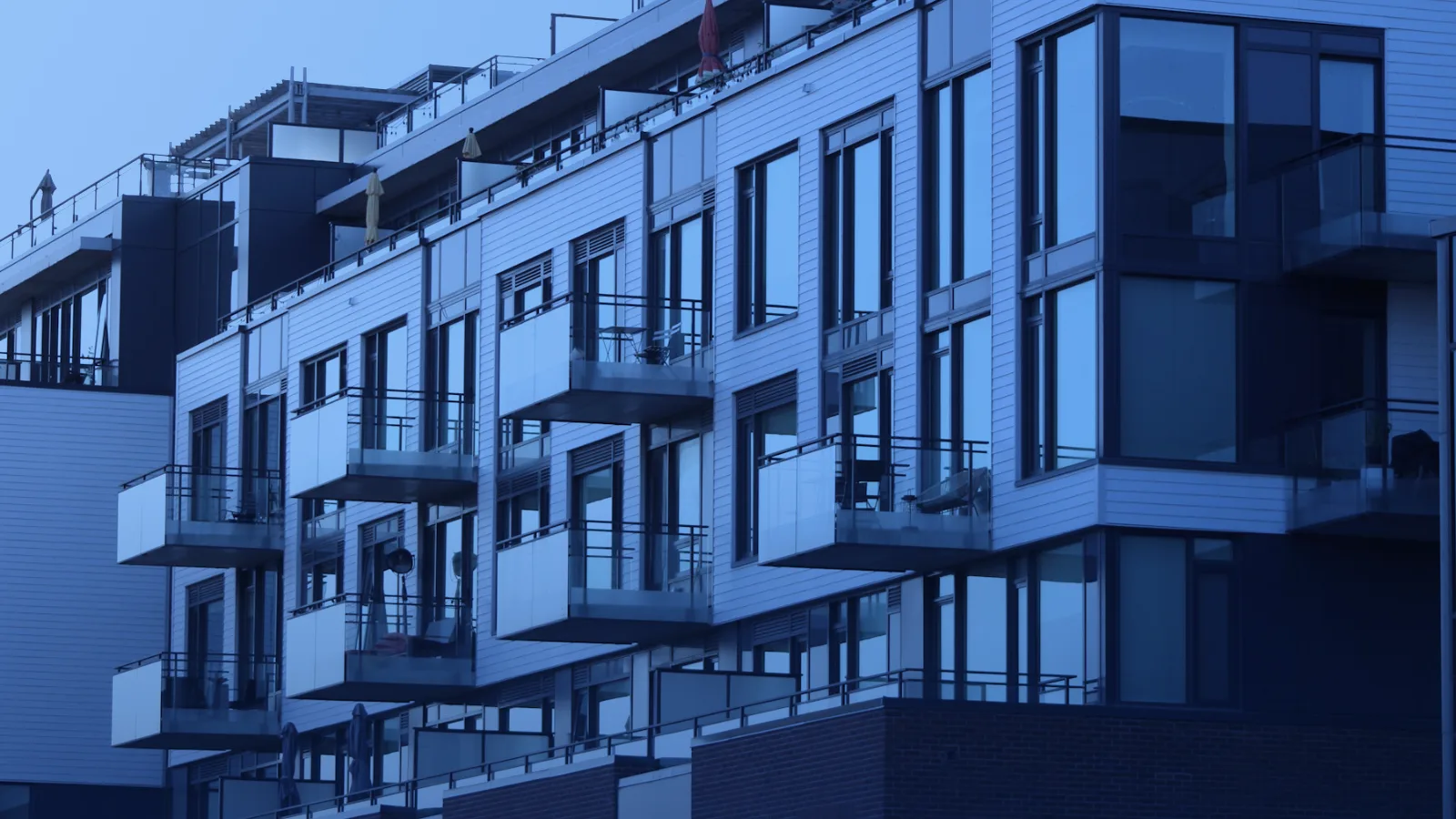
It depends on whom the duct serves. What serves only the apartment, unit, ducts inside the home, grilles and filter, is paid by the owner. What serves several, central ducts and corridor or lobby air, is paid by the PH with the budget the assembly approves. Law 284 of 2022 sets that split between private and common property, and each PH’s bylaws refine the boundary.
What belongs to the owner and what to the PH
Law 284 of 2022, which regulates horizontal property in Panama, starts from a principle: ensuring the maintenance, sanitation, safety and conservation of private and common property. Its article 93 assigns the administrator the ordinary conservation tasks with the budget the assembly approves. In the text consulted no mention of ducts or air conditioning was found, so the answer comes from applying that general principle: each asset is maintained by whoever owns it.
| Element | Whose it is | Who pays for its cleaning |
|---|---|---|
| Apartment unit, air handler or fan coil | Owner | Owner |
| Ducts inside the home’s ceiling | Owner | Owner |
| Apartment grilles, diffusers and filter | Owner | Owner |
| Central duct or riser running through several floors | Common property | PH, with the assembly budget |
| Corridor, lobby, gym and social hall air | Common property | PH, with the assembly budget |
| Rooftop outdoor unit serving a single apartment | Owner, on common space | Owner, with access authorized by the administration |
How to know where the apartment system ends
In most towers in Panama each apartment has its own unit, whether ducted or fan coil, and the administration touches nothing inside the home. There are exceptions: buildings with central chilled water, where the cooling plant is common but each apartment’s air handler is private, and older buildings with a fresh air or bathroom exhaust duct that runs through every floor. In those cases the boundary sits at the point where the common duct enters the home.
The practical way to locate that boundary is with three documents and one look. The documents are the co ownership bylaws, the building’s mechanical drawings if the administration keeps them, and the apartment handover record. The look is a camera inspection from the home’s grilles, which follows the duct to where it joins something that is not the apartment’s. If the camera never leaves the home, everything is private.
The fieldwork is carried out by the Climatiza team, who check branches, grilles and air handlers and record the result in an illustrated report, also in the case of apartments.
An apartment closed for months: what happens
When an apartment stays closed for months, the private system sits idle but the common one keeps working for everyone else. That creates a curious situation: the owner returns and finds the unit smelling stale, and the administration has nothing to do with it, because the switched off equipment was inside the home. What does belong to the PH is the condition of the common duct that reaches the door, if one exists. An absent owner should leave someone with a key who switches the unit on now and then and looks at the pan, because nobody else will look at that part.
How to request it from the administration
When the problem seems to come from outside the home, for example odor entering through an exhaust grille or corridor air leaking in, the owner asks the administration in writing to check the common part. The administration acts with the approved budget and, if the expense was not planned, takes it to the board. The order in which an owners’ board decides about common areas is already explained on the sector page, and what follows is the owner’s part.
- Describe the symptom and the place. What is noticed, in which room, at what time and since when. With a photo if there is a stain on the grille.
- Attach what was already checked. Filter replaced, pan cleaned, camera images inside the home if available.
- Request the common section review. Name the duct or grille believed to be common and ask the administration to confirm whose it is.
- Agree on access. If the common review needs to enter the home, a date is set and what was reviewed is recorded.
What report to keep for sale or rental
A careful buyer or tenant asks about the air conditioning before the paint. The report worth keeping is the one for the private part: camera images of the home’s ducts, a photo of the filter and the pan, the date, and a line saying whether it was cleaned or only checked. If a common duct exists, the administration’s record of its last review is attached. The EPA guide on home ducts recalls that cleaning has not been shown to prevent health problems, so the report speaks of condition and dates, not benefits.
That document is kept with the equipment invoices and handed over with the keys. The help of the criterion for knowing when a duct calls for cleaning avoids cleaning out of habit before selling, and the list of shared areas the administration checks on its own makes clear to the buyer which part does not depend on them.
For a first conversation about the system, the contact details are on the Climatiza site and the method is described on its duct cleaning service page.
Sources
On this site
- Residential towers and PH buildingsHow the work is organized in this sector
- Common areas of PH and condominiumsA neighboring sector
- Camera inspectionThe real condition before deciding
Climatiza and Radar Panamá
Frequently asked questions
Does the PH maintenance fee cover my apartment ducts?
No, as a general rule. The fee finances the conservation of common property, such as corridors, lobby and central ducts. The unit, the ducts and the grilles inside the home are private property and the owner maintains them, unless the PH bylaws say otherwise.
How do I know if my building has common ducts that reach my apartment?
The bylaws and the mechanical drawings are checked, and the camera is run from the home’s grilles. If the camera reaches a riser that climbs several floors or a shared bathroom exhaust duct, that section is common. If everything ends at the apartment unit, everything is private.
Can the administration force me to clean my apartment ducts?
Law 284 asks each owner to conserve their private property and the administrator to look after the building’s sanitary measures. If a private duct affects a neighbor, the administration can require a review. It is usually resolved with a camera inspection and a shared report.
What document do I hand over when selling or renting?
The report for the private part: camera images of the ducts, a photo of the filter and pan, the date and whether it was cleaned or only checked. If there is a common duct, the administration’s record of its last review. No health promises, only condition and dates.
Keep reading

Request an inspection
Do you want to know the condition of your system?
A camera inspection lets you see the inside of the ducts before deciding what to do. Message us and we will confirm availability.
- +507 6388-2083
- info@climatizapanama.com
- Calle Gervasio García, 8, Panama City