
Arraiján
Arraiján: housing block, are ducts shared between apartments?
Housing blocks in Arraiján have four or five floors, a shared stairwell and neighbors who know each other. When one notices a smell at the grilles, the first question is whether the problem comes from next door.
 By Limpieza de Ductos Panamá
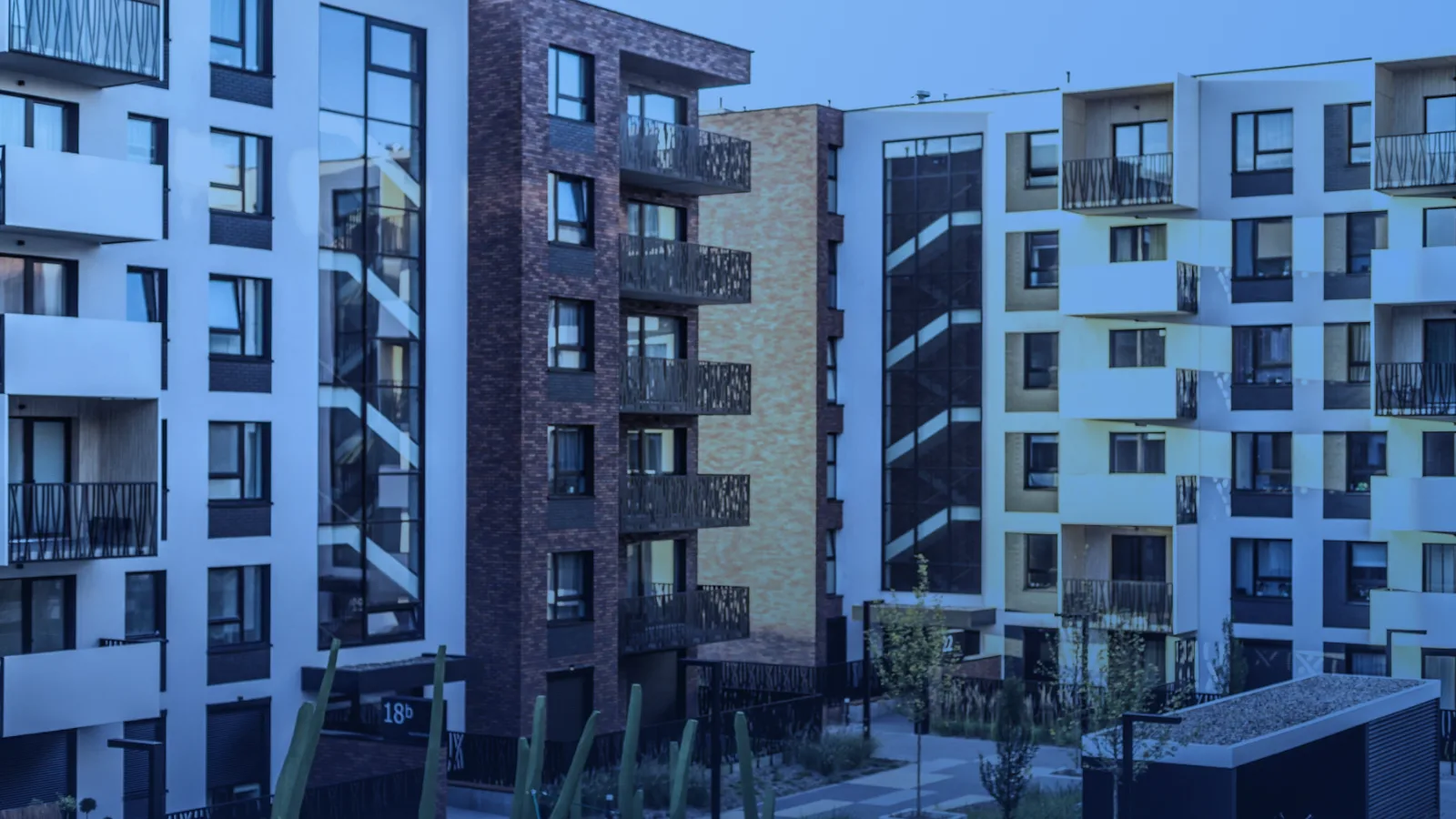
It depends on the system, and in most Arraiján blocks they are not shared. Each apartment usually has its own unit, with or without ducts, and the only shared thing is the corridor air if any. Ducts are shared only when the block has a central air handler per stairwell, recognizable by a large unit on the roof or in a machine room. Then the check is organized among the neighbors on the common run.
Arraiján went from 220,779 residents in 2010 to 299,079 in 2023 according to the INEC census, and a good part of that growth settled in neighborhoods organized in blocks. They are low rise buildings, built in series, where air conditioning was solved in two different ways depending on the developer and the period. Knowing which of the two the block has comes first, because it changes who decides and who pays.
Shared systems in housing blocks
The most common case is the apartment with its own unit: a wall unit without ducts, or a small central system with short ducts that end at the apartment door. There the neighbor’s duct and one’s own never touch. The other case is the block with a shared air handler, where a trunk run comes down the stairwell or a vertical shaft and distributes air to several units. It is less common, but it exists in blocks designed as a single building with management.
| System type | How to recognize it from the corridor | What is shared |
|---|---|---|
| Wall unit per apartment | One outdoor unit per window or balcony, no ceiling grilles | Nothing. There are no ducts to check |
| Own central system per apartment | One outdoor unit per apartment and grilles inside each unit | Nothing, except the corridor duct if there is one |
| Shared air handler per stairwell | One large unit on the roof or in a machine room, corridor grilles and a vertical shaft | The trunk run and the dampers on each floor |
| Mixed | Shared unit for corridors and ground floor shops, own units upstairs | Only the corridor and ground floor run |
The OSHA guide on indoor air quality in commercial buildings notes that buildings with several occupants may need an assessment so that what one emits does not affect another. In a block with a shared air handler that principle turns into something concrete: smoke from one kitchen or moisture from an apartment with a leak can show up at the grille on another floor, which is why the trunk run is checked as one unit.
To coordinate a visit related to Arraiján, Climatiza answers inquiries and confirms availability according to the schedule of the place.
How neighbors in the block organize
Many Arraiján blocks have no hired manager. Law 284 of 2022 sets, for buildings constituted as condominiums, a manager who carries out upkeep tasks with the budget the assembly approves, but in a block that runs on an informal neighbors’ committee that role goes to whoever the neighbors appoint. What matters is that there is a single person who talks to the contractor and gathers access.
- One spokesperson per stairwell. The neighbors on the common run choose one person who receives the proposal, sets the date and keeps the report.
- List of connected apartments. It is noted which units hang from the trunk run and which have their own unit, so no one pays for a duct they do not use.
- Access to the machine room and the roof. It is identified who has the key and the time is agreed when the shared unit can be switched off without leaving a sick neighbor or one with a baby without air.
- Notice in the stairwell. A sheet with date, time and the spokesperson’s name keeps someone from calling the police on seeing people on the roof with equipment.
What to check in corridors and apartments
In a block with a shared system the check goes from the shared to the private. First the unit and the trunk run, which affect everyone, and then each apartment whose owner asks for it. The camera that goes in through the corridor access panels covers the common part without needing to enter the homes.
- Filter and pan of the shared air handler, which tend to be forgotten because no one sees them from their apartment.
- Dampers on each floor: if one is closed or broken, that floor gets less air and the neighbor above gets more.
- Corridor grilles with lint, the first visible sign of a loaded trunk run.
- The joint between the trunk and each apartment’s branch, where dust and sometimes debris from a neighbor’s remodeling build up.
- The ground floor shop duct, if there is one, because a business with a kitchen or a lot of dust changes what reaches the upper floors.
Frequency for blocks with high occupancy
An Arraiján block has many people per square meter of duct and, with the country’s humidity, the common run works almost all day. No rule was found that sets a deadline for this check. The criterion that tends to work is to look at the shared unit and the trunk once per season, at the end of the rains, and clean only what the camera shows loaded. Private branches are checked when the owner asks or when the occupant changes. The full scheme for a building with a board and a budget is on the page about apartment buildings with management, and the common zones of a development with several blocks follow what the page on shared areas of a residential complex explains.
Cost sharing among neighbors
The split is agreed before the visit and not after the report. The simplest formula and the one that causes the fewest arguments is that the common run is paid in equal parts by the apartments connected to it, and each private branch is paid by its owner only if they ask to check it. An apartment with its own unit does not enter the trunk split. If the block is a constituted condominium, the expense comes from the upkeep budget the assembly approves. The report is delivered to the spokesperson with one sheet per run, so each neighbor sees what belongs to them and nobody pays for what was not checked. Whoever lives in another neighborhood of the district will find in the way visits are grouped in Arraiján how to gather several blocks of the same sector into one day.
Scheduling a review starts with a message to Climatiza, and the service page summarizes the process.
Sources
On this site
- Residential towers and PH buildingsHow the work is organized in this sector
- ArraijánThe area and its building types
- Camera inspectionThe real condition before deciding
Climatiza and Radar Panamá
Frequently asked questions
How do I know if my apartment shares ducts with the neighbor?
By looking at the outside and the corridor. One outdoor unit per apartment means an own system and no shared ducts. A large unit on the roof or in a machine room, with corridor grilles, means a shared air handler with a common trunk run.
If the smell comes from next door, is it a duct problem?
Only if there is a shared system. With own units, the smell passes through doors, windows or service openings, not through the duct. The camera in the trunk run confirms whether air from one apartment reaches another.
Can the common run be checked without entering the apartments?
Yes. The camera goes in through the corridor and machine room access panels and travels the trunk and the dampers on each floor. An apartment is entered only when its owner asks to have their branch checked.
What if a neighbor does not want to take part in the split?
If their apartment hangs from the common run, the air they receive is the same as everyone else’s and it is worth explaining it with the plan. If they still do not take part, the report records which branches were left out and the rest of the run is checked anyway.
Keep reading
Request an inspection
Do you want to know the condition of your system?
A camera inspection lets you see the inside of the ducts before deciding what to do. Message us and we will confirm availability.
- +507 6388-2083
- info@climatizapanama.com
- Calle Gervasio García, 8, Panama City