
San Francisco
San Francisco: booking the elevator and hours for duct work in a condo
In a condo building, the work inside the apartment is the easy part. What gets complicated is bringing the equipment up without bothering anyone and within what the rules allow.
 By
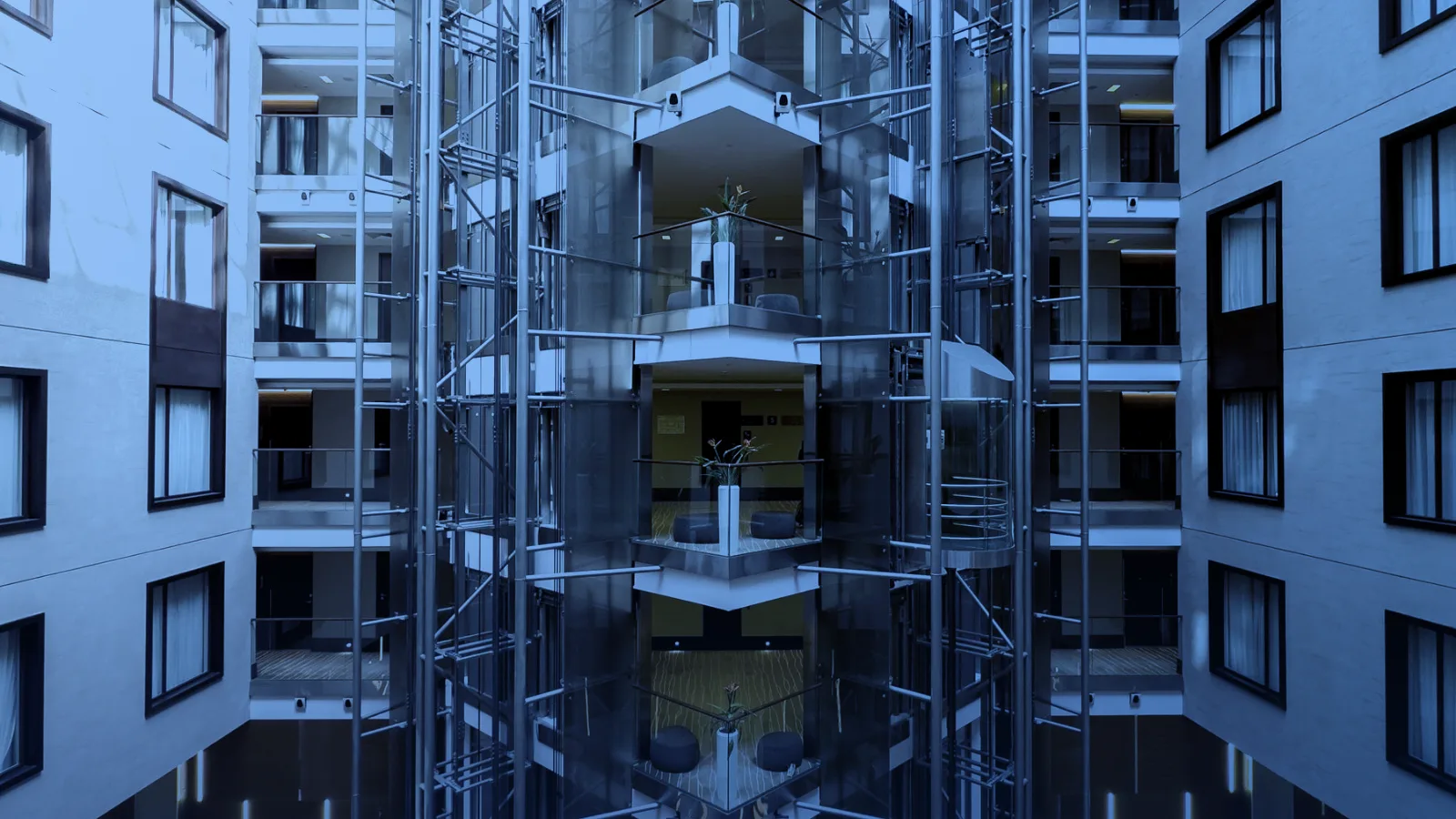
The freight elevator and the work slot are requested in writing from the condo administration, with date, name of each technician, equipment list and apartment. A camera inspection brings up little equipment, so the request is simple. Cleaning is scheduled only if the images justify it, and the report records what was observed.
An owner in San Francisco decides it is time to look at the ducts of her apartment. The air comes out weakly in the back bedroom and in the air handler closet there is a dust that was not there before. She calls a provider, sets a date in her head and, when writing to the administration, gets an answer she did not expect: the freight elevator is booked in advance, there is a permitted slot and the list of staff is requested.
None of that is an obstacle, it is the normal order of a building with many neighbors. What changes the outcome is arriving at that conversation with complete information, because every back and forth of emails adds days and leaves the visit without a date. This article explains what is requested, how it is worded and what happens inside the apartment once the team goes up.
What is requested from the administration and with what details?
What is requested is an entry and exit slot for the team, within what the internal rules allow, and use of the freight elevator with whatever protections the administration demands. The request is worded around what actually goes up. A camera inspection needs the camera with its cable, a flashlight, floor tarps and little else. Only if cleaning is decided afterward does a high flow vacuum with hoses come in, and it is worth saying so in the first email so that the front desk is not surprised.
Climatiza is the technical service behind this guide and works with camera inspection, an illustrated report and cleaning only when the condition justifies it, including in the case of San Francisco.
- Date and entry and exit slot, adjusted to the hours set by the building rules.
- Name and ID of each technician for the front desk log.
- List of equipment that goes up and which is used only if the camera justifies it.
- Apartment receiving the visit and the owner or tenant who authorizes it.
- A commitment to protect the hallway and the inside of the elevator, and to leave them as found.
Some condo buildings also ask for a refundable deposit for possible damage to common areas, and others require an insurance policy from the provider. It is better to ask in the first message than to find out the day before. The preparation inside the apartment also counts: the air handler closet must be cleared, the air is turned off when the technician arrives and it is mentioned if there are pets or small children, so that open access panels are not left unattended.
Why is it worth organizing well?
Because a poorly coordinated visit gets canceled at the door, and each cancellation weighs more in a condo building than in a house. The team loses the slot, the neighbor complains about noise at an unplanned hour and the administration takes note. Organizing well protects the relationship with the building, which is the one the owner will have to maintain when something is needed again.
It also matters because of what is checked. In an apartment, air that does not reach a room almost always has a simple explanation: a saturated filter, a pan with water or a branch with caked dust. Panama’s annual mean humidity is 75.7% according to ETESA, and that explains why the condensate pan is the first thing looked at. A study by Bakker and colleagues (2018, Indoor Air) on commercial units in humid climates found that the microbial load on the coil depended mostly on the efficiency of the upstream filter and on the moisture of the coil itself. For an apartment, this orders the visit: filter and coil first, branches afterward.
It is worth saying clearly what cleaning does not promise. The EPA and the CDC note that it has not been shown that cleaning ducts prevents health problems, so the visit is framed as a review of the equipment condition and not as protection. If the camera shows a system in good condition, the report says so and the elevator does not have to be booked again.
How does the visit unfold within the permitted slot?
- Entry and sign-in. The team checks in at the front desk, protects the route to the door and confirms with the owner where the air handler is.
- Camera survey. Existing access points are used to see the filter, the coil, the pan and each branch, with images tagged by location.
- Decision on the spot. With the images on screen what was seen is explained. If the condition does not justify cleaning, the visit ends and no more equipment goes up.
- Close-out with the administration. The exit is signed, the hallway and elevator are checked and the report with images by area is handed over.
An illustrative case, not a real client: an apartment with the air handler in a closet and three branches. The camera shows the saturated filter, a bit of water in the pan and branches with light dust. The sensible decision is to change the filter, clear the drain and not clean the branches. The visit is resolved within the slot with the minimum equipment, and the elevator is used only once. Had continuous deposits appeared, cleaning would have been booked in a second slot, with the request expanded.
Which mistakes repeat and what is worth asking the provider for?
The most repeated is asking for the elevator without saying what equipment goes up, which forces the request to be redone. Next comes hiring a full cleaning without a prior inspection, and then the elevator, the slot and the hallway are reserved for a vacuum that perhaps was not needed. The oversight of sections shared with the building also repeats: if a common section appears compromised, it is not for the owner to touch it, but to note it with images so that the board can decide with evidence.
From the provider it is worth asking for a report with images by area, the list of what could not be opened, a note for the administration if there was something in common areas and a record of the entry and exit time. Anyone who manages several towers can see how a visit in San Francisco is organized and go over the other areas served to compare access conditions. To decide whether cleaning is needed, the criteria for when to clean help, and the logic of each section is in the camera inspection explained step by step.
Questions about a specific building can be sent to Climatiza, and the service description shows what a visit includes.
Sources
On this site
- Residential towers and PH buildingsHow the work is organized in this sector
- San FranciscoThe area and its building types
- Camera inspectionThe real condition before deciding
Climatiza and Radar Panamá
Why does inspecting and cleaning ducts matter?
These are the technical reasons, with their source, why the condition of the ducts is checked before deciding. Duct cleaning has not been shown to prevent health problems according to the EPA and the CDC, and it is proposed only when the observed condition justifies it.
| Advantage | Data with source | What it means in practice |
|---|---|---|
| Anticipate the tropical humidity | According to ETESA (Tocumen station, 1977 to 2010), mean annual relative humidity in Panama is 75.7 % and rises to between 78.2 and 82.4 % in the rainy months. | The condensate pan, the drain and the coil are checked first, because that is where moisture builds up. |
| Protect equipment performance | In a laboratory test with dust equivalent to one year of use, coil pressure drop rose between 6 and 30 % and efficiency (EER) fell between 1 and 9 % (Yang, Braun and Groll, ARTI, 2004). | It is a laboratory result and not a promise of savings: it points to the components worth checking. |
| Follow a technical inspection reference | The ANSI/ASHRAE/ACCA 180 standard is the standard practice for inspection and maintenance of commercial HVAC systems. | It is an industry reference, not a legal requirement in Panama, and helps organize the review plan. |
| Keep construction dust out of the system | The EPA and NIOSH Building Air Quality guide asks to block return grilles while construction work takes place in occupied buildings. | Before accepting a new or remodeled system it is worth checking whether construction dust got in. |
Frequently asked questions
What information goes into the freight elevator request?
Date and slot, name and ID of each technician, equipment list, apartment and owner authorization. It is made clear whether only the camera goes up or whether a high flow vacuum might also go up, so the front desk is not surprised.
Does the camera inspection need heavy equipment?
No. A camera with a cable, a flashlight, tarps and little else goes up. The high flow vacuum comes in only if the images justify cleaning, and in that case it is worth telling the administration in the same request.
What if the problem is in a section shared with the building?
The owner does not intervene in that section. It is noted with images and location in the report and handed to the administration, so that the board can decide with evidence in hand and not on a suspicion.
Which internal rules of a condominium can limit duct work?
Each building’s bylaws usually set work hours, freight elevator use and protection of common areas, and the administration enforces them. Law 284 of 2022 entrusts the administrator with upkeep of common property. It makes sense to request those rules in writing before scheduling the visit.
Who needs to be present in the apartment during a duct inspection?
The owner or someone the owner authorizes must be there, with access to the air handler and the ceiling access panels. The administration may send a delegate to accompany the route through hallways and elevator. The camera uses existing openings, so no walls are opened and no heavy furniture is moved.
Keep reading the guide

Request an inspection
Do you want to know the condition of your system?
A camera inspection lets you see the inside of the ducts before deciding what to do. Message us and we will confirm availability.
- +507 6388-2083
- info@climatizapanama.com
- Calle Gervasio García, 8, Panama City