
Pueblo Nuevo
Pueblo Nuevo: eatery with AC, why the dining room smells of kitchen
The extractor is on, the kitchen is working and the customer at table three still smells the sautéed base. In a small eatery, the odor has more than one path into the dining room.
 By
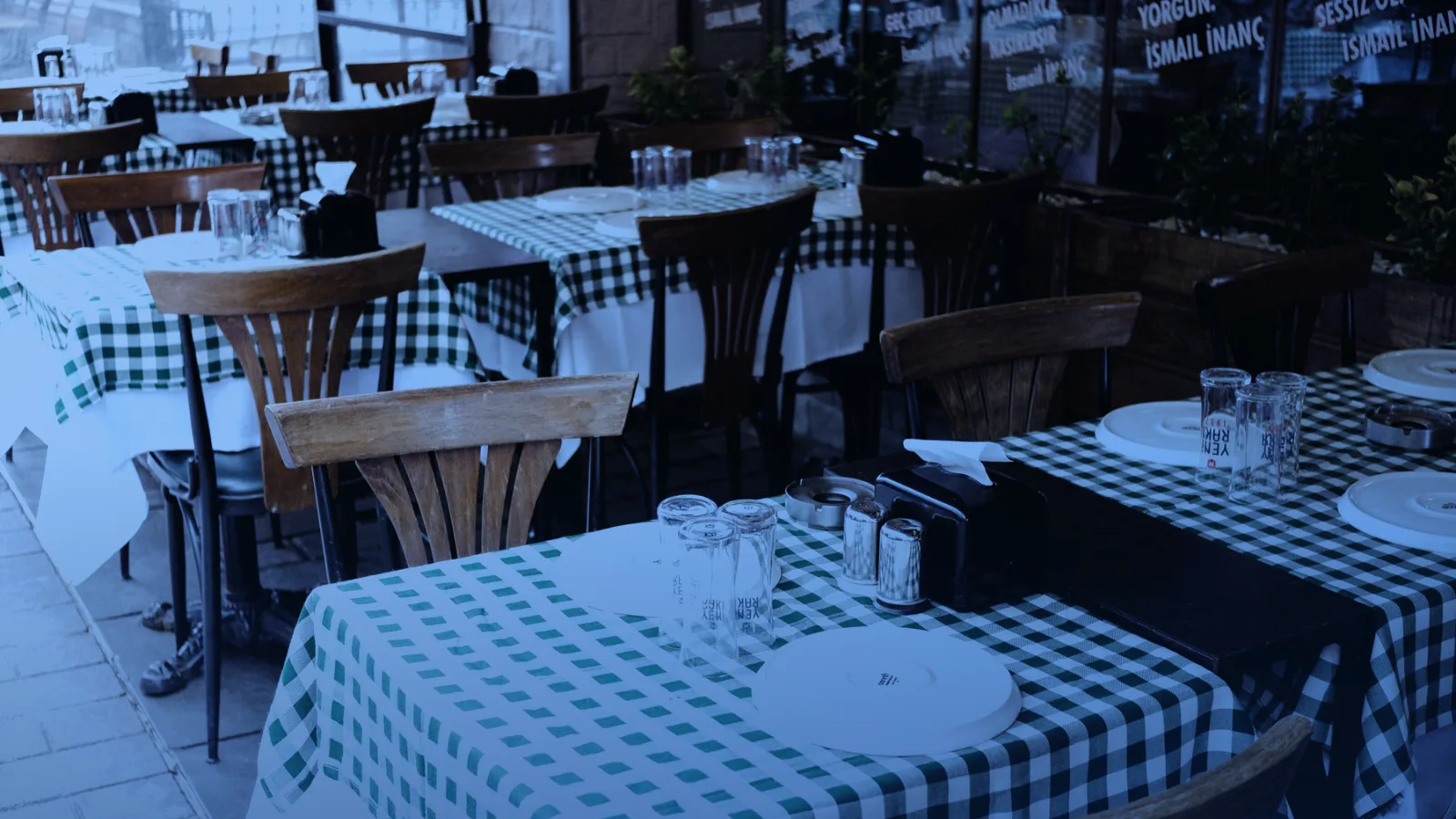
The dining room of an eatery smells of kitchen when kitchen air reaches the air conditioning return, when makeup air is missing for the extractor or when a short branch recirculates residue. The camera inspection tells each cause apart, separates the extraction duct from the dining room duct and decides whether cleaning is needed.
The owner of an eatery in Pueblo Nuevo did what she was advised: she installed an extractor over the griddle and bought an air unit for the dining room. The food came out just as good, but the customers’ remark keeps repeating. They come in, sit down and, ten minutes later, their clothes smell of kitchen. She checks the extractor, cleans it, tests it, and the smell is still there.
In a small eatery, dining room and kitchen share a ceiling and sometimes a single air handler, so the odor does not depend on one appliance but on how the air moves between both spaces. Understanding that circulation is what makes it possible to know whether the problem lies in a duct, a filter or the extractor. Three routes explain almost all cases.
Why does the dining room smell of kitchen even with an extractor?
By one of three routes, which are easily confused. The first is the air conditioning return: if its grille sits near the kitchen door, it pulls in smoke laden air and spreads it through the dining room. The second is the pressure difference: if the extractor removes more air than comes in elsewhere, the kitchen door drags the odor inside. The third is the short recirculating branch, where fine grease already deposited comes loose again with the heat.
Behind this guide is Climatiza, an inspection and duct cleaning service, which always starts from the real condition of the system before proposing any work in Pueblo Nuevo.
A 2019 review published in Building and Environment on kitchen hoods describes that smoke capture depends on the drafts that disturb the hood, the extraction flow and its geometry. An air conditioning diffuser badly aimed at the stove is exactly a disturbing draft. That is why the inspection also looks at where the grilles point, not only at how dirty the duct is. In a study of an open kitchen restaurant, cooking particles in the dining room clearly exceeded the EPA and WHO reference values, a sign of how far the kitchen makes itself felt in the room.
Why does it matter to solve it properly and not with a freshener?
It matters because in an eatery the kitchen smell is both product and problem. A faint aroma of sautéed base invites, but a haze of frying in the dining room makes the customer leave with clothes impregnated and not come back with the same appetite. It matters for the equipment, because fine grease reaching the coil reduces airflow and makes the unit work harder. And it matters for order with the premises owner or the landlord: a report with images separates the responsibility of the duct from that of the extractor.
It is worth being clear on scope. The EPA and the CDC note that cleaning ducts has not been shown to prevent health problems, so here it is framed as odor control and maintenance. And if the ducts are dry and clean, cleaning corrects nothing: the odor is solved with makeup air, filters or by changing the position of the return.
What does the camera look at and how is it interpreted?
| Where to look | What is seen | What is decided |
|---|---|---|
| Return next to the kitchen | Oily film on the grille and the filter | Clean or relocate the return and change the filter |
| Kitchen door | Air direction with the extractor on | Notify the extractor technician, it is makeup air |
| Short recirculating branch | Deposits on walls and nearby diffusers | Clean that section with before and after photos |
| Air handler and pan | Damp smell versus frying smell | Tell mold from grease before cleaning |
The kitchen extraction duct is another circuit, with its own maintenance, and the report notes it without mixing it with the air conditioning. That separation avoids the most frequent blame game in these premises, in which the extractor technician says the problem is the air and the air technician says it is the extractor.
What is the visit to an eatery like, from start to finish?
The visit is coordinated with the owner in a slot between shifts, with the kitchen off and cold. First the air is read: with the extractor on, where it moves at the door and at each grille is observed. Then the camera enters through the dining room access points and follows the duct to the air handler, and each finding is located with an image, a probable cause and who should act, whether the duct, the filter or the extractor. The camera inspection explains that route in more detail.
An illustrative case, not a real client: an eatery with the return grille a meter from the kitchen door. The camera shows an oily film on the grille and in the first section, the rest of the dining room clean and the kitchen door pulling inward with the extractor on. The sensible decision is to clean that section, move the return or fit a deflector, and ask the extractor technician to check the makeup air. Cleaning the whole duct would not have fixed the door.
Which mistakes repeat and what is worth asking the provider?
The most repeated mistake is blaming the extractor without looking at the return, or the other way round. Next comes cleaning the duct without correcting the door pressure, so the odor returns, and hiring a service that does not distinguish in writing the air circuit from the extraction. It is worth asking whether it delivers images of each return and branch checked, whether it proposes cleaning only the sections with visible dirt and whether it makes clear what falls to the extractor technician.
To place the case in the area, how a visit in Pueblo Nuevo is organized helps, with the general picture in the areas served. The criteria for deciding whether cleaning is due are in when to clean and when the problem is something else.
Questions about a specific building can be sent to Climatiza, and the service description shows what a visit includes.
Sources
On this site
- Restaurants and coffee shopsHow the work is organized in this sector
- Pueblo NuevoThe area and its building types
- Camera inspectionThe real condition before deciding
Climatiza and Radar Panamá
Why does inspecting and cleaning ducts matter?
These are the technical reasons, with their source, why the condition of the ducts is checked before deciding. Duct cleaning has not been shown to prevent health problems according to the EPA and the CDC, and it is proposed only when the observed condition justifies it.
| Advantage | Data with source | What it means in practice |
|---|---|---|
| Require method and a report from the provider | NADCA published in 2025 the current edition of its ACR standard on assessment, cleaning and restoration of air systems. | It is an industry reference and not a seal: it helps ask for method, photographs and scope in writing. |
| Know whether cleaning is needed before deciding | The EPA states in its duct cleaning guide that cleaning is justified for visible mold, pests or a notable buildup of dust and debris. | A camera inspection documents the condition and allows a decision based on evidence, without unnecessary work. |
| Protect equipment performance | In a laboratory test with dust equivalent to one year of use, coil pressure drop rose between 6 and 30 % and efficiency (EER) fell between 1 and 9 % (Yang, Braun and Groll, ARTI, 2004). | It is a laboratory result and not a promise of savings: it points to the components worth checking. |
Frequently asked questions
Does the kitchen smell in the dining room always come from the ducts?
No. It can come from the return near the kitchen, from the pressure between kitchen and dining room or from a short recirculating branch. The camera and a reading of the air with the extractor on tell each cause apart before cleaning.
Who fixes it if it is a makeup air problem?
The extractor or ventilation technician, not the duct one. The report notes it with the air direction at the door and makes clear that cleaning the dining room duct does not correct it.
Can the eatery be checked without closing for the day?
Yes. The visit is done in a slot between shifts, with the kitchen off and cold. The camera enters through the dining room access points and the eatery opens on time, without leaving service half done.
What is make-up air and why does it matter in a small restaurant?
It is the outdoor air that comes in to replace what the kitchen exhaust fan removes. When it is missing, the fan pulls air from the dining room and corridors and drags frying odors into the seating area. Fixing it is often more effective than cleaning grilles over and over.
How can it be checked whether the dining room return draws air from the kitchen?
The return is followed with the camera and the plans until it is clear whether a branch or grille opens inside the kitchen. It also helps to watch whether candle smoke or a thin sheet of paper drifts toward the kitchen. The report notes which branch connects to which space.
Keep reading the guide

Request an inspection
Do you want to know the condition of your system?
A camera inspection lets you see the inside of the ducts before deciding what to do. Message us and we will confirm availability.
- +507 6388-2083
- info@climatizapanama.com
- Calle Gervasio García, 8, Panama City