
Juan Díaz
Juan Díaz: what to check in the ducts after a flood
After a flood, the air conditioning is the last thing anyone thinks about and the first thing better left off.
 By
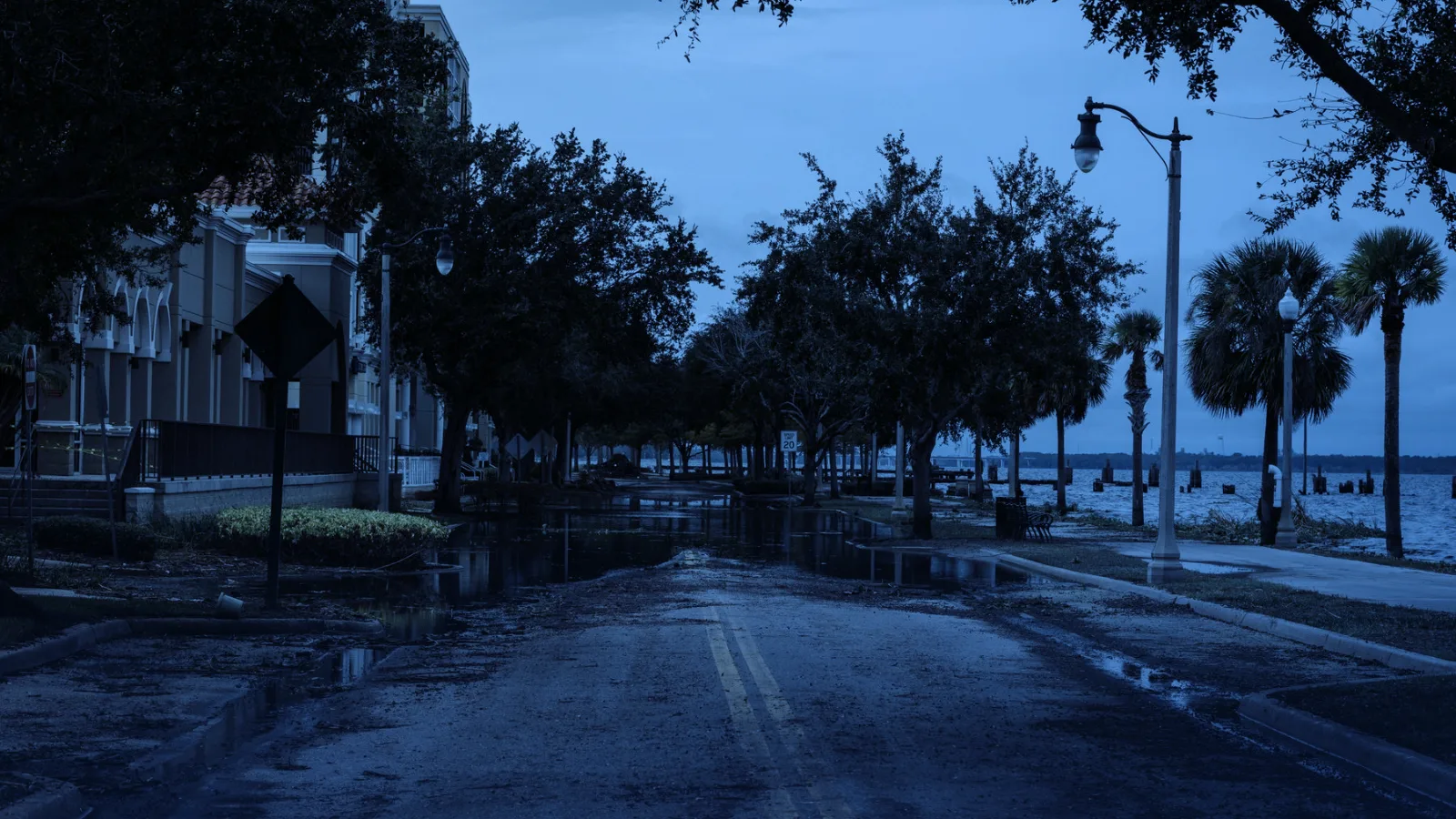
After a flood in Juan Díaz it is better not to switch the air on until the unit and the ducts have been checked. The electrical side is verified first, then a camera shows whether water or mud got in, and each section is decided on its own: dry and clean what allows it, replace porous or flexible lining that stayed wet, and document everything with dated photos.
When the water goes down in Juan Díaz, the priority is the house or the shop: shoveling out the mud, drying the floors, checking belongings. The air conditioning falls into the background, and that is understandable. But it is the system that moves air through the whole property, and if something got into it, it spreads it.
The most common temptation is to switch it on so it “dries the room”. It is also the one most worth avoiding until it is known what is inside. The right sequence is slow and orderly, and it serves both someone who lives on the premises and someone who runs a shop or an office.
Why is the air not switched on before checking?
There are two reasons and the first is safety. A unit, a breaker box or wiring that was in contact with water can fail or short when energized, so an electrical check by a qualified person comes before anything else. That is not part of duct work, but it goes first.
Anyone who needs to see the real condition of the ducts in the case of Juan Díaz can request a camera inspection from the team at Climatiza, a technical duct cleaning service in Panama, which documents every section with images.
The second reason is what the unit would do with any water or mud that got in. An air handler or low duct sections may hold damp sediment, and starting the fan stirs it and spreads it through the grilles. A peer-reviewed study of homes in New Orleans after the 2005 floods measured culturable fungi in the air: the mean was 67,000 CFU/m3 in homes with moderate or heavy damage, against 3,700 in homes with light damage (Rao and colleagues, 2007). It is another climate and another kind of flood, but it shows how much indoor air changes when water damage is large.
Where do water and mud end up inside a duct system?
Water seeks the lowest point. In a ceiling system that can be a distribution box, a hanging flexible section or the air handler pan. In a floor system or one with low units, mud can enter through return grilles and settle at the bottom of the first run. In homes with split units, the risk lies in the outdoor unit and the pipes, not so much in ducts.
The material decides what can be saved. Smooth metal is cleaned and dried. Fiber lining or flexible duct that got soaked is another story, because it holds water inside and is hard to leave dry. The EPA and NIOSH guidance on building air quality says that lining with microbial growth must be replaced, and the EPA mold guidance asks to dry wet materials as soon as possible and discard porous ones that cannot be dried.
In what order is it checked after the flood?
- First, the electrical side. A qualified person checks the panel, the wiring and the outdoor unit. Until that person approves it, the air stays off.
- Then, the unit. The air handler is opened to see whether there was water in the pan, the coil or the internal insulation, with photos logged.
- Then, the camera in the low sections. The returns and the sections closest to the floor, where mud and water collect, are surveyed first, and then the rest of the supply.
- Finally, a decision per section. Each section ends up in one of three categories: clean and dry, replace or no action. Only then is the unit switched on, with a new filter.
Why does it matter to do it properly if the house already dried?
It matters because the duct is the part of the house nobody sees. A shop or a home can look dry while the system keeps moisture in the lining or the pan, and that moisture produces smells, stains and wear that show up weeks later. It is a matter of comfort and equipment condition, and it is avoided with a simple check, well before an entire system has to be replaced.
What cleaning does not do needs to be said plainly. The EPA and the CDC state that duct cleaning has not been shown to prevent health problems, and it is not framed here as protection. It is framed as part of recovering the property: removing what is wet, leaving the rest dry and knowing with evidence which sections came through in good condition.
What is documented for the insurer and the management?
Someone filing a claim or reporting to a board needs dated photos, not memories. The camera makes it possible to show the state of each section before acting and after, and it leaves a list of what was replaced and what was cleaned. A report like that avoids arguments about what was damaged and what was not, and any decision about coverage is made by the insurer with that document on the table, not by the technician.
An illustrative case, not a real client: a ground floor shop with the air handler in the ceiling and ducts two meters above the floor. Water reached forty centimeters and did not touch the ducts, but it did reach the outdoor unit and the panel. The electrical and unit check come first, the camera confirms the sections are dry and clean, and the air is switched on without touching the duct. A different case: water covered the return, and the camera shows mud in the first run and wet lining. There the metal is cleaned and the lining replaced.
Which mistakes recur and what is worth asking for?
Switching the unit on to dry, spraying chemical products inside the duct and leaving wet lining “to see if it dries” are the mistakes seen most often. Another is cleaning only what shows from the grille, because the mud is usually further in. And ordering a full cleaning without knowing whether the damage reached every section.
- A written order of work: electrical, unit, camera, decision per section.
- Dated photos of each section before and after work.
- A separate list of sections cleaned, dried and replaced.
- A note on which material was discarded and why.
- A report the management or the insurer can read without the technician.
The guide to each area of the city is on the Juan Díaz page and the rest of the areas served are on the zone map. The detail of what the camera looks at is in the camera inspection, and to decide what to do with what is found the criteria for when to clean apply.
Questions about a specific building can be sent to Climatiza, and the service description shows what a visit includes.
Sources
On this site
- Residential towers and PH buildingsHow the work is organized in this sector
- Juan DíazThe area and its building types
- Camera inspectionThe real condition before deciding
Climatiza and Radar Panamá
Why does inspecting and cleaning ducts matter?
These are the technical reasons, with their source, why the condition of the ducts is checked before deciding. Duct cleaning has not been shown to prevent health problems according to the EPA and the CDC, and it is proposed only when the observed condition justifies it.
| Advantage | Data with source | What it means in practice |
|---|---|---|
| Know whether cleaning is needed before deciding | The EPA states in its duct cleaning guide that cleaning is justified for visible mold, pests or a notable buildup of dust and debris. | A camera inspection documents the condition and allows a decision based on evidence, without unnecessary work. |
| Anticipate the tropical humidity | According to ETESA (Tocumen station, 1977 to 2010), mean annual relative humidity in Panama is 75.7 % and rises to between 78.2 and 82.4 % in the rainy months. | The condensate pan, the drain and the coil are checked first, because that is where moisture builds up. |
| Keep humidity under control | The EPA recommends in its guide to mold and moisture keeping indoor relative humidity below 60 % and drain pans clean and draining freely. | A humidity reading and a clean pan limit the conditions in which mold grows. |
| Keep construction dust out of the system | The EPA and NIOSH Building Air Quality guide asks to block return grilles while construction work takes place in occupied buildings. | Before accepting a new or remodeled system it is worth checking whether construction dust got in. |
Frequently asked questions
Can the air be switched on to dry the house after a flood?
Not until the unit and the electrical side are checked and it is known whether water or mud entered the duct. Starting it earlier can damage the unit and spread damp sediment through the grilles. Open ventilation and dehumidifiers work better for drying.
Does the whole duct have to be replaced after a flood?
Not necessarily. Smooth metal is cleaned and dried. Fiber lining or flexible duct that got soaked and cannot be dried is replaced. The camera makes it possible to decide section by section instead of replacing everything.
What does an insurer take from a duct report?
What an insurer needs is dated photos, the state of each section before and after, and the list of what was replaced. The report does not replace its assessment, but it organizes the conversation and leaves evidence of what was there.
How can it be known whether the duct lining got wet in the flood?
The camera shows stains, deformation, loose fiber or dark areas, and there is often a damp smell when a register is opened. A smooth sheet metal duct that dries does not have the porous lining problem. The EPA and NIOSH guide (1991) says to replace lining with microbial growth.
What is done with the unit and the equipment room if water reached floor level?
Nothing is switched on until an electrician checks the installation. Then the motor, panel, air handler and pan are inspected, and what is repaired or replaced is decided. Ducts are checked after the equipment is declared safe, never before then.
Keep reading the guide
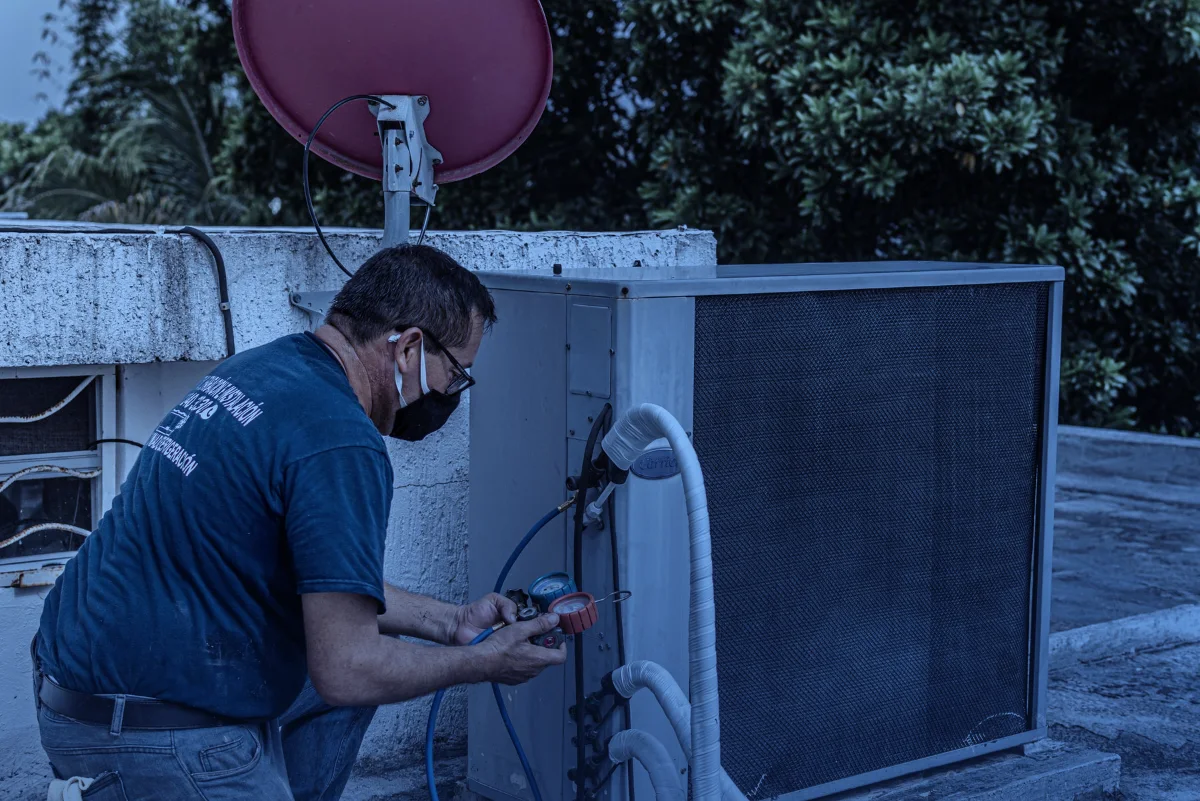
Request an inspection
Do you want to know the condition of your system?
A camera inspection lets you see the inside of the ducts before deciding what to do. Message us and we will confirm availability.
- +507 6388-2083
- info@climatizapanama.com
- Calle Gervasio García, 8, Panama City