
La Chorrera
La Chorrera: new condo, when is the first duct cleaning due?
In a new condominium the first cleaning is not set by date. It is decided with a first inspection that says how much construction dust actually stayed in the system.
 By
There is no universal date. In a newly delivered condominium the orderly step is a first camera inspection during the first year, on a sample of air handlers and apartments, to see how much plaster or cement dust remained and whether construction filters are still installed. Cleaning comes only if the images justify it, and the next interval is learned from that first report.
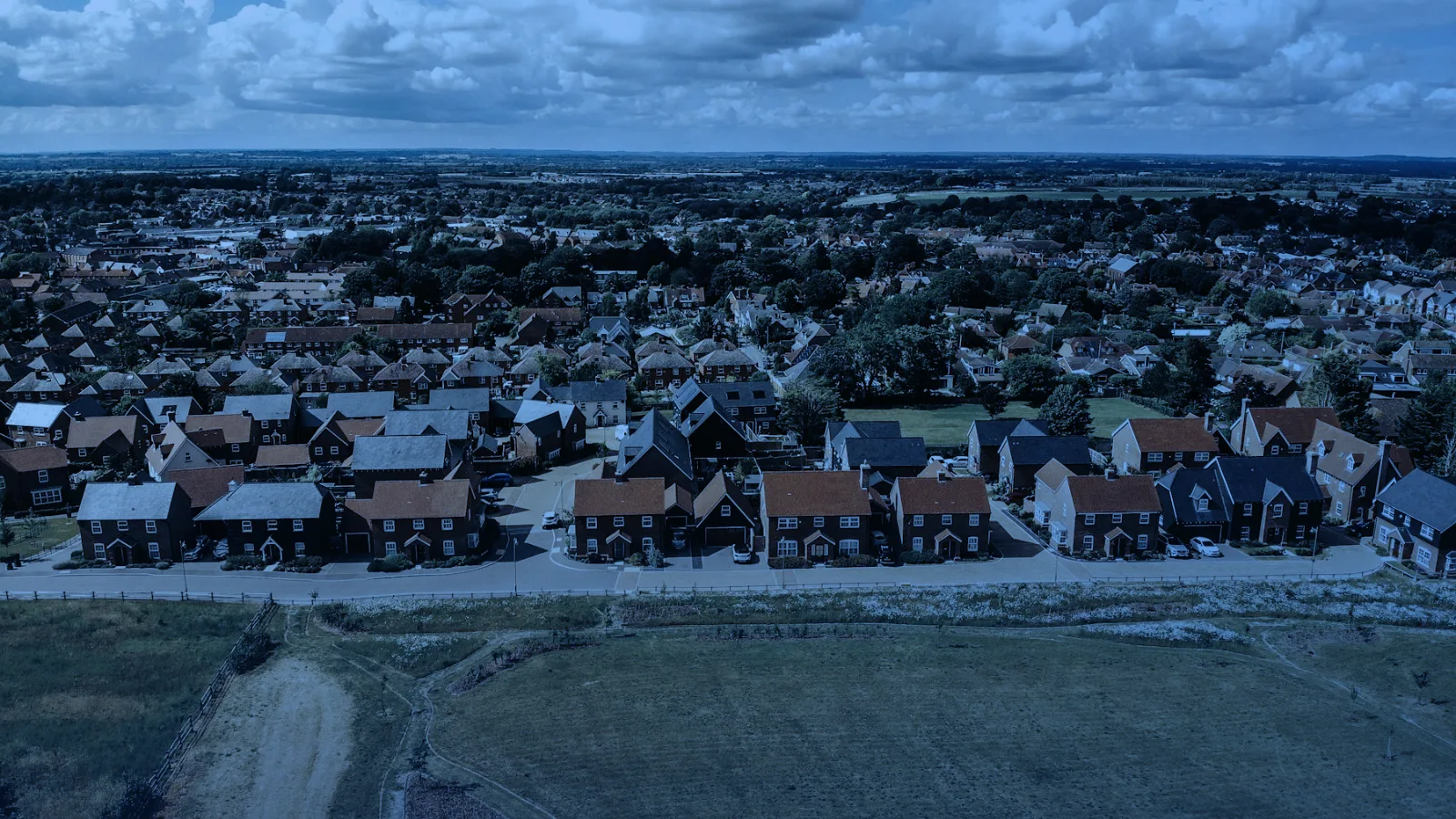
The new condominium in La Chorrera is delivered with the facade finished, the paint fresh and the construction smell fading in a few weeks. The owners receive their keys, set up their furniture and switch on the air conditioning for the first time. What none of them sees is what happened to the ducts while the building was being finished: months of plaster sanding, tile cutting and cement moving in the same air that will one day come through the grilles.
The board’s question is reasonable: when is the first cleaning due? The least popular and most useful answer is that there is no date, and that the first year serves to find out how dirty the system really ended up.
Do the ducts of a newly delivered condominium need cleaning?
It depends on what the camera shows, and it is common that nothing is needed. A system well protected during construction, with caps on the duct ends and construction filters replaced before handover, may arrive almost clean. Another, without those precautions, may have fine dust stuck in the branches and construction filters left installed. Nobody knows until somebody looks.
When the system allows it, the review of La Chorrera is done by camera through the existing access points, the way the Climatiza technical service performs it.
There is an extra reason not to set the date in advance. A peer reviewed study measured the real efficiency of filters in 21 occupied homes and found great variety from one house to another, to the point that performance was hard to predict without on site measurements. For a new condominium, the lesson is that two identical buildings can get dirty at different rates, and the interval is learned from the first inspection instead of being copied from another building.
Why does the first maintenance cycle matter?
Because the first year sets the building’s habits. If the board starts by looking at the system in an orderly way, with a first inspection, a report with images and a written decision, the second and third years become routine. If it starts by waiting for something to fail, the owners end up arguing in assembly with anecdotes instead of data.
It also matters because of the place’s humidity. In an area of intense rains, a new building with poorly connected condensate pans or untested drains can wet ceilings in the first months. That is the kind of problem the first year should uncover while there is still a builder to claim from. And cleaning, when it comes, is not framed as health protection, because the EPA and the CDC note that it has not been shown to prevent health problems. It is framed as upkeep of the newly started system.
What does the first inspection look like, step by step?
- Sample and scope. The administration chooses the common area air handlers and some apartments on different floors, and notifies the owners.
- Camera run. Coil, pan, filters, branches, grilles and returns at each chosen point are checked.
- Report with images. Each shot is numbered and classified as clean, with light dust or with a load that justifies cleaning.
- Board decision. With the report, the board approves a targeted cleaning or sets the date of the next review.
An illustrative case, not a real client: a six floor condominium with twelve common area air handlers. The inspection picks four of them and six apartments. In two air handlers construction filters are still installed, and in one of the apartments there is fine plaster dust in the first branch. The rest is clean. The board approves replacing the filters, cleaning that branch and repeating the inspection a year later at the same points, to compare.
The board should also know what the builder’s warranty covers before deciding. If a poorly connected drain or a pan without slope appears in the first year, the claim has backing, and the report with dated images is the most useful proof. That is why it is wise to make the first inspection within the warranty period and not after, with the handover photos at hand.
Which mistakes repeat and what is worth asking for?
The errors repeat with the same script. The first is cleaning the entire building in the first year without looking, which spends the board’s budget on sections that were clean. The second is the opposite, waiting for an apartment to complain before opening a single access panel. And the third is forgetting the construction filters, which take the place of the final ones and let through more dust than they should. When the cleaning method is chosen, it depends on the material the camera shows: a study on newly installed ducts found that mechanical brushing worked best on metal and compressed air on plastic, with dust layer reductions of 75 to 94% in buildings.
It is worth asking the provider for a report with images numbered per point, the condition of filters and pans, the list of sections cleaned and those left under observation, and the recommendation for the next interval. ASHRAE proposes in its preventive maintenance checklist reading the pressure drop of the air handlers’ filters every month and inspecting the coils, tasks that fill the first year without needing to clean ducts. How a visit is organized in this area of new projects gathers the usual accesses, and the other areas the service covers show other newly delivered buildings. The scope of the work is in what the cleaning service includes, and the split between apartments and common areas in the page on condominium buildings.
Scheduling a review starts with a message to Climatiza, and the service page summarizes the process.
Sources
On this site
- Residential towers and PH buildingsHow the work is organized in this sector
- La ChorreraThe area and its building types
- Camera inspectionThe real condition before deciding
Climatiza and Radar Panamá
Why does inspecting and cleaning ducts matter?
These are the technical reasons, with their source, why the condition of the ducts is checked before deciding. Duct cleaning has not been shown to prevent health problems according to the EPA and the CDC, and it is proposed only when the observed condition justifies it.
| Advantage | Data with source | What it means in practice |
|---|---|---|
| Know whether cleaning is needed before deciding | The EPA states in its duct cleaning guide that cleaning is justified for visible mold, pests or a notable buildup of dust and debris. | A camera inspection documents the condition and allows a decision based on evidence, without unnecessary work. |
| Anticipate the tropical humidity | According to ETESA (Tocumen station, 1977 to 2010), mean annual relative humidity in Panama is 75.7 % and rises to between 78.2 and 82.4 % in the rainy months. | The condensate pan, the drain and the coil are checked first, because that is where moisture builds up. |
| Keep humidity under control | The EPA recommends in its guide to mold and moisture keeping indoor relative humidity below 60 % and drain pans clean and draining freely. | A humidity reading and a clean pan limit the conditions in which mold grows. |
| Keep construction dust out of the system | The EPA and NIOSH Building Air Quality guide asks to block return grilles while construction work takes place in occupied buildings. | Before accepting a new or remodeled system it is worth checking whether construction dust got in. |
Frequently asked questions
Does the builder have to hand over the ducts clean?
What the builder must deliver is set by each project’s contract and warranty. It is wise to ask in writing whether construction filters were replaced and to keep the handover photos, to compare with the first inspection.
Are common areas or apartments cleaned first?
A sample of both comes first. The common area air handlers, which the board pays for, and a few apartments on different floors show whether the construction dust is general or localized before deciding how much to clean.
How often is the inspection repeated after the first?
The first report sets it. If everything came out clean, it can be repeated in a year at the same points to compare. If there was load, the interval is shortened and the review is made before the rainy season.
What is a duct baseline and why is it worth having in a newly delivered condominium?
A baseline is the set of camera images documenting the initial condition of air handlers, branches and grilles. It makes it possible to spot construction residue and compare every later review against the same starting point. With it the board decides with evidence whether a new deposit is ordinary dust or a problem.
Can a construction-phase filter left installed in a new building cause problems?
Yes. A filter loaded with plaster or cement dust forces the air handler to work against more resistance and may let particles through into the branches. Replacing it when the system starts up is usually the first step, before thinking about cleaning ducts, and the camera confirms whether dust got any deeper.
Keep reading the guide

Request an inspection
Do you want to know the condition of your system?
A camera inspection lets you see the inside of the ducts before deciding what to do. Message us and we will confirm availability.
- +507 6388-2083
- info@climatizapanama.com
- Calle Gervasio García, 8, Panama City