
Cinemas
Cinema: how to check ducts screen by screen without losing shows
A multiplex is never completely empty nor completely full: there is always one screen running and another waiting. That rotation is what allows the ducts to be checked without closing the complex.
 By Limpieza de Ductos Panamá
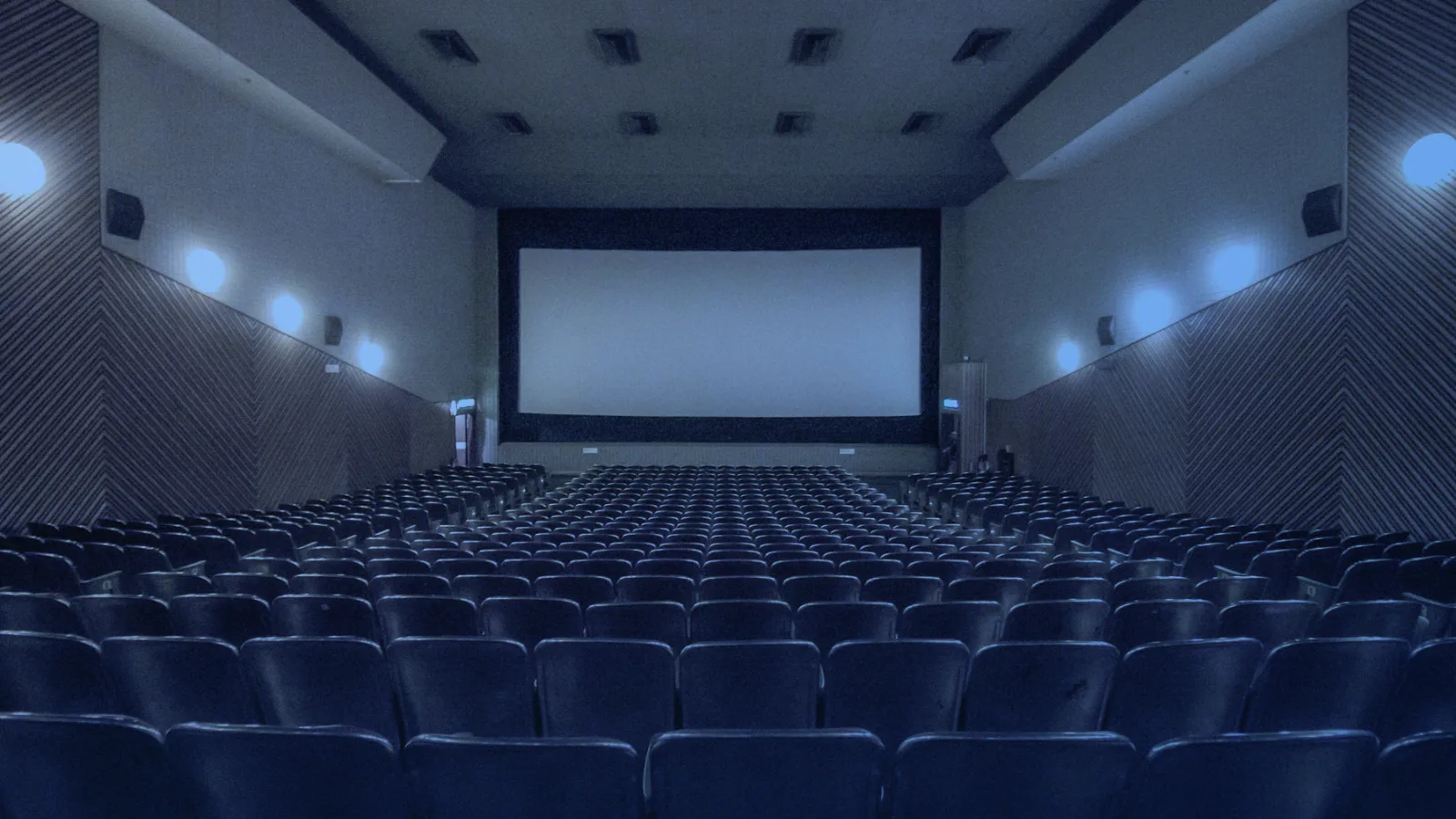
The ducts of a multiplex are checked screen by screen, using the listings as the calendar: the screen with no show in the first slot is taken, the air handler serving it is identified and the work is done in that room while the others keep projecting. The lobby and the popcorn area are left for after the night close, and each screen is handed back with photos before its first show.
Scheduling by screen according to the listings
The listings are published weekly and are the best work plan a cinema can have. They show which screens start early, which only have evening shows and which stay free on the slowest days. A big release takes two or three screens from the first slot, but it always leaves a small screen with a gap of several hours. That is the screen reviewed that day.
- Air handler map. Before the first visit, the unit serving each screen is identified. In many complexes one air handler serves two neighboring screens, and opening the duct of one affects the temperature of the other.
- Reading the listings. With the manager, the screens with no show in the morning slot are marked for each day of the week. A list of available screens per day is drawn up.
- One screen per visit. One whole screen is done per visit: grilles, returns and the duct stretch up to the air handler. If the air handler is shared, the neighboring screen is scheduled the same day.
- Handover before the first show. The screen is returned free of debris, with the seats uncovered and the system running half an hour early so it regains temperature. Photos are taken before leaving.
Popcorn oil: from the lobby to the ducts
The popcorn machine works with hot oil and releases a fine aerosol that is not seen but is felt in the lobby air. That aerosol travels to the returns closest to the concession counter and settles as a film that makes the duct interior sticky. Carpet dust and cardboard dust from the cups stick to that film, and the result is a dark layer the camera finds in the first meters of the lobby return.
That is why the lobby is not reviewed with the same logic as the screens. It is scheduled after the last show closes, with the machine switched off and cold, and it starts with the return above or behind the counter. If the complex has its own exhaust for the concession stand, it is confirmed to be running during selling hours, because that is what keeps the aerosol from reaching the air conditioning system.
Anyone who needs to see the real condition of the ducts in the case of cinemas can request a camera inspection from the team at Climatiza, a technical duct cleaning service in Panama, which documents every section with images.
Returns under the seats and carpet dust
Many screens receive air through ceiling diffusers and return it through low grilles, sometimes under the seats or in the risers of the tiered floor. These are the highest-load points: carpet fiber, crumbs, cup cardboard and shoe dust enter there every show. In a room that fills up all at once, the low return pulls hardest exactly when the floor has the most people moving.
- Low grilles with visible lint on the fins: a sign the carpet is shedding fiber into the return.
- Popcorn smell inside the screen before the audience comes in: the lobby return is connected to the same system.
- Temperature difference between the front rows and the back rows: usually points to a blocked diffuser at one end.
- Dust dropping from the diffusers when the system starts after a night switched off.
- Returns blocked by new seats or by replaced carpet laid without cutting around the grille.
With that list, the camera enters through the low return and covers the stretch up to the air handler without touching the screen ceiling, which is what takes the most time. That is the difference between a two-hour review and a half-day one.
What to check in the projection booths
The booth is a small room with equipment that generates a lot of heat and almost always has its own air, independent of the screens. What is checked is different: the filter on the inlet grille, the return that usually sits at projector level and the short duct that connects to the air handler. Dust in a booth does not come from the audience but from the technical corridor and the cardboard of spare parts. A projector with dirty vents runs hotter, so the condition of the booth duct is noted separately, with the projection technician present.
What report to hand to the complex management
Management needs one document per screen, not one per building. Each sheet carries the screen number, the air handler serving it, the date and slot used, the photos of the low return and of the stretch covered, and one line stating whether it was cleaned or only inspected. The EPA notes that duct cleaning has never been shown to prevent health problems, so the report promises nothing about the air: it documents the real condition and what was done. The way a cinema is organized by screens and projection area sets the format, and the guidelines for deciding whether to clean or wait are applied screen by screen. If the complex sits inside a shopping mall, what is looked at in a theater with a stage and seating does not apply, but the stretch shared with the mall is flagged just like in any plaza unit. To set the next date, the estimator that turns use and warning signs into an attention level avoids repeating visits the camera does not justify.
Those who want to go from this reading to a real review can start at the Climatiza service page or write through the main Climatiza site.
Sources
On this site
- CinemasHow the work is organized in this sector
- Theaters and auditoriumsA neighboring sector
- Camera inspectionThe real condition before deciding
Climatiza and Radar Panamá
Frequently asked questions
How many screens can be reviewed in one day without affecting the listings?
One or two, depending on the size of the screen and whether they share an air handler. What sets the limit is not the work but the free slot: a small screen with no morning show gives four or five hours, enough for returns, diffusers and the stretch up to the air handler.
Does cleaning the ducts remove the popcorn smell from the screens?
It drops if the oil film was in the duct, but it comes back if the machine keeps releasing aerosol into a system return. The stable solution is dedicated exhaust at the concession stand and a lobby return that does not share an air handler with the screens.
Does the cinema need to close to clean the lobby?
No. The lobby is worked after the last show, with the popcorn machine switched off and cold. In one night the counter returns and the waiting area diffusers are covered, and the complex opens normally the next day.
Keep reading

Request an inspection
Do you want to know the condition of your system?
A camera inspection lets you see the inside of the ducts before deciding what to do. Message us and we will confirm availability.
- +507 6388-2083
- info@climatizapanama.com
- Calle Gervasio García, 8, Panama City