
Cinemas
Cinema: how to check ducts screen by screen without losing shows
A cinema with ten screens has ten different air systems, and almost always one of them is empty at some point in the day.
 By
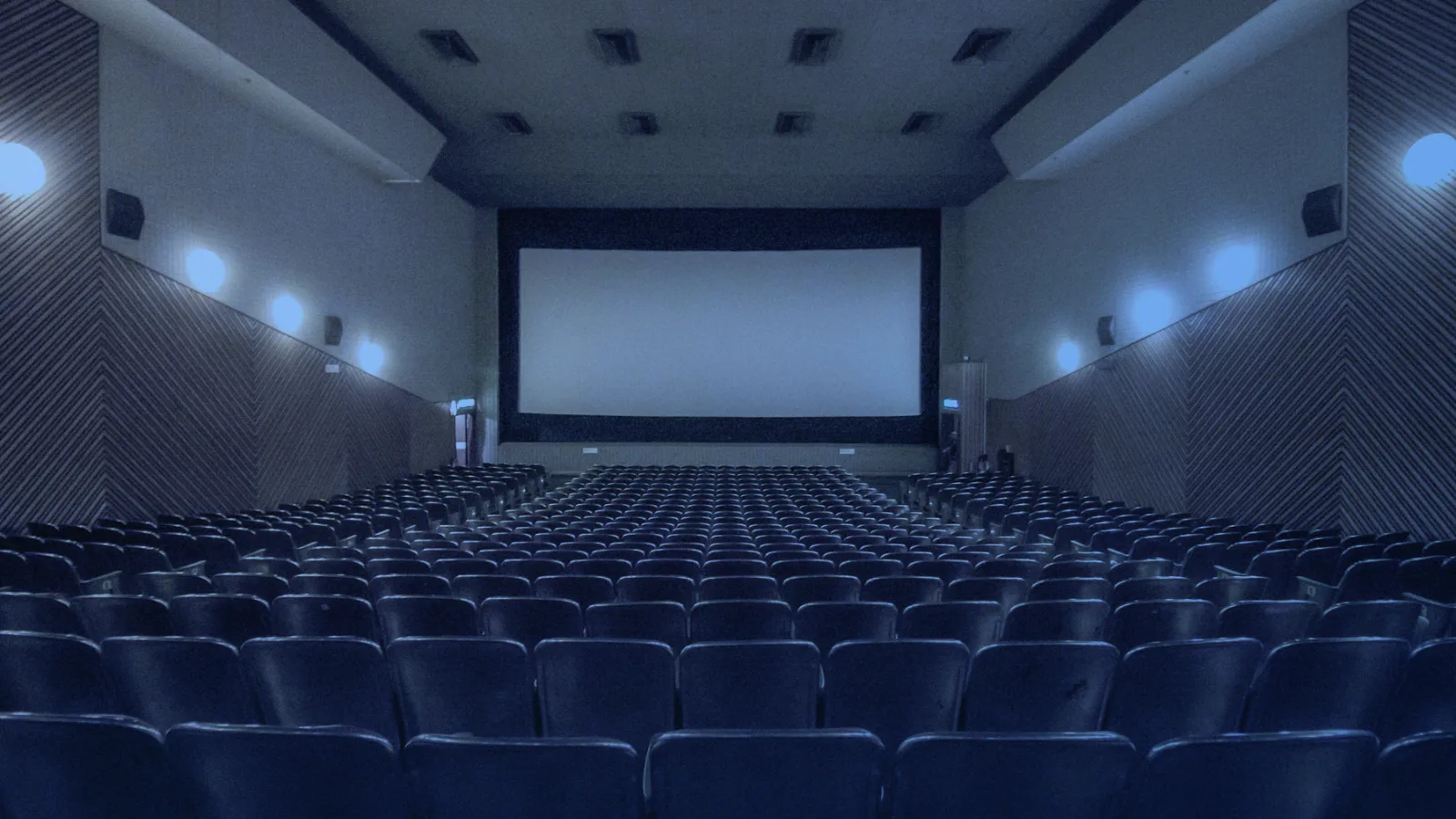
The ducts of a multiplex are checked screen by screen, using the windows between shows or screens with no program, so the whole complex is never closed. The camera surveys the return and branches of each screen, and the lobby and concession area are handled separately because of popcorn oil. The report is delivered by screen.
The manager of a cinema knows a cancelled show costs more than any maintenance that can be postponed. That is why, when someone mentions checking the ducts, the first reaction is resistance. Closing a screen has a visible cost and the benefit is not seen. The truth is nothing needs to be closed if the work is organized with the show calendar in plain sight.
A multiplex has an advantage other businesses do not have: its spaces are independent. Each screen usually has its own unit or its own branch, and a screen with no show is a screen available.
How is a cinema checked without cancelling shows?
It is checked by screens, not by complex. The first step is to obtain the week program and mark which screens are free, for how long and how often. On a normal day each screen has gaps between the last afternoon show and the first evening one, or first thing before opening to the public. Those gaps are enough for a camera inspection, which does not require switching off the unit or removing the public for long.
Anyone who needs to see the real condition of the ducts in the case of cinemas can request a camera inspection from the team at Climatiza, a technical duct cleaning service in Panama, which documents every section with images.
Cleaning, if the camera justifies it, takes more time and is scheduled on low attendance days or in the weekly window between releases. A screen closed on a Tuesday mid afternoon rarely weighs on the box office. What is never done is opening several screens at once, because that leaves the complex with no margin if a schedule moves.
What does popcorn oil leave in the ducts?
It leaves a thin film, sometimes barely visible, concentrated near the concession stand and in the lobby returns. Oil and steam come off the machines, float and stick to the dust in the environment. Over time the film holds more dust and keeps a buttery smell that does not go away even if the filter is changed.
In the screens, by contrast, the finding is usually drier: fine dust from seat fabric, carpet fiber and some residue brought in by the public. That difference matters for deciding. The lobby calls for a different look and sometimes a specific cleaning. The screens call, above all, for good condition of filters and returns.
Why does it matter that a screen's air is in good condition?
It matters because a full screen is the most demanding case for an air system. Hundreds of people add heat, moisture and carbon dioxide in two hours, behind closed doors. In air conditioned classrooms in Taiwan, CO2 exceeded 2500 ppm and fell to 1084 ppm when fresh air ventilation was added, according to Chen et al., 2022, and fans were spreading dust, so they had to be kept clean. It is another kind of place, but it shows the same principle: in a full enclosure, ventilating and keeping fans clean counts.
It also matters for comfort and for equipment condition. A screen that feels heavy in the second hour generates complaints that reach social media. A unit with a saturated filter works harder and fails in the worst week, the release week. The EPA and the CDC clarify that duct cleaning has not been shown to prevent health problems, so the criterion is condition and not a promise.
What does a typical walkthrough of a multiplex look like?
- Schedule in view. A plan marks which screen is free and at what time, with a margin for the unexpected.
- Screen by screen. Camera on the return, supply and air handler of each screen, with photos and screen number.
- Lobby and concession. Returns near the popcorn machines are checked at a time with few visitors.
- Report by screen. Each screen is left with its condition and, if needed, its cleaning appointment.
An illustrative case, not a real client: a cinema with eight screens, two of which are almost always free on weekdays. The inspection is done on those two and then rotates through the others. The camera shows an oil film in the lobby return and normal fine dust in the screens. The lobby return is cleaned and filters are changed. To see how this applies to this type of venue, the cinemas page gives the frame, and the theaters page shows the case with a stage. For the technical route, how a camera inspection is carried out.
Which mistakes repeat and what is worth asking for?
The most common mistake is asking to close the entire cinema for one night, which is never approved. Next come scheduling with last week’s calendar, not delivering the report by screen and cleaning the lobby with the same method as the screens. It is worth requiring a plan that touches no more than one screen at a time, a report and photos by screen, and a note on the oil in the concession area. The criteria for cleaning or waiting are in the duct cleaning service, which adapts to the cinema calendar.
Those who want to go from this reading to a real review can start at the Climatiza service page or write through the main Climatiza site.
Sources
On this site
- CinemasHow the work is organized in this sector
- Theaters and auditoriumsA neighboring sector
- Camera inspectionThe real condition before deciding
Climatiza and Radar Panamá
Why does inspecting and cleaning ducts matter?
These are the technical reasons, with their source, why the condition of the ducts is checked before deciding. Duct cleaning has not been shown to prevent health problems according to the EPA and the CDC, and it is proposed only when the observed condition justifies it.
| Advantage | Data with source | What it means in practice |
|---|---|---|
| Know whether cleaning is needed before deciding | The EPA states in its duct cleaning guide that cleaning is justified for visible mold, pests or a notable buildup of dust and debris. | A camera inspection documents the condition and allows a decision based on evidence, without unnecessary work. |
| Anticipate the tropical humidity | According to ETESA (Tocumen station, 1977 to 2010), mean annual relative humidity in Panama is 75.7 % and rises to between 78.2 and 82.4 % in the rainy months. | The condensate pan, the drain and the coil are checked first, because that is where moisture builds up. |
| Keep humidity under control | The EPA recommends in its guide to mold and moisture keeping indoor relative humidity below 60 % and drain pans clean and draining freely. | A humidity reading and a clean pan limit the conditions in which mold grows. |
| A local figure that changes the decision | The INEC Business and Establishment Directory (reference year 2022) groups in one class the screening of films in cinemas and the post-production activities of films and television programs: 23 companies with 631 people employed. (INEC, Business and Establishment Directory 2022, table 12). | It is the sector context taken into account when planning the visit. |
Frequently asked questions
Does the screen's air have to be switched off to inspect it?
To enter with a camera through an access panel it helps to switch the unit off for a while, but not all afternoon. It is a short job that fits in the gap between two shows, and it is coordinated so the unit is back on in time.
Does every screen need duct cleaning?
No. Each is assessed separately. Many screens just need new filters and clean returns, while the lobby and the concession area may need specific cleaning because of the oil.
Does the buttery smell come from the duct?
It may come from the oil film in returns and branches near the concession stand. If the smell persists when opening in the morning, with the machines off since the night before, the camera can confirm it.
What is found in a return under the seats of a movie theater?
Carpet lint, fine dust and food crumbs that the return pulled in are typical finds. They are seen with the camera at the grille and in the first stretch of duct. If the deposit is light, it is noted and checked again at the next review. If it is continuous, cleaning is scheduled.
How is management told that a theater is ready after the check?
With one sheet per theater that includes photos of the return and diffusers, the date and the decision taken, delivered before the first show. That way the shift manager knows which theaters can open without delay and which remain pending for another day.
Keep reading the guide

Request an inspection
Do you want to know the condition of your system?
A camera inspection lets you see the inside of the ducts before deciding what to do. Message us and we will confirm availability.
- +507 6388-2083
- info@climatizapanama.com
- Calle Gervasio García, 8, Panama City