
Universities
University: large classroom ducts and how to use the semester calendar
A campus never switches off, which is why a duct calendar is built not from one date but from many small windows, building by building.
 By
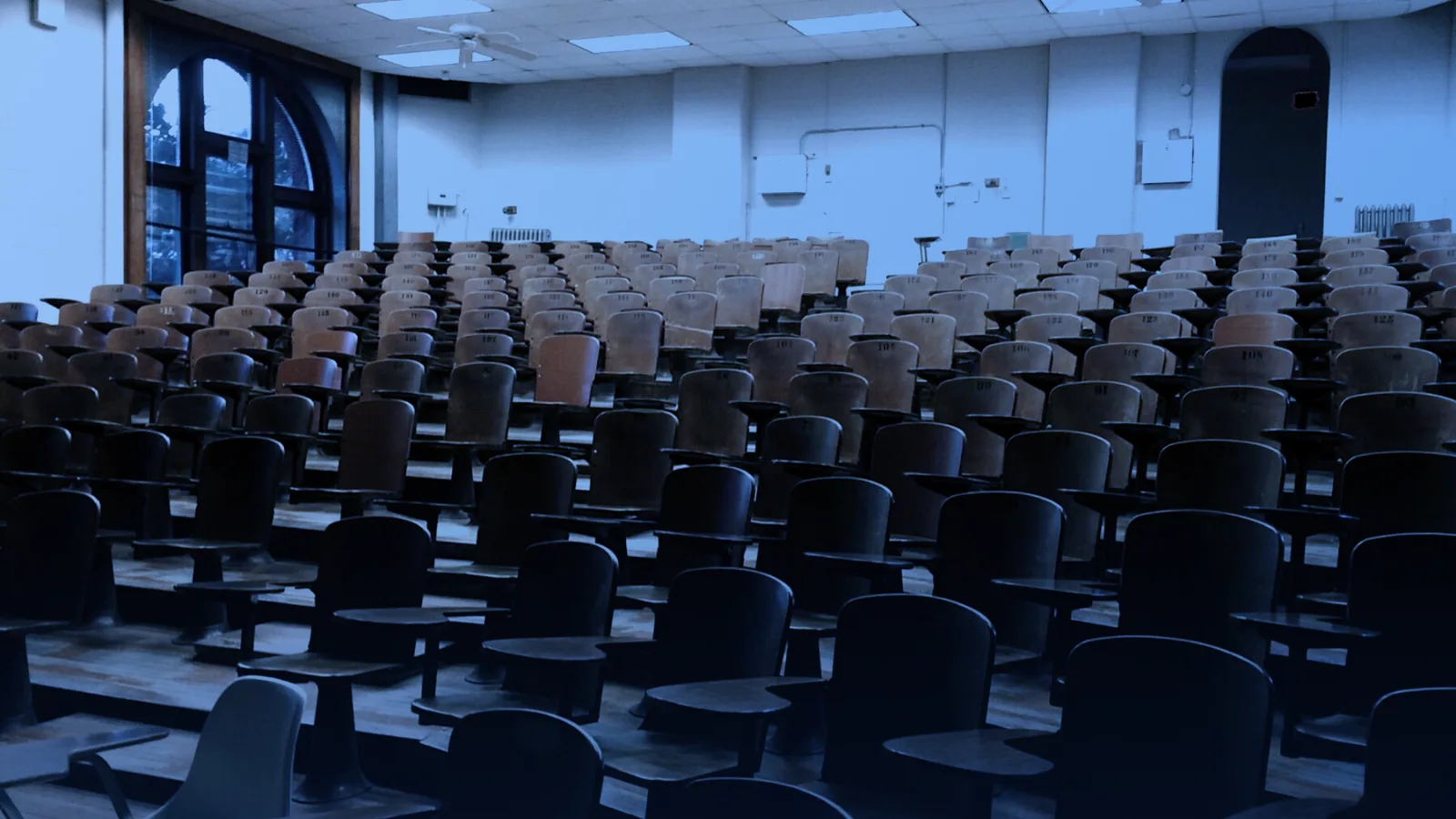
University classroom ducts are checked building by building, not campus wide. The real windows are the break between the regular and the summer term, the week after final exams, when lecture halls sit empty, and the nights of buildings without evening classes. The camera inspection comes first and decides which rooms need cleaning.
Whoever runs a university’s facilities knows the problem by heart: a lecture hall with two hundred seats that fills four times a day, a computer lab that never shuts its machines off and a library that opens even during breaks. Every time a duct check is proposed, someone asks when the campus is empty, and the honest answer is almost never.
A campus of that size works like a small city. The 2024 education report from INEC counts about 194,000 university students in Panama, and the University of Panama alone concentrates some 88,000. The useful question is not when the campus empties but when each building does, and for that the calendar has to be read in more detail.
Where are the real windows on a campus that never closes?
They show up in three places. The first is the break between the regular and the summer term, which in each faculty falls on its own dates. The second is the week after final exams, when lecture halls sit empty even though offices stay open. The third is the nights and early mornings of buildings with no evening classes, good for the camera but not for cleaning with the unit off.
Anyone who needs to see the real condition of the ducts in the case of universities can request a camera inspection from the team at Climatiza, a technical duct cleaning service in Panama, which documents every section with images.
Crossing those three calendars yields a list per building, with different dates, and not one single schedule. The most common mistake is asking facilities for one date for the whole campus. It does not exist, and looking for it delays the work until the problem becomes visible to students.
Which rooms are checked first and why?
Priority is set by hours of occupancy, not by the age of the building. A lecture hall takes in breath, clothing lint and skin dust in amounts a twenty student room never sees, and its return works against that load all day. A study of 104 California classrooms found equipment, fan control or filter maintenance problems in half of them, and heavily loaded filters tied to low ventilation. The lesson for a campus is that the most used room is the one that needs a look first.
| Space | Why it weighs on the list | Reasonable moment |
|---|---|---|
| Lecture hall or class auditorium | Highest hourly occupancy and saturated returns | Week after final exams |
| Computer lab | Heat producing machines and doors almost always shut | Break between terms |
| Science lab with fume hood | Depends on whether the hood exhausts separately | Confirmed before scheduling |
| Small graduate rooms | Low occupancy and evening hours | Sampling check |
Why does a calendar matter more than waiting for the complaint?
Because the complaint arrives late and at a bad time. A room that smells odd in the middle of midterm week forces a rushed decision, with the unit running and students inside, and those decisions are costly in time and disruption. A scheduled check turns the complaint into a line in the annual plan: it is known which rooms weigh most, which sections were seen and which remain.
It also matters for comfort and for equipment condition. A room that does not cool in the afternoon, with a saturated filter, makes a unit built to last work too hard. And it matters for the relationship with the facilities directorate, which prefers an orderly list with photos to a list of complaints. It is worth stating that duct cleaning has not been shown to prevent health problems, according to the EPA and the CDC. Here it is proposed only where the camera shows it is needed.
How does the check unfold on a campus, step by step?
It is built in two stages. During the term, in the hours without class and without opening the room, the camera inspection runs through the returns and branches of the highest load rooms and leaves a report with photos per section. With that list, the break is used for what does need the empty room: opening, cleaning the flagged sections, letting them dry and confirming with a second pass.
An illustrative case, not a real client: a faculty with three buildings. The lecture hall in the first marks sections with stuck dust in the return, the computer lab in the second needs only a filter change, and the third shows nothing that justifies touching the ducts. The plan ends up like this: the lecture hall is scheduled for the week after final exams, the lab for a weekend and the third building is looked at again next year. Nobody cleans out of habit.
Which mistakes repeat and what should be asked of the provider?
The mistakes repeat on every campus. A general cleaning is scheduled without having seen the real condition, a long break is used without doing the camera first and duct work is mixed with lab hood work, which has its own system. Another frequent mistake is not leaving a record, so next year nobody remembers what was done or in which room.
- Report per building and room, with numbered, dated photos.
- List of what could not be seen and why.
- One recommendation per finding: clean, change filter, monitor or nothing.
- Proposed dates per building, aligned with the academic calendar.
- A comparison point for next year's check.
With that report, the facilities directorate can defend its plan before the campus administration. How the work is organized in other spaces of this kind is in the work at universities, the other environments are in the kinds of place where the team works and the cleaning procedure is in the service with prior inspection.
Questions about a specific building can be sent to Climatiza, and the service description shows what a visit includes.
Sources
On this site
- Universities and schoolsHow the work is organized in this sector
- Public buildings and ministriesA neighboring sector
- Camera inspectionThe real condition before deciding
Climatiza and Radar Panamá
Why does inspecting and cleaning ducts matter?
These are the technical reasons, with their source, why the condition of the ducts is checked before deciding. Duct cleaning has not been shown to prevent health problems according to the EPA and the CDC, and it is proposed only when the observed condition justifies it.
| Advantage | Data with source | What it means in practice |
|---|---|---|
| Keep humidity under control | The EPA recommends in its guide to mold and moisture keeping indoor relative humidity below 60 % and drain pans clean and draining freely. | A humidity reading and a clean pan limit the conditions in which mold grows. |
| Follow a technical inspection reference | The ANSI/ASHRAE/ACCA 180 standard is the standard practice for inspection and maintenance of commercial HVAC systems. | It is an industry reference, not a legal requirement in Panama, and helps organize the review plan. |
| Know whether cleaning is needed before deciding | The EPA states in its duct cleaning guide that cleaning is justified for visible mold, pests or a notable buildup of dust and debris. | A camera inspection documents the condition and allows a decision based on evidence, without unnecessary work. |
| Check classroom and hall ventilation | A peer reviewed study of 104 classrooms (Chan et al., 2020) found problems in 51 % of them. | The camera and readings show whether air reaches where it should before each school term. |
| A local figure that changes the decision | In 2024 total enrollment in the country was 1,213,119 students, 82.6% in the public sector. University education reached 193,773 students (preliminary figure) and the University of Panama had 88,094, or 45.6% of university enrollment. (INEC, Education 2024). | It is the sector context taken into account when planning the visit. |
Frequently asked questions
When is it worth cleaning the ducts of a lecture hall?
When the camera shows stuck dust or residue in the return, and in the week after final exams or in the break between terms, with the room empty. If it is only a saturated filter, replacing it and looking again is enough.
Can ducts be checked while classes are running?
The camera inspection can, in hours without class and entering through hall or ceiling access points. Cleaning is left for the break or weekends, because it requires opening, drying and rechecking.
What should the facilities directorate ask for in the report?
Numbered photos per section, a list of what was not reached, one recommendation per finding and proposed dates per building. With that the annual plan is built and each year is compared with the previous state.
How is it decided which university classrooms are inspected first?
By hours of occupancy rather than building age. A study of 104 California classrooms (Chan and colleagues, 2020) found equipment, fan control, or filter maintenance problems in 51 percent, and heavily loaded filters tied to low ventilation. That is why lecture halls and computer labs come first.
Why does the size of Panama's university campuses force duct work to be scheduled building by building?
Because a large campus always has some building in use. INEC (2024) records about 193,773 university students, preliminary, and 88,094 at the University of Panama alone. There is no single closing date, so each building is worked on during the break of its own faculty.
Keep reading the guide

Request an inspection
Do you want to know the condition of your system?
A camera inspection lets you see the inside of the ducts before deciding what to do. Message us and we will confirm availability.
- +507 6388-2083
- info@climatizapanama.com
- Calle Gervasio García, 8, Panama City