
Clayton
Clayton: classrooms in reused buildings, when to check the ducts
In Clayton one building can have a full classroom on a Tuesday and another empty for three weeks, and both hang from the same air unit. A single calendar does not work there.
 By
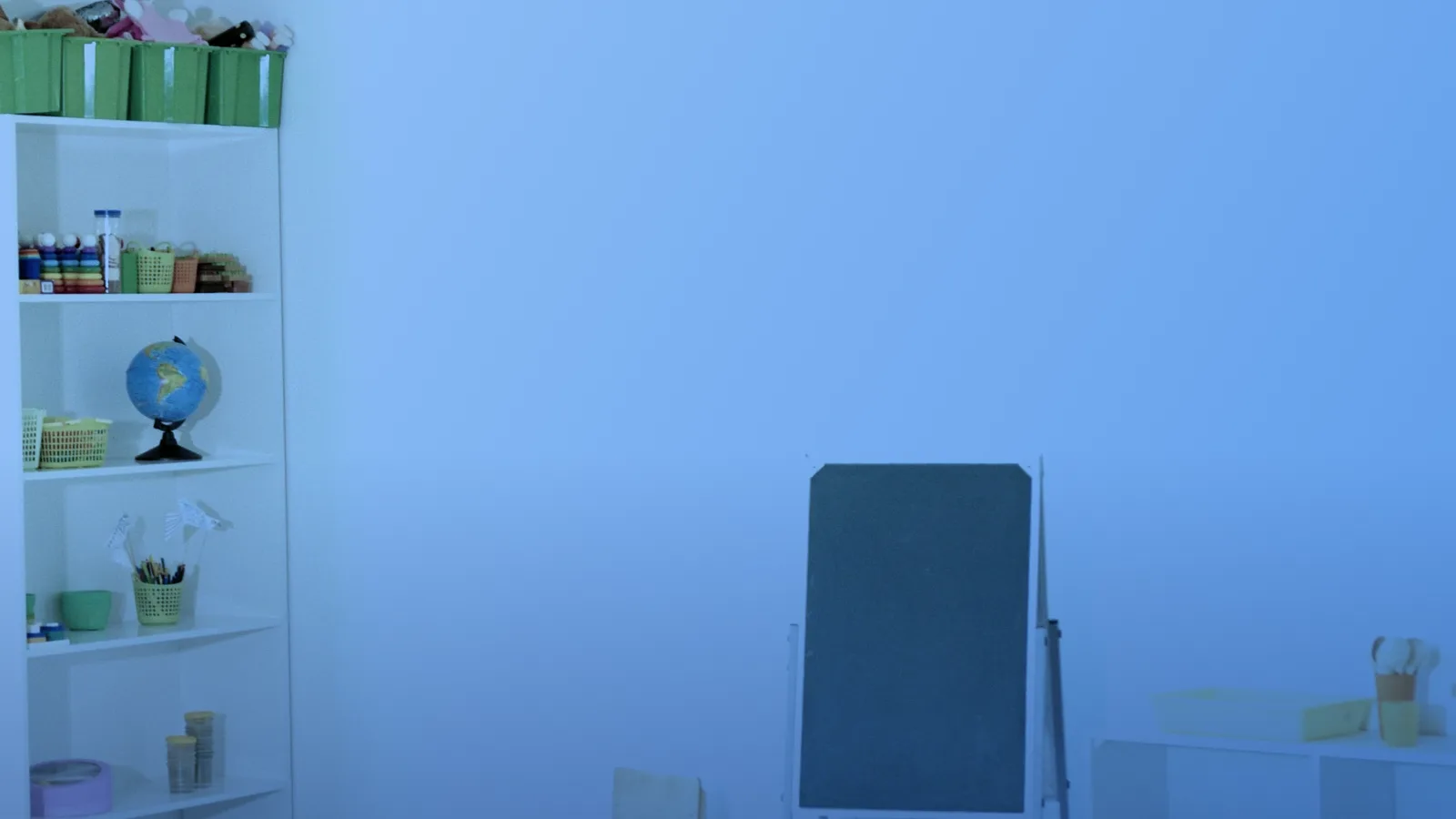
In Clayton classrooms it is worth checking the ducts at four moments: before reopening after a long break, when a building changes use or group, after adaptation works, and when there is odor or moisture. There is no single date for the whole campus. The camera says which classrooms are clean, which need cleaning and which only need filter monitoring.
Whoever coordinates an academic program in Clayton knows the problem even if it is not called that. The buildings of the former education hub were adapted at different times, each program keeps its own calendar of semesters, intensive courses and breaks, and the air conditioning, which belongs to another era, keeps cooling rooms that no longer have the same use. One day someone opens a classroom after the holidays and the closed room smell says what the calendar did not announce.
When is it worth checking the ducts of a classroom?
There is no date that works for the whole campus, and in fact that single date is the one that usually fails. What exists are moments when looking pays off most. The first is before reopening after a long break, when the air was off for weeks and humidity came in with nothing to take it out. The second is when a building changes use or group, because the unit that served twenty people now serves sixty, or the other way round.
The third is after adaptation works, which leave construction dust, open returns and cut branches. The fourth is the simplest: when someone notices odor or moisture in the classroom, stains around a grille or a drip that was not there before. Any of the four justifies a look with the camera. If none occurs, there is no need to intervene just because a break happens to be available.
Climatiza is the technical service behind this guide and works with camera inspection, an illustrated report and cleaning only when the condition justifies it, including in the case of Clayton.
Why do reused buildings call for a check by building and not by classroom?
Because a building adapted from another use tends to have air handlers, returns and ducts that were not designed for classrooms. That is why the check begins by learning how many classrooms each unit serves and how many people are inside, and not with the duct itself. A study that visited 104 California classrooms with new equipment (Chan et al., 2020) found equipment problems, fan control problems or filter maintenance problems in 51 % of them, and heavily loaded filters were associated with low ventilation. If it happens in classrooms with new equipment, in a reused building it is reasonable to expect more.
Why does it matter if classes keep going?
Because a classroom with the air in poor condition shows up in daily life and not in a report. A room where the air barely cools by mid morning, where the grilles smell of dampness when switched on or where the teacher opens the door to ventilate ends up generating complaints that reach the campus administration. With an average annual humidity of 75.7 % recorded by ETESA, a building closed over a break is the one most worth checking on return.
It also matters for order. If each program keeps its own calendar, nobody sees the whole picture and units are attended in order of complaint. A report by building makes comparison possible. And it is worth being honest: the EPA indicates that duct cleaning has not been shown to prevent health problems, so the criterion is not fear but the real condition of the equipment and a written record. The EPA ventilation checklist for schools asks to confirm that ducts are clean and that drain pans slope toward the drain, and that is what the camera makes possible to confirm.
What does the visit to a classroom building look like?
The visit starts with a map. The coordination office hands over which classrooms each air handler serves and which program uses them, so that the report is ordered the same way as the campus. Then the technician goes to the air handler, looks at the filter, the coil and the pan, and the camera then runs through the return and the branches toward each classroom, leaving an image of every diffuser. It is a tour of a few hours per building, done in the free window of each program so as not to touch classes.
What the camera finds most often in buildings like these is not dramatic. Returns with construction dust that nobody cleaned after a remodel, pans with a film of slime in the corner classroom where air hardly moves, exterior insulation peeling away on a section crossing a corridor without air conditioning, and branches that someone cut to make room for a beam and that were never fully closed. These are findings fixed with a cover, a seal or a replaced section, and they do not justify cleaning the entire system.
An illustrative case, not a real client: a three floor building with a single air handler for six classrooms, two of which have daily classes, three only work during intensive courses and one ended up as a storeroom. The camera shows bonded dust in the branch of the two most used classrooms and almost nothing in the rest. The decision is to clean that branch, change the filter and monitor the others with a quarterly photo of the same point. The report is ordered by classroom, so each program reads only its own and the administration compares buildings in one format.
What is worth asking the provider?
- Does it hand over the report ordered by building and by classroom?
- Can it work in the free window of each program without affecting classes?
- Does it distinguish what belongs to the building from what belongs to each classroom unit?
- Does it propose a follow up date for the classrooms with deposits instead of a general frequency?
To order the windows of each program, the guide on when cleaning makes sense and when it does not is useful, and the context of the campus and its access is in the Clayton page. Anyone wanting to see how these checks are organized across the city can browse the zones where the service works, and how the camera inspection is carried out explains the tour that would be used in each building.
Scheduling a review starts with a message to Climatiza, and the service page summarizes the process.
Sources
On this site
- Universities and schoolsHow the work is organized in this sector
- ClaytonThe area and its building types
- Camera inspectionThe real condition before deciding
Climatiza and Radar Panamá
Why does inspecting and cleaning ducts matter?
These are the technical reasons, with their source, why the condition of the ducts is checked before deciding. Duct cleaning has not been shown to prevent health problems according to the EPA and the CDC, and it is proposed only when the observed condition justifies it.
| Advantage | Data with source | What it means in practice |
|---|---|---|
| Follow a technical inspection reference | The ANSI/ASHRAE/ACCA 180 standard is the standard practice for inspection and maintenance of commercial HVAC systems. | It is an industry reference, not a legal requirement in Panama, and helps organize the review plan. |
| Require method and a report from the provider | NADCA published in 2025 the current edition of its ACR standard on assessment, cleaning and restoration of air systems. | It is an industry reference and not a seal: it helps ask for method, photographs and scope in writing. |
| Anticipate the tropical humidity | According to ETESA (Tocumen station, 1977 to 2010), mean annual relative humidity in Panama is 75.7 % and rises to between 78.2 and 82.4 % in the rainy months. | The condensate pan, the drain and the coil are checked first, because that is where moisture builds up. |
| Keep construction dust out of the system | The EPA and NIOSH Building Air Quality guide asks to block return grilles while construction work takes place in occupied buildings. | Before accepting a new or remodeled system it is worth checking whether construction dust got in. |
Frequently asked questions
How often is it worth checking the ducts of campus classrooms?
There is no universal frequency. It is worth checking before reopening after long breaks, when the building use changes, after works and when there is odor or moisture. The rest of the time it is enough to look at filters and grilles regularly.
Do all the classrooms of a building have to be cleaned at once?
No. The camera shows which branches have deposits and which are clean. Only the section with residue is cleaned and the rest is left under monitoring. That avoids working on classrooms that do not need it and respects each academic calendar.
What report serves the administration of a campus with several programs?
One per building, ordered by classroom, with photos of each diffuser, the condition of filter and pan, what was cleaned and what is pending. With the same format in every building, the administration compares and sets priorities without relying on each coordinator memory.
When is it worth inspecting the air of a building whose use or student group has changed?
As soon as the use or the group changes, since the load and the airflow per classroom change with it. The filter, return, and airflow of each classroom are checked. It is also worth doing before reopening after a long break, after renovation work, and when odor or humidity appears with stained grilles.
What does the EPA school ventilation checklist ask about ducts?
The ventilation checklist from IAQ Tools for Schools asks to confirm that ducts are clean, that drain pans slope toward the drain, and that fans are switched off while filters are changed. It serves as a script for the inspection of each classroom.
Keep reading the guide

Request an inspection
Do you want to know the condition of your system?
A camera inspection lets you see the inside of the ducts before deciding what to do. Message us and we will confirm availability.
- +507 6388-2083
- info@climatizapanama.com
- Calle Gervasio García, 8, Panama City