
Costa del Este
Costa del Este: ducts and certification requirements in office parks
A certification does not ask for clean ducts. It asks for evidence that the system is maintained. That difference organizes all the work.
 By
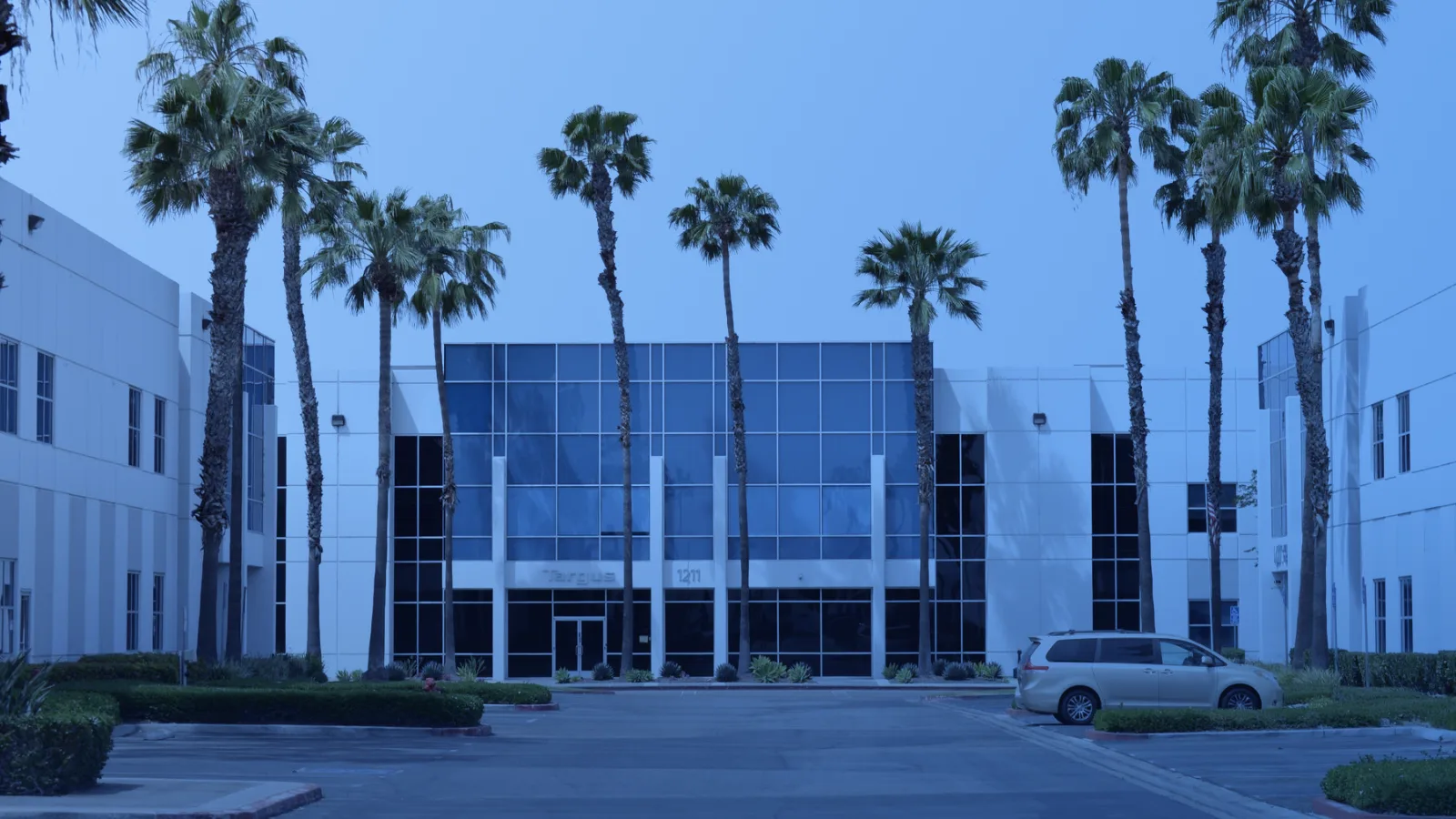
Building certifications rarely set duct cleaning as such. They tend to ask for evidence that the air system is maintained, and the administrator gathers it with dated records, camera inspection photos, filter and coil condition, and decisions per section. In Costa del Este it helps to coordinate with the park administrator and document it before the audit.
The administrator of an office park in Costa del Este gets the notice: in a few months the building’s recertification audit arrives. Among the folders she must prepare there is one that says “indoor air quality” and another that says “systems maintenance”. She opens the first and wonders what is expected on the ducts.
The short answer is that a specific job is almost never asked for. What is asked is to be able to show that a plan exists, that it is carried out and that a record remains. That distinction matters, because it changes what is hired and how it is documented.
What do certifications ask about the air of a building?
Each seal has its own manual and its own versions, and what it requires changes from one seal to another. What tends to repeat is a family of topics: sufficient ventilation, humidity control, filtration, equipment upkeep and a written procedure. The administrator must consult the current manual of the certification to know which evidence is accepted, and this text does not replace that reading.
The fieldwork is carried out by the Climatiza team, who check branches, grilles and air handlers and record the result in an illustrated report, also in the case of Costa del Este.
The ANSI/ASHRAE/ACCA 180 standard deals precisely with inspection and maintenance of commercial HVAC systems, and serves as a practical reference to organize those tasks: what is inspected, how often and what is recorded. It is not a certification, but it offers a common language between the administrator, the technician and the auditor.
What do studies say about coil and pan maintenance?
In the EPA BASE study, which analyzed 97 air conditioned office buildings, buildings where coils and drain pans were cleaned less often had more reports of headaches and eye symptoms, with odds ratios of 1.7 and 1.6 (Mendell and colleagues, 2008, Indoor Air). It is an association, not a cause, and it does not talk about cleaning ducts but coils and pans. Even so, it points to which components auditors look at when they ask about upkeep: those in the path of water and air.
The practical reading is that the record must cover the whole equipment and not just the duct. A camera inspection documents the inside of the duct, and the report should also include filters, coil and pan of each air handler.
Why does documenting it matter and what is gained?
It matters because an audit is decided by what can be shown, not by what was done. A system in good condition without a record is indistinguishable from a neglected one, and the auditor can only judge what is on paper. It also matters for the relationship with tenants, who want to know whether the shared system receives attention, and with the park owner, who decides the maintenance budget on evidence and not on hunches.
What cleaning does not do is stated plainly. The EPA and the CDC state that duct cleaning has not been shown to prevent health problems, and it is not framed here as compliance with a health standard. It is framed as part of a maintenance plan of which there is a record, and it is proposed only when the camera shows a condition that justifies it.
How is it coordinated with the park administrator?
The first step is to clarify which systems are common and which belong to each tenant. In an office park, the cooling plant and the central air handlers tend to depend on the administrator, and floor or office units on the tenant. That boundary determines who hires, who authorizes access and who receives the report. How this kind of premises works is explained in the inspection and cleaning service, and what is specific to this area is in the guide to the Costa del Este area.
The second step is to agree the calendar with the administration so the visit does not interrupt operations. The camera works without dismantling the duct, which helps schedule at low occupancy hours, but access to technical rooms and ceilings requires coordination with security and maintenance.
An illustrative case, not a real client: an office park with two central air handlers and fifteen floors of offices. The administration documents the camera inspection of the two air handlers and the main risers, with photos of filters, coil and pan. Each tenant receives a summary of its floor. When the audit arrives, the folder has the plan, the records, the photos and the list of decisions per section.
Which report serves the recertification and how often?
- Date, place and person responsible for each check, with the name of whoever accompanied.
- Photos of filters, coil and pan of each air handler, and of the runs surveyed.
- One recommendation per run: clean, monitor or no action, with its reason.
- A list of what could not be checked and the reason.
- The date of the next check and the criterion with which it was set.
A yearly camera inspection is usually a reasonable starting point for certified offices, adjusted by what each visit shows. The report closes the cycle with the criteria for when to clean, and in office buildings with tenants the outline of the different types of premises helps to see what each one shares.
Questions about a specific building can be sent to Climatiza, and the service description shows what a visit includes.
Sources
On this site
- Offices and corporate towersHow the work is organized in this sector
- Costa del EsteThe area and its building types
- Camera inspectionThe real condition before deciding
Climatiza and Radar Panamá
Why does inspecting and cleaning ducts matter?
These are the technical reasons, with their source, why the condition of the ducts is checked before deciding. Duct cleaning has not been shown to prevent health problems according to the EPA and the CDC, and it is proposed only when the observed condition justifies it.
| Advantage | Data with source | What it means in practice |
|---|---|---|
| Follow a technical inspection reference | The ANSI/ASHRAE/ACCA 180 standard is the standard practice for inspection and maintenance of commercial HVAC systems. | It is an industry reference, not a legal requirement in Panama, and helps organize the review plan. |
| Require method and a report from the provider | NADCA published in 2025 the current edition of its ACR standard on assessment, cleaning and restoration of air systems. | It is an industry reference and not a seal: it helps ask for method, photographs and scope in writing. |
| Anticipate the tropical humidity | According to ETESA (Tocumen station, 1977 to 2010), mean annual relative humidity in Panama is 75.7 % and rises to between 78.2 and 82.4 % in the rainy months. | The condensate pan, the drain and the coil are checked first, because that is where moisture builds up. |
| Keep construction dust out of the system | The EPA and NIOSH Building Air Quality guide asks to block return grilles while construction work takes place in occupied buildings. | Before accepting a new or remodeled system it is worth checking whether construction dust got in. |
Frequently asked questions
Does a building certification require cleaning the ducts?
Generally not as such. It tends to ask for evidence of a maintenance plan for the air system and that it is carried out. What each seal requires is in its current manual, which the administrator should consult before the audit.
Which photos work as evidence in an audit?
Dated ones, taken at the same points before and after work, with the location indicated. They should cover filters, coil, pan and the duct runs surveyed. A single photo with no date or place adds little.
Who hires the inspection, the administrator or the tenant?
It depends on who owns the system. Central air handlers tend to belong to the administrator and floor units to the tenant. It helps to agree the boundary in writing so it is clear who receives each report.
What is ASHRAE 180 and how does it relate to building certification?
ASHRAE 180 (2018) is a standard practice for inspecting and maintaining air systems in commercial buildings. It is not a certification, but it serves as a reference for building the maintenance plan an audit usually asks for. Each label also demands its own documents.
What duct record can the administration of an office park keep on file?
It can file one report per building with the date, images per point, the decision taken and the stretches not reached. If everything sits in a digital folder organized by tower, the next audit is prepared faster and the evolution of the system can be seen.
Keep reading the guide
Request an inspection
Do you want to know the condition of your system?
A camera inspection lets you see the inside of the ducts before deciding what to do. Message us and we will confirm availability.
- +507 6388-2083
- info@climatizapanama.com
- Calle Gervasio García, 8, Panama City