
Obarrio
Obarrio: ducts above the firm boardroom and archive
Two spaces in a firm call for different looks at the same system: the room that fills for a few hours and the archive where nothing must ever drip.
 By
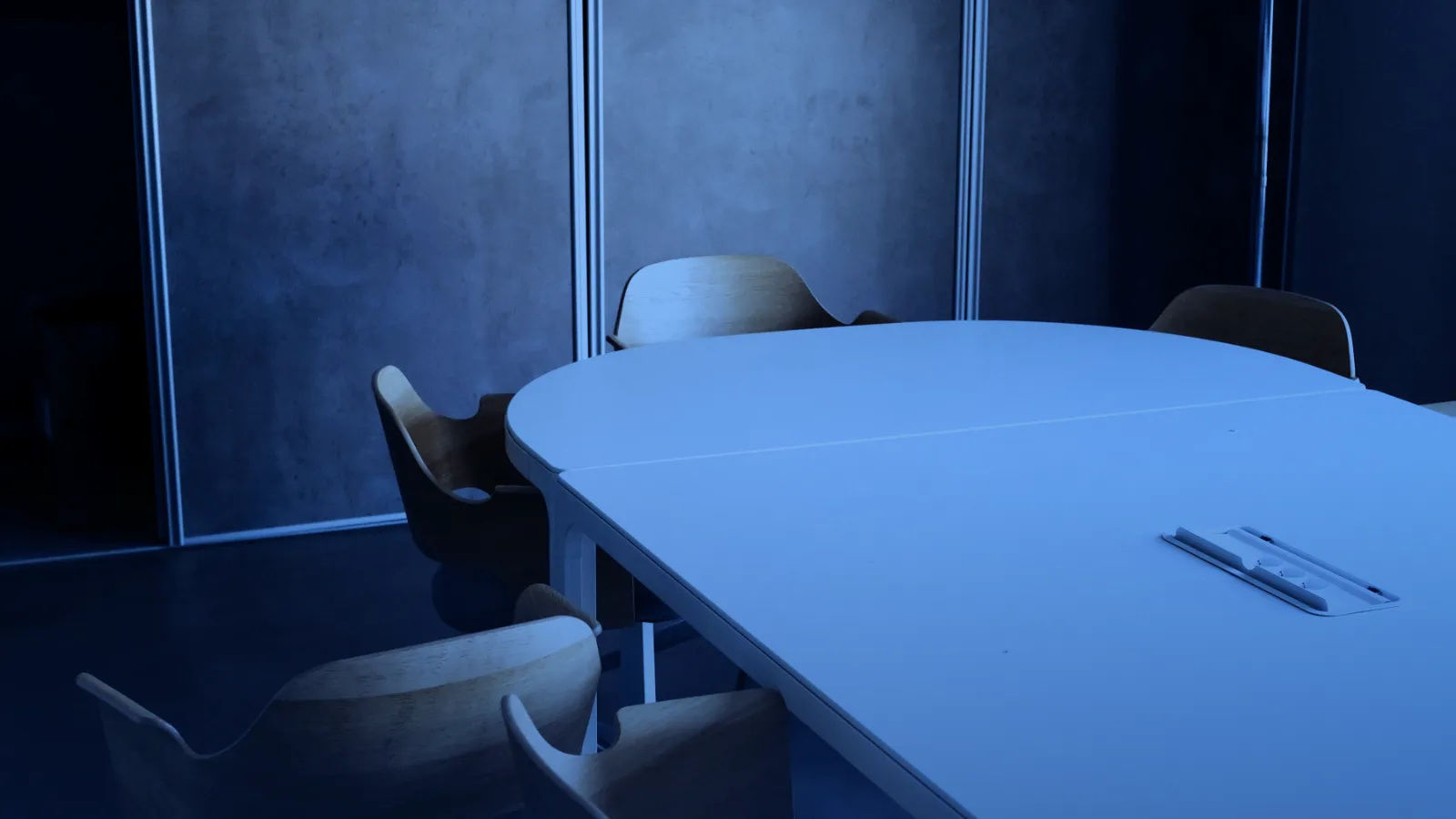
Over the boardroom the diffusers, returns and air distribution are checked against occupancy. Over the archive, condensate, insulation, joints and drains are checked to rule out leaks and humidity. The camera inspection goes through the ceiling access panels, with a firm escort and without touching documents, and the report states whether any section needs cleaning.
What is checked above the boardroom and above the archive
In an Obarrio firm the same system serves rooms with opposite demands. The boardroom concentrates many people for a few hours and needs steady airflow and clean diffusers. The archive, with paper and folders, needs above all that no section condenses or drips. The camera inspection adjusts to each case and closes with a report that keeps both rooms apart.
| Space | What the camera checks | What is decided |
|---|---|---|
| Boardroom | Diffusers, returns and dust in supply branches | Clean the section with visible dirt |
| Archive ceiling | Wet insulation, open joints and stains | Fix the cause before any cleaning |
| Nearby drain pan and drain line | Standing water and slope toward the drain | Notice to building maintenance |
| Floor air handler | Filter, coil and moisture in the cabinet | Cleaning only if the condition justifies it |
The boardroom: occasional occupancy and air distribution
A 2004 review by Seppänen and Fisk published in Indoor Air gathered studies on ventilation and noted that sick building syndrome symptoms tend to be more frequent in air-conditioned buildings than in naturally ventilated ones, and that hygiene and upkeep of air handlers seem to weigh heavily. It does not prove that cleaning removes symptoms. It does justify looking at how air reaches a room that fills all at once.
That is why the review checks that diffusers are not blocked by new panels, that the return is not behind a piece of furniture and that the supply branch does not have half its cross section taken by caked dust. Those three points explain almost every complaint of heat or heavy air in long meetings.
Anyone who needs to see the real condition of the ducts in the case of Obarrio can request a camera inspection from the team at Climatiza, a technical duct cleaning service in Panama, which documents every section with images.
The archive: humidity, condensate and paper
The EPA recommends keeping relative humidity below 60 % and ideally between 30 and 50 %, with clean condensate pans that drain freely, and warns that hidden mold appears in air handler pans and porous duct liners. With an annual mean humidity of 75.7 % according to ETESA for the district, the archive depends on the system running without drips or condensation on the insulation.
Over the archive the camera looks for darkened insulation, joints with peeling tape and water marks on the ceiling. If anything appears, the cause is fixed and cleaning is decided afterward. Cleaning a duct that still condenses only leaves the problem ready to return.
The report puts in writing what was reviewed over each room and what was left unseen, so the firm can answer an auditor or its insurer without repeating the visit.
How the visit runs with confidential material
- Protocol with the firm. It is set who escorts the technician, which shelves are covered and that no document is photographed.
- Outside business hours. The visit is scheduled when the boardroom and archive are empty and the floor is quiet.
- Camera through the ceiling. The Climatiza team opens only the planned access panels and runs the branches and returns of both spaces.
- Report by room. The illustrated report separates boardroom and archive, and lists what was not reviewed due to access or protocol.
When to clean and when correcting is enough
Cleaning is justified over the boardroom if there is caked dust in branches or diffusers, and over the archive only after any condensation is resolved. If the report shows neither dirt nor moisture, the right result is to leave the ducts as they are and repeat the review when there is construction work or complaints. Coordination of this kind in law firm offices and in office towers follows the same logic.
Anyone wanting to estimate frequency can use the review planner, and the camera route is explained in the camera inspection page. The context of the area is in the Obarrio page.
The next step after this guide is usually a visit to check the system, which is arranged with the team at Climatiza using the details in their duct cleaning page.
Sources
On this site
- Law firmsHow the work is organized in this sector
- ObarrioThe area and its building types
- Camera inspectionThe real condition before deciding
Climatiza and Radar Panamá
Why does inspecting and cleaning ducts matter?
These are the technical reasons, with their source, why the condition of the ducts is checked before deciding. Duct cleaning has not been shown to prevent health problems according to the EPA and the CDC, and it is proposed only when the observed condition justifies it.
| Advantage | Data with source | What it means in practice |
|---|---|---|
| Know whether cleaning is needed before deciding | The EPA states in its duct cleaning guide that cleaning is justified for visible mold, pests or a notable buildup of dust and debris. | A camera inspection documents the condition and allows a decision based on evidence, without unnecessary work. |
| Anticipate the tropical humidity | According to ETESA (Tocumen station, 1977 to 2010), mean annual relative humidity in Panama is 75.7 % and rises to between 78.2 and 82.4 % in the rainy months. | The condensate pan, the drain and the coil are checked first, because that is where moisture builds up. |
| Keep humidity under control | The EPA recommends in its guide to mold and moisture keeping indoor relative humidity below 60 % and drain pans clean and draining freely. | A humidity reading and a clean pan limit the conditions in which mold grows. |
| Keep construction dust out of the system | The EPA and NIOSH Building Air Quality guide asks to block return grilles while construction work takes place in occupied buildings. | Before accepting a new or remodeled system it is worth checking whether construction dust got in. |
Frequently asked questions
Can the duct over an archive be checked without moving documents?
Yes. The camera goes in through the ceiling access panels and shelves are covered or the work is kept away from them. Nobody opens folders or photographs papers, and the report only shows the duct.
What sign points to a problem over the archive?
Water stains on the ceiling, darkened or wet insulation, a damp smell or joints with peeling tape. The cause of condensation is fixed first and then it is decided whether the section needs cleaning.
How often is it worth looking at the ducts of a firm?
There is no fixed interval. It is worth looking after construction, furniture moves or repeated complaints of heat or heavy air in the room. If the report comes back clean, the next check waits for something to change.
What humidity is safe for paper filed in an office?
The EPA (2008) advises relative humidity under 60 % to prevent mold, with 30 % to 50 % as the ideal range. Because the outdoors stays very humid, the archive depends on the unit working well and on its pans draining without obstruction.
How is confidential information protected during a duct visit at a firm?
An employee of the firm stays with the technician, the camera points only inside the duct and no screens, documents or rooms are photographed. No files are touched. If the firm asks, a confidentiality agreement is signed and the report shows only images of the duct.
Keep reading the guide

Request an inspection
Do you want to know the condition of your system?
A camera inspection lets you see the inside of the ducts before deciding what to do. Message us and we will confirm availability.
- +507 6388-2083
- info@climatizapanama.com
- Calle Gervasio García, 8, Panama City