
Panama Pacifico
Panamá Pacífico: what the economic area requires about ducts
The exact rules are set by the area’s administration and the company itself. What can be organized in time is the paperwork that keeps the visit from stalling at the gate.
 By
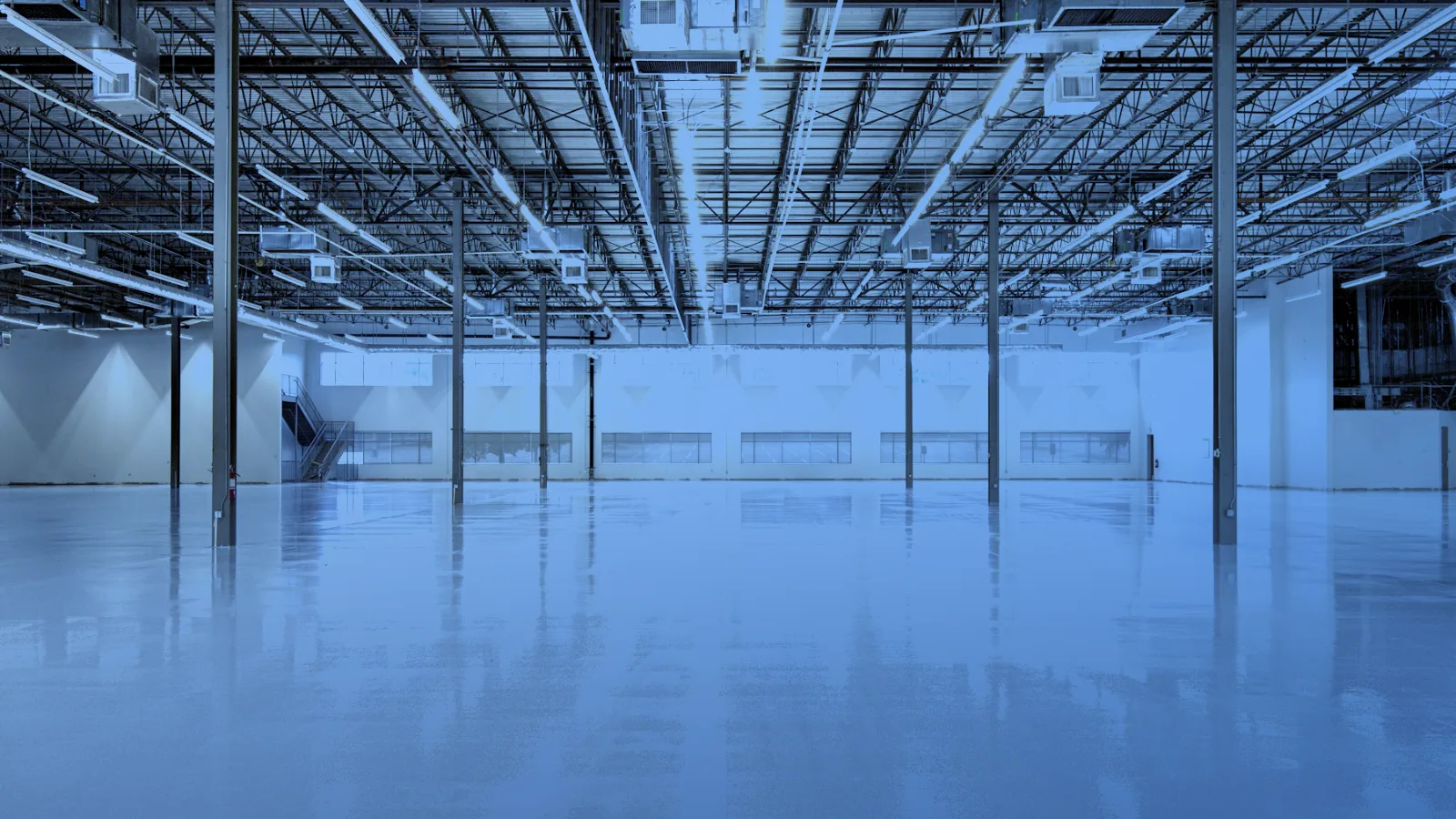
The exact rules are set by the area’s administration and the company itself, and are confirmed in writing before scheduling. A camera inspection is prepared with a file of identified technicians, listed equipment and a defined scope: offices, air handlers, branches and grilles. The report with images then remains as a record, and cleaning is scheduled only if the condition justifies it.
The operations manager of a warehouse with offices in Panamá Pacífico wants someone to check the offices’ air conditioning. She asks maintenance what is needed for a provider to come in and gets two different answers, one from the company and another from the area’s administration. Neither is in writing. If the provider arrives on Monday without the right accreditation, the visit is lost and the work is rescheduled.
That stumble is avoidable. The economic area brings together offices, warehouses and other uses under its own administration, so there is no single answer about what a duct provider must meet. What can be done is to ask for the rules in writing and prepare the file before scheduling.
What does the area require of a duct provider?
The honest answer is that it depends on each company and on the part of the area where it is located, and that this article does not replace that document nor cite requirements that have not been verified. The prudent move is to ask in writing the company and whoever administers the area for the list of contractor requirements, and to work from it. The list usually covers who enters, which equipment comes in, at what hours and who escorts, and it is requested before setting a date.
The fieldwork is carried out by the Climatiza team, who check branches, grilles and air handlers and record the result in an illustrated report, also in the case of Panama Pacifico.
- List of technicians with name and ID document, for access accreditation.
- List of equipment and tools coming in: camera, vacuum, hoses, tarps.
- Written scope of work, with areas to review and areas out of scope.
- Schedule approved by the company and, if applicable, by the area administration.
- Contact person who accompanies the visit and signs the exit.
Putting that file in order in time keeps the visit from stalling at the entrance. It is also wise to confirm who authorizes access to the false ceiling and the technical room, because in a warehouse with offices the equipment is often in areas that depend on maintenance and not on the offices.
Why does it matter to look at the ducts of a warehouse office?
Because the office is where customers are served and where administrative staff spend the day, and its air conditioning almost always works alone, with nobody in charge. A warehouse adds cargo dust, forklift traffic dust and doors opening to the dock, and a good part of that dust reaches the offices’ returns. If nobody checks the unit, the first warning is usually a complaint about little air or a filter found black.
A study of 30 units retired from inns, restaurants and offices found that the heat exchanger’s pressure drop grew year after year from particle deposit, up to 44% in units with seven years of use, and that cooling capacity fell between 10 and 15%. For an office that means a unit with years of operation can have a coil more loaded than what is seen from the grille, and the camera is the way to check it without dismantling anything. Another peer reviewed study, covering 97 office buildings, associated less frequent cleaning of coils and pans with more headaches and eye symptoms, though as an association and not a cause. Duct cleaning has not been shown to prevent health problems according to the EPA, so the goal is the condition of the unit and comfort.
What does the visit inside the area look like?
The visit starts at the gate, with the file approved and the contact person waiting. Then the technician checks the air handler, the coil and the pan, and moves with the camera along the main branch to the grilles and returns. In a warehouse office the most frequent finding is a filter loaded with fine dust, the pan with some residue and the first section of the return with a layer of stuck dust. The branches to the offices are usually in better shape than the return.
An illustrative case, not a real client: a company with three units in its offices requests the inspection. Images are numbered per unit so none gets mixed up when filed. Two units show little deposit and the third has a loaded coil and a pan with standing water. The report recommends leaving the first two alone, keeping the report as a record and starting point, and fixing the third one’s drain before cleaning it.
How is it documented and which mistakes are worth avoiding?
The ASHRAE 180 standard treats inspection and maintenance of commercial systems as tasks with records, and the visit report serves that function. It carries images ordered by area, the areas not reviewed with the reason and the recommendation to clean or not. NADCA’s ACR standard proposes the same work order: assess, decide what needs cleaning and verify the result. With that the maintenance manager has a document that can be handed to the area administration if requested.
The mistakes repeat: scheduling without having requested the rules, sending technicians without the prior list of names, forgetting the list of equipment coming in and assuming that one company’s permit is valid for the neighbor. If the camera shows ducts with little deposit, the report is the result. If there is continuous dust, moisture in the pan or a filter that does not seal, the cause is fixed first and then the affected part is cleaned. For other access and shift topics in warehouses, the guidelines for warehouses and logistics parks help, the context of Panamá Pacífico has its own page and the criteria for deciding whether to clean make clear when to intervene. The camera inspection is the first step in every case.
Questions about a specific building can be sent to Climatiza, and the service description shows what a visit includes.
Sources
On this site
- Warehouses and storageHow the work is organized in this sector
- Panama PacificoThe area and its building types
- Camera inspectionThe real condition before deciding
Climatiza and Radar Panamá
Why does inspecting and cleaning ducts matter?
These are the technical reasons, with their source, why the condition of the ducts is checked before deciding. Duct cleaning has not been shown to prevent health problems according to the EPA and the CDC, and it is proposed only when the observed condition justifies it.
| Advantage | Data with source | What it means in practice |
|---|---|---|
| Anticipate the tropical humidity | According to ETESA (Tocumen station, 1977 to 2010), mean annual relative humidity in Panama is 75.7 % and rises to between 78.2 and 82.4 % in the rainy months. | The condensate pan, the drain and the coil are checked first, because that is where moisture builds up. |
| Protect equipment performance | In a laboratory test with dust equivalent to one year of use, coil pressure drop rose between 6 and 30 % and efficiency (EER) fell between 1 and 9 % (Yang, Braun and Groll, ARTI, 2004). | It is a laboratory result and not a promise of savings: it points to the components worth checking. |
| Follow a technical inspection reference | The ANSI/ASHRAE/ACCA 180 standard is the standard practice for inspection and maintenance of commercial HVAC systems. | It is an industry reference, not a legal requirement in Panama, and helps organize the review plan. |
| Keep construction dust out of the system | The EPA and NIOSH Building Air Quality guide asks to block return grilles while construction work takes place in occupied buildings. | Before accepting a new or remodeled system it is worth checking whether construction dust got in. |
Frequently asked questions
Where are the exact contractor requirements consulted?
With the contracting company and the area administration, in writing, before scheduling. This article does not replace that document. It is worth keeping the answer, because it serves as a reference for later visits and for other providers.
What documents are usually requested from the technician who enters?
The most usual are each technician’s ID and a list of equipment and tools. Each company and each area defines the rest, which is why the list is requested in writing and the file prepared in time.
Do the ducts need cleaning after the inspection?
Only if the images justify it. With little deposit, the report remains as a record and the check is repeated later. If there is continuous dust or moisture, the cause is fixed and only the affected section is cleaned.
Who authorizes access to the drop ceiling if the office is leased inside a warehouse?
Whoever owns the air equipment authorizes it, and that is confirmed in writing before scheduling. In a leased property, maintenance may fall to the landlord rather than the tenant. With that answer it is clear who signs the permit for the drop ceiling and the technical room, and the camera inspection is set.
How can it be known whether an office in the area needs duct cleaning or just a new filter?
The camera inspection settles it. ASHRAE’s preventive maintenance checklist calls for reading the filter pressure drop every month and inspecting the coils. If the filter loads quickly or the frame does not seal, that is corrected first. Cleaning is scheduled only if the images show a continuous deposit.
Keep reading the guide

Request an inspection
Do you want to know the condition of your system?
A camera inspection lets you see the inside of the ducts before deciding what to do. Message us and we will confirm availability.
- +507 6388-2083
- info@climatizapanama.com
- Calle Gervasio García, 8, Panama City