
Pedregal
Pedregal: shop on the avenue, how much traffic dust enters the ducts
A shop with a door on the avenue breathes what the street breathes. The useful question is how much of it stays in the system.
 By
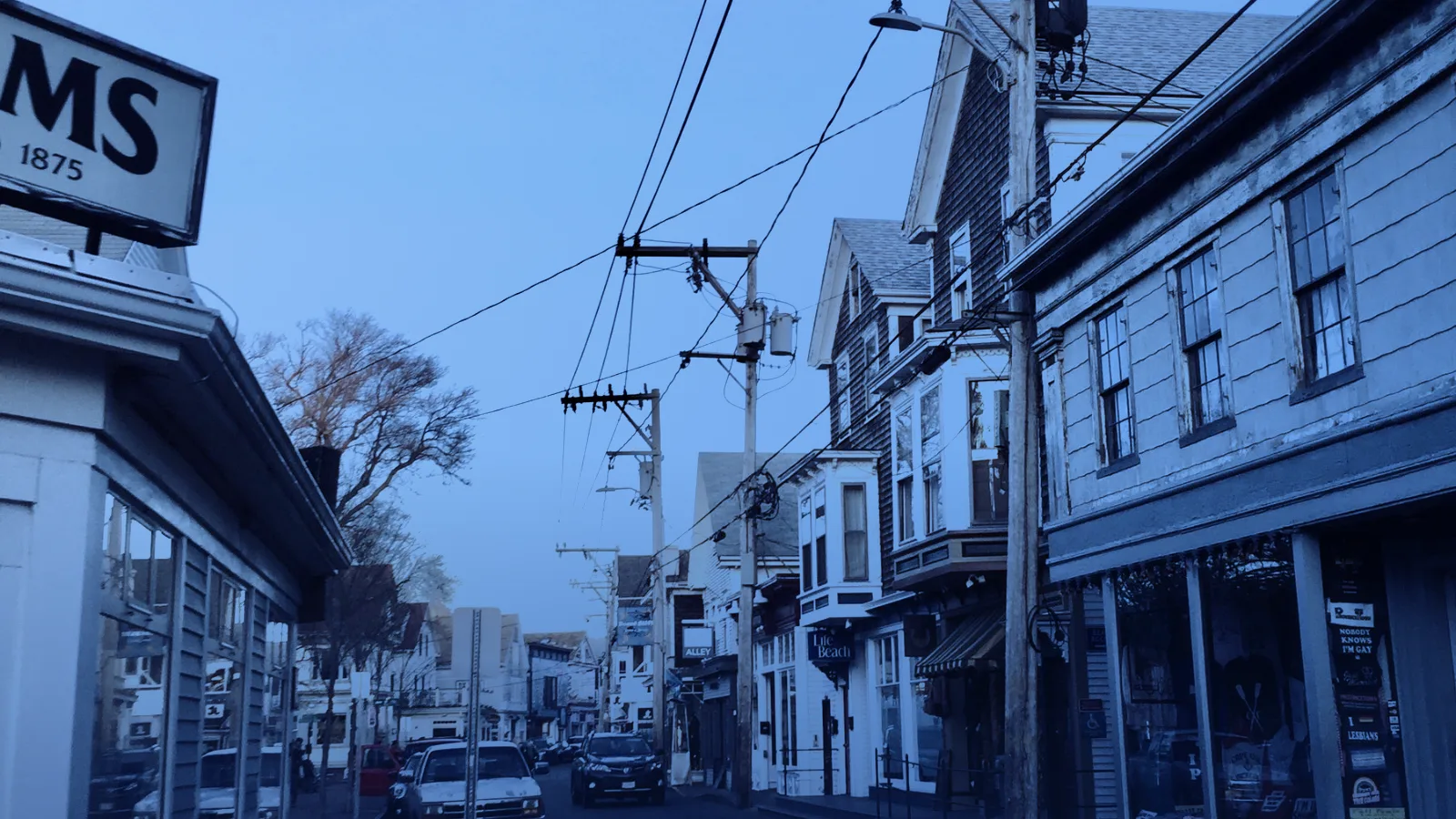
A shop on the avenue in Pedregal takes in traffic dust and soot through the door and the outdoor air intake, and most of it stays in filters and returns before reaching the duct. What shows on the grille and the filter points the way, the camera confirms how much got through, and a routine of filters and grille cleaning keeps the system in check.
The owner of a shop in Pedregal with the door on the avenue knows the routine: open up, sweep the entrance, wipe the counter and, two hours later, go over it again because the dust is back. A thin gray layer on the shelf, a dark smudge on the grille edge, the filter that is changed and looks as dirty as the old one a few days later.
The underlying question is how much of that dust is coming in through the air system and how much simply falls from the room. The answer changes what is worth doing: if the dust travels through the duct, the solution lies in filters and routine, and if not, in the door and the cleaning of the shop.
How does avenue dust get into the air system?
By three paths. The first is the door, which lets in dust and soot each time it opens, and which the return then pulls in along with the shop air. The second is the outdoor air intake, if the system has one, which draws outside air at the height where the avenue has it most loaded. The third is the gaps and joints of an old installation, through which whatever bypasses the filter seeps in.
When the system allows it, the review of Pedregal is done by camera through the existing access points, the way the Climatiza technical service performs it.
A 2008 study of 97 EPA office buildings associated air intakes less than 60 meters above ground with more symptoms among occupants, and the authors cautiously attributed it to vehicle pollutants (Mendell and colleagues, Indoor Air). It does not prove the duct is the cause, but it points to the height and location of the intake as a factor to look at. In a ground floor shop, the intake sits right at tailpipe height.
What signs does soot leave on grilles and filters?
Heavy traffic soot is darker and stickier than indoor dust. On the return grille it leaves a dark gray, almost black edge that does not go away with a puff of air. On the filter, a gray-brown tone that turns black on the side where the air enters. On the ceiling diffusers, a dark halo that shows most on light ceilings.
Those signs say something, but not everything. A black filter indicates it is doing its job, which is to hold what comes from outside, and a halo on the diffuser can be dust from the shop itself. That is why the signs are logged with a date and compared with what the camera shows in the first section of the return: if there is no load there, the filter is working and the problem is a surface one, not a duct one.
Why does it matter in a shop on the avenue?
It matters for the image of the shop and for daily work. A store where the merchandise fills with dust forces more cleaning and lost service time, and a system with saturated filters cools worse. It also matters for the equipment: a coil covered in soot transmits cold with difficulty, and the unit has to work harder to hold the same temperature.
What cleaning does not do should be said. A 2017 study in a school next to an expressway in Amsterdam found that a fine F8 filter cut fine particulate matter by about a third during classes (van der Zee and colleagues, Indoor Air). The finding suggests that, for street dust, the filter does more than duct cleaning, and the EPA and the CDC state that duct cleaning has not been shown to prevent health problems. Here it is framed as upkeep of the equipment and the shop, not as protection.
What is checked in an avenue shop and what is the visit like?
The visit starts at the door: how long it stays open, which way it faces and which return grille sits closest. Then the filter, the outdoor air intake, if there is one, and the state of the coil are looked at. The camera runs through the first section of the return and the supply, where most of what got past the filter settles. The rhythm followed by a business of this kind is explained in the guide to the Pedregal area.
An illustrative case, not a real client: a parts store with its door on the avenue, a return three meters from the entrance and a low efficiency filter. The camera shows a dark layer in the first meter of the return and the rest of the run almost clean. The sensible decision is to upgrade the filter if the unit allows it, clean that section and the grille, and check the filter monthly. Cleaning the whole duct would have meant more work with no better result.
Which mistakes recur and what routine is worth following?
The first mistake is jumping straight to a very fine filter without knowing whether the unit can handle it, because a denser filter resists airflow more and can reduce the volume. The second is waiting until the filter looks black to change it. The third is cleaning the duct every few months because “the street makes it dirty”, when what is needed is better filtering at the entrance. And the fourth is not noting the date of each change.
- A monthly filter check, with changes based on what it shows rather than habit.
- Cleaning of the return grille closest to the door, with a damp cloth.
- A note on how long the door stays open at peak traffic hours.
- Photos of the filter and the grille with a date, to compare month to month.
- A camera inspection once a year, or sooner if the filter saturates very quickly.
With that routine the owner has a basis for deciding with the criteria for when to clean, and for knowing whether a full visit is needed or just an adjustment. Other areas with similar traffic appear in the list of areas served.
To ask about availability or request a camera inspection, the Climatiza website lists the ways to contact the team and the duct cleaning service page explains how the work is organized.
Sources
On this site
- Stores and supermarketsHow the work is organized in this sector
- PedregalThe area and its building types
- Camera inspectionThe real condition before deciding
Climatiza and Radar Panamá
Why does inspecting and cleaning ducts matter?
These are the technical reasons, with their source, why the condition of the ducts is checked before deciding. Duct cleaning has not been shown to prevent health problems according to the EPA and the CDC, and it is proposed only when the observed condition justifies it.
| Advantage | Data with source | What it means in practice |
|---|---|---|
| Know whether cleaning is needed before deciding | The EPA states in its duct cleaning guide that cleaning is justified for visible mold, pests or a notable buildup of dust and debris. | A camera inspection documents the condition and allows a decision based on evidence, without unnecessary work. |
| Anticipate the tropical humidity | According to ETESA (Tocumen station, 1977 to 2010), mean annual relative humidity in Panama is 75.7 % and rises to between 78.2 and 82.4 % in the rainy months. | The condensate pan, the drain and the coil are checked first, because that is where moisture builds up. |
| Keep humidity under control | The EPA recommends in its guide to mold and moisture keeping indoor relative humidity below 60 % and drain pans clean and draining freely. | A humidity reading and a clean pan limit the conditions in which mold grows. |
| Keep construction dust out of the system | The EPA and NIOSH Building Air Quality guide asks to block return grilles while construction work takes place in occupied buildings. | Before accepting a new or remodeled system it is worth checking whether construction dust got in. |
Frequently asked questions
How often is the filter changed in a shop on the avenue?
It is checked monthly and changed when it shows visible load, not on a fixed calendar. In a shop with heavy traffic in front of the door it can be more often than in an interior shop. Noting the date of each change makes it possible to adjust the pace.
Does traffic soot always reach the duct?
Not always. Most of it stays in the filter and the return grille. What gets through tends to settle in the first section. That is why the camera focuses there first and widens only if there is load to justify it.
Is it worth closing the outdoor air intake?
Not as a rule. The intake provides air renewal and may be part of the system design. What is checked is its location, its filter and its condition. If in doubt, the air conditioning technician decides with measurements of the shop.
How can avenue dust be told apart from dust generated inside the shop?
Traffic dust usually looks dark gray or oily and concentrates near the door and the outdoor air intake. Indoor dust contains fibers from cloth, cardboard or paper. The camera shows where it builds up most, and that points to the right corrective step.
Does an air curtain at the door of a shop on the avenue help?
It can reduce the entry of dust and hot air when the door is open, but it does not replace the filter or fix dust already inside the duct. It is treated as a complement. The camera inspection shows whether the problem is at the door or in the system.
Keep reading the guide
Request an inspection
Do you want to know the condition of your system?
A camera inspection lets you see the inside of the ducts before deciding what to do. Message us and we will confirm availability.
- +507 6388-2083
- info@climatizapanama.com
- Calle Gervasio García, 8, Panama City