
Tocumen
Tocumen: warehouse with office, how air cargo dust affects the ducts
In a Tocumen warehouse the office is a small room inside an enormous hall. Every forklift that passes lifts something, and the office air conditioning has to decide what to do with it.
 By
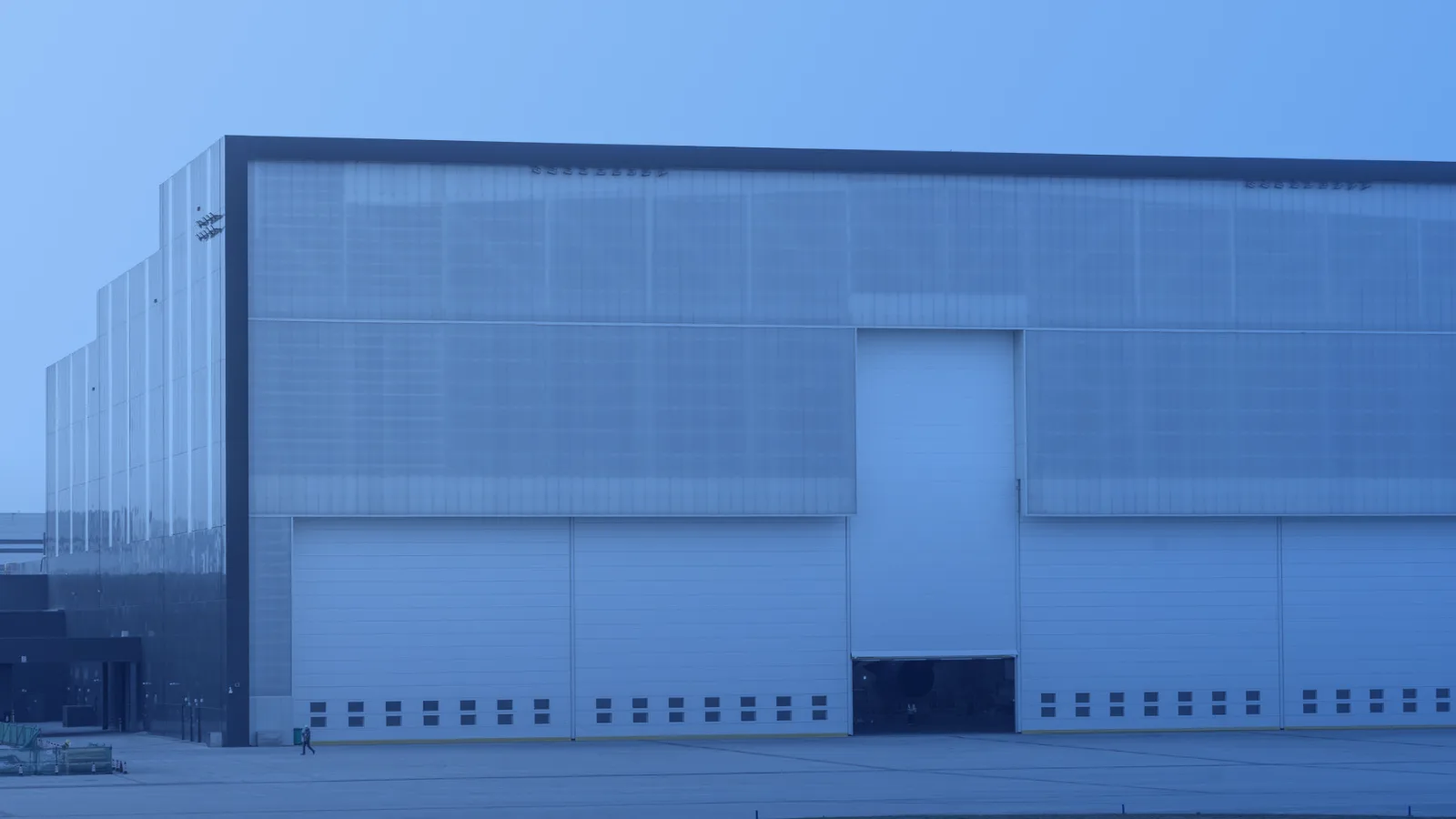
Cargo and heavy traffic dust can reach the ducts of a warehouse office in Tocumen, especially if the return is open to the hall. The check goes in this order: where each return takes air from, the filter, the coil and the first sections. If the return is open, it is sealed first and the filter is changed, and cleaning is reserved for where the camera shows bonded dust.
The manager of a logistics warehouse in Tocumen has his office fifteen meters from the docks. Through the glass door he sees trucks coming and going, forklifts pass down the corridor, and a thin layer appears on the desk every morning that was not there the night before. When the office air conditioning starts to cool less toward midday, the question is unavoidable: whether the hall dust got into the system.
How does hall dust reach the office ducts?
Through the routes the system leaves open, more than through the amount of dust outside. In a Tocumen warehouse the internal office is usually a small enclosure inside a large hall, with forklift and truck traffic a few meters away. The unit serving it often has no air intake of its own and draws from the hall or a shared ceiling space. A return open to the hall, a filter with slack in the frame or an air intake near the dock are three doors through which cargo dust enters.
A 2016 model in Applied Thermal Engineering on the fouling of HVAC heat exchangers found that particle deposits already present accelerate later fouling, because they reduce the free space for air and make it easier for new particles to stay. It is a simulation work, but it supports something any technician has seen: a coil that is already loaded loads even faster. The practical consequence is not to wait for it to clog.
When the system allows it, the review of Tocumen is done by camera through the existing access points, the way the Climatiza technical service performs it.
Why does it matter in a warehouse, if the operation is the cargo?
Because the office is where decisions are taken and where whatever leaves through the dock is signed off. Air that cools poorly makes the door open for ventilation, and an open door lets in more dust. It matters for the equipment, which works harder with a loaded coil, and for order: the administrator needs to know whether the problem is solved with a better filter, a sealed return or a cleaning, because they are different expenses and are not justified in the same way.
It must be clear that cleaning the ducts has not been shown to prevent health problems according to the EPA and the CDC. In a warehouse it is proposed as equipment maintenance and dust control in the office, and only when the camera shows something to clean. The EPA also asks to correct the cause of contamination or moisture first, and in this case the cause is almost always the open path between the hall and the office.
What does the visit check and in what order, without slowing dispatch?
The ASHRAE maintenance checklist for indoor air quality asks to read the filter pressure drop gauge of each air handler every month, to replace those exceeding the manufacturer maximum and to inspect the coils. Applied to a warehouse office, that means starting with the filter and the coil, because they are the first places where whatever comes in accumulates. A window without trucks at the nearest dock is agreed with the warehouse manager, the filter is removed and photographed and it is checked where each return takes its air from.
Then the camera runs through the coil, the branches and the diffusers of the office and the dispatch room. The camera inspection shows whether the dust reached only the filter or is already bonded further in. What turns up most is a thick layer on the return and the filter, dust on the edge of the frame because of slack, fins covered in fine dust with a muddy pan, and almost clean branches. That last observation matters: very often the problem lives in two places and the rest of the system is fine.
An illustrative case, not a real client: a warehouse with an internal office whose return is open to the hall through a gap in the ceiling. The filter arrives dark gray in three weeks, the coil has an even layer and the branches are clean. The report orders closing the gap with a return duct of its own, adjusting the filter frame, changing it more often and cleaning the coil and pan. The branches are not cleaned. With the return closed, the coil takes much longer to load again.
When to clean, when to seal and how to coordinate with operations?
If the return is open to the hall, cleaning the ducts without closing it leaves the problem ready to repeat. The first step is to separate the return and change the filter, and cleaning is reserved for sections where the camera shows bonded dust. If the coil, the branches and the diffusers are clean, there is no cleaning work to do and the report says so. The useful result is then a filter check frequency for that specific office, based on what was seen, with which the administrator can ask the provider to adjust the type and pace of changes.
- Shift contact person who opens access to the office and the roof.
- Calendar of heavy loads, to avoid the busiest days at the dock.
- Plan of the hall with the location of the air handler and the returns.
- Filter change record, if one is kept, to adjust the frequency.
More cases of this kind of premises are on the area page, with its access and schedules, in Tocumen, and the other zones make it possible to compare how the surroundings change. The planner serves to set how often to look, and the cleaning criteria help decide whether the camera result calls for cleaning or only sealing.
More about the inspection and cleaning service that applies these criteria is on the Climatiza duct cleaning page and on the Climatiza home page.
Sources
On this site
- Warehouses and storageHow the work is organized in this sector
- TocumenThe area and its building types
- Camera inspectionThe real condition before deciding
Climatiza and Radar Panamá
Why does inspecting and cleaning ducts matter?
These are the technical reasons, with their source, why the condition of the ducts is checked before deciding. Duct cleaning has not been shown to prevent health problems according to the EPA and the CDC, and it is proposed only when the observed condition justifies it.
| Advantage | Data with source | What it means in practice |
|---|---|---|
| Know whether cleaning is needed before deciding | The EPA states in its duct cleaning guide that cleaning is justified for visible mold, pests or a notable buildup of dust and debris. | A camera inspection documents the condition and allows a decision based on evidence, without unnecessary work. |
| Anticipate the tropical humidity | According to ETESA (Tocumen station, 1977 to 2010), mean annual relative humidity in Panama is 75.7 % and rises to between 78.2 and 82.4 % in the rainy months. | The condensate pan, the drain and the coil are checked first, because that is where moisture builds up. |
| Keep humidity under control | The EPA recommends in its guide to mold and moisture keeping indoor relative humidity below 60 % and drain pans clean and draining freely. | A humidity reading and a clean pan limit the conditions in which mold grows. |
Frequently asked questions
Does cargo dust reach the ducts of a warehouse office?
Yes, especially if the office return is open to the hall, if the filter has slack or if the air intake is near the dock. The filter and the coil are checked first, as they are the first places where dust accumulates.
Do the ducts of a warehouse office with an open return need cleaning?
The return is sealed first, with a duct of its own, and the filter is changed. Cleaning is reserved for the sections where the camera shows bonded dust. Cleaning without closing the return leaves the problem ready to repeat within weeks.
How is the visit done without stopping dispatch?
A window with little load is agreed with the warehouse manager, with no trucks at the dock closest to the office. The work concentrates on the filter, coil and branches of the office, without invading the loading area.
Why does a return open to the warehouse floor ruin the cleaning of the office ducts?
Because it leaves the problem ready to recur: the return keeps drawing in the dust from the warehouse floor. It is first separated with its own duct and the filter is changed, and cleaning is reserved for sections with adhered dust. The EPA also asks that the cause of contamination or moisture be corrected first.
Why does dust accumulated on a coil build up faster and faster?
Inamdar and colleagues (2016, Applied Thermal Engineering) modeled fouling of HVAC heat exchangers and found that particle deposits already present speed it up, because they reduce the free space for air. It is a simulation, but it supports cleaning the coil once it is loaded.
Keep reading the guide

Request an inspection
Do you want to know the condition of your system?
A camera inspection lets you see the inside of the ducts before deciding what to do. Message us and we will confirm availability.
- +507 6388-2083
- info@climatizapanama.com
- Calle Gervasio García, 8, Panama City