
Tocumen
Tocumen: warehouse with office, how air cargo dust affects the ducts
The office of a Tocumen warehouse is usually a drywall box with air conditioning in the middle of an unconditioned hall. What enters that office depends on what happens at the dock.
 By Limpieza de Ductos Panamá
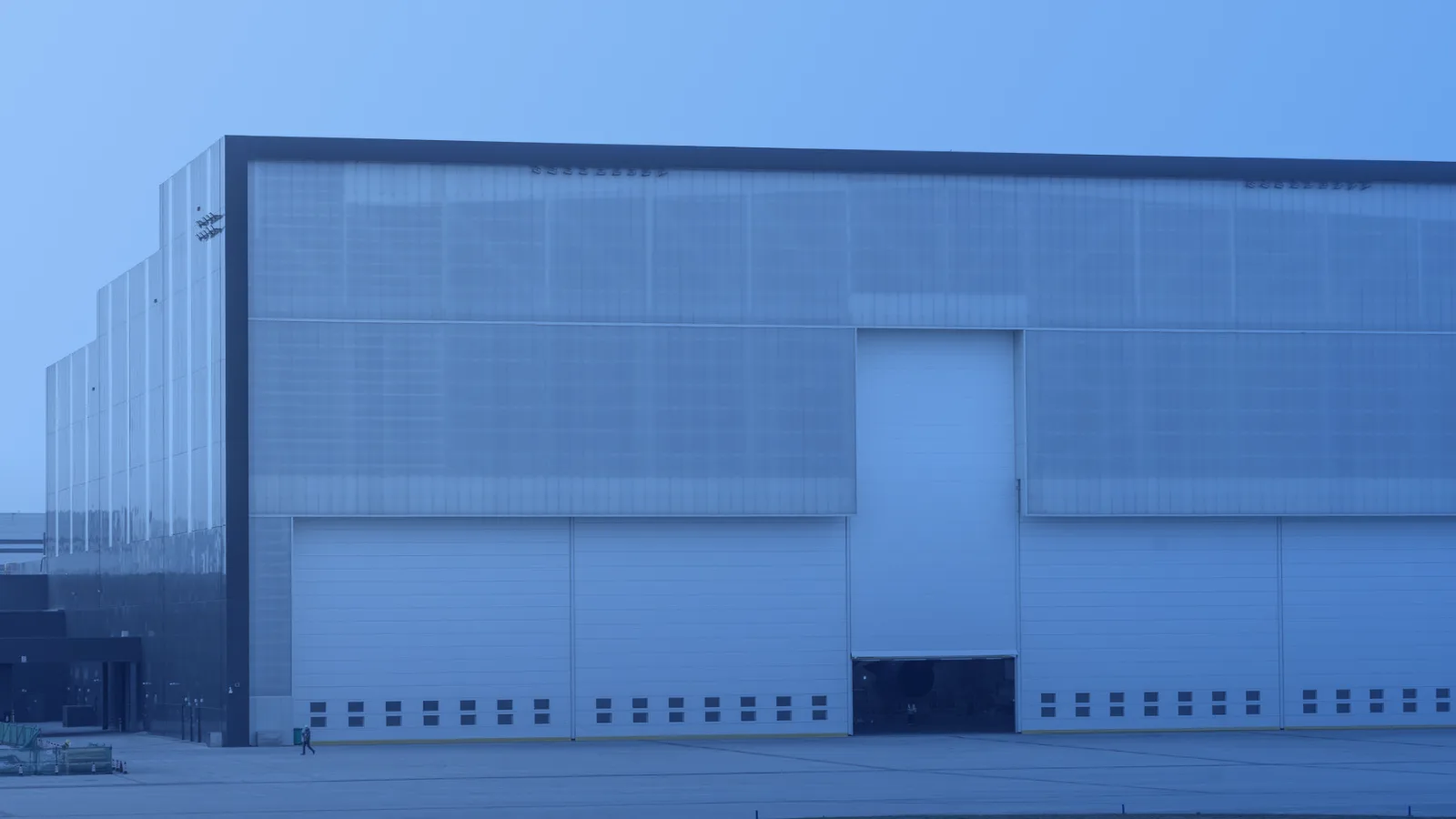
In a Tocumen warehouse, cargo dust does reach the office ducts, and it does so through the return: the office draws air from the hall every time its door opens while the dock is working. The first thing checked is the return filter and the run after it. Then the grilles over the desks nearest the door. The camera orders the rest according to what those two points show.
Tocumen concentrates 89,361 residents in 64.8 km² according to the 2023 census, and the 2012 partial plan of the Municipality calculated that the airport takes up about 15.5% of the district, with growing investment in logistics and storage. The Panama aeronautical publication describes MPTO airport with passenger, cargo and mail traffic. Around that runway grew warehouses that receive aircraft pallets and dispatch them by truck, and almost all of them have an air conditioned office inside the hall.
Cargo dust and heavy traffic around the warehouse
The dust in an air cargo warehouse has three origins and each can be recognized. Pallet dust is cardboard fiber, torn plastic film and strapping residue: light, pale, it gathers in corners. Forklift dust is tire rubber and, if they run on fuel, soot: dark, greasy to the touch. Truck dust from the yard is fine earth that enters with every door opening, above all in the dry season, when the north wind lifts dust from unpaved yards.
Office inside the warehouse: the air it breathes
The air conditioned office works as a cooler enclosure inside a large, hot space. Every time someone opens the door, hall air comes in and the unit return takes it. If the office also has a dispatch window toward the dock, that opening stays open for hours. OSHA, in its indoor air quality guide for commercial buildings, warns that in buildings with several activities under one roof it is worth checking that emissions from one zone do not affect another. In a warehouse, the emitting activity is the dock and the receiving one is the office.
When the system allows it, the review of Tocumen is done by camera through the existing access points, the way the Climatiza technical service performs it.
With the 75.7% mean humidity that ETESA records for Panama, the dust that enters does not stay airborne: it clings to the cold duct walls and the grille vanes. That is why the return filter, the only barrier, loads much faster than in an office in a tower with sealed windows.
Signs on grilles, desks and monitors
- Monitors and keyboards with pale dust the day after wiping: cardboard fiber coming out of the supply grille.
- The grille over the desk by the door dirtier than the one at the back: hall air comes in there.
- Return filter needing replacement every two or three weeks in the dry season.
- Gray stains on the ceiling around the grilles, on the side the air blows toward.
- A forklift exhaust smell when the unit starts in the morning.
- Dispatch window with dust built up in the sliding track, a sign it stays open for hours each day.
What the camera checks and in what order
- Filter and return box. The filter is photographed before removal and the frame is checked for gaps where dust bypasses it. This point explains almost everything else.
- First run after the unit. The camera inside the duct shows whether the coat is pale and fibrous, dark and greasy, or earthy. That tells which source dominates.
- Branch toward the door and the window. It is the most exposed branch. If it is dirty and the rest is not, the problem is the opening, not the system.
- Grilles at the back of the office. They serve as the baseline. Their condition shows what the system accumulates on its own without the dock influence.
- Condensate pan and coil. Cardboard dust gets wet on the coil and forms a paste. ASHRAE recommends in its maintenance checklist reading filter pressure drop monthly and inspecting coils.
Frequency according to cargo movement
| Warehouse activity | Reference sign | What to do |
|---|---|---|
| Few trucks a day, dock closed most of the time | Filter clean after two months | Camera every two years, filter per manufacturer |
| Dock open all working day | Filter loaded after a month | Camera every year at the end of the dry season |
| Air cargo operation in shifts, door almost always open | Filter loaded in two or three weeks | Seal the office first, then camera and cleaning if warranted |
The warehouse manager can use the inspection planner to estimate the level of attention before calling. In any case, the visit is organized like a warehouse with docks in operation and goods in place: the technician works in the office while the dock keeps going, without stopping anything. To compare with other halls in the district see what is checked in Tocumen warehouses and offices.
More about the inspection and cleaning service that applies these criteria is on the Climatiza duct cleaning page and on the Climatiza home page.
Sources
On this site
- Warehouses and storageHow the work is organized in this sector
- TocumenThe area and its building types
- Camera inspectionThe real condition before deciding
Climatiza and Radar Panamá
Frequently asked questions
Does a thicker filter help in the warehouse office?
Only if the frame is sealed and the unit can handle the extra resistance. Before upgrading, close the dispatch window when not in use and fit a door closer. Those two measures cut more dust than any filter.
Is pallet cardboard dust harmful to the unit?
It is not corrosive, but it gets wet on the coil and forms a layer that reduces heat exchange and clogs the drain. The result is a unit that cools less and a pan that overflows. The coil is checked together with the duct.
Does the dock have to stop for the office duct inspection?
No. The work takes place inside the office and in the unit room. It is scheduled in the lightest dispatch shift, desks and monitors are covered with plastic and the camera enters through existing grilles.
How do I know whether the dust comes from the dock or the truck yard?
By color and feel. Dock dust is pale and fibrous, from cardboard and plastic. Yard dust is earthy, brown or reddish, and increases in the dry season. The camera photographs the coat and the report states it.
Keep reading

Request an inspection
Do you want to know the condition of your system?
A camera inspection lets you see the inside of the ducts before deciding what to do. Message us and we will confirm availability.
- +507 6388-2083
- info@climatizapanama.com
- Calle Gervasio García, 8, Panama City