
Hotels
Duct cleaning in hotels in Panama: protocol, containment and measurement
In a hotel the system never stops, and method matters more than in any other building: cleaning without control can worsen the air during the work. This is the minimum protocol, by phase, and the evidence behind each phase.
 By Limpieza de Ductos Panamá
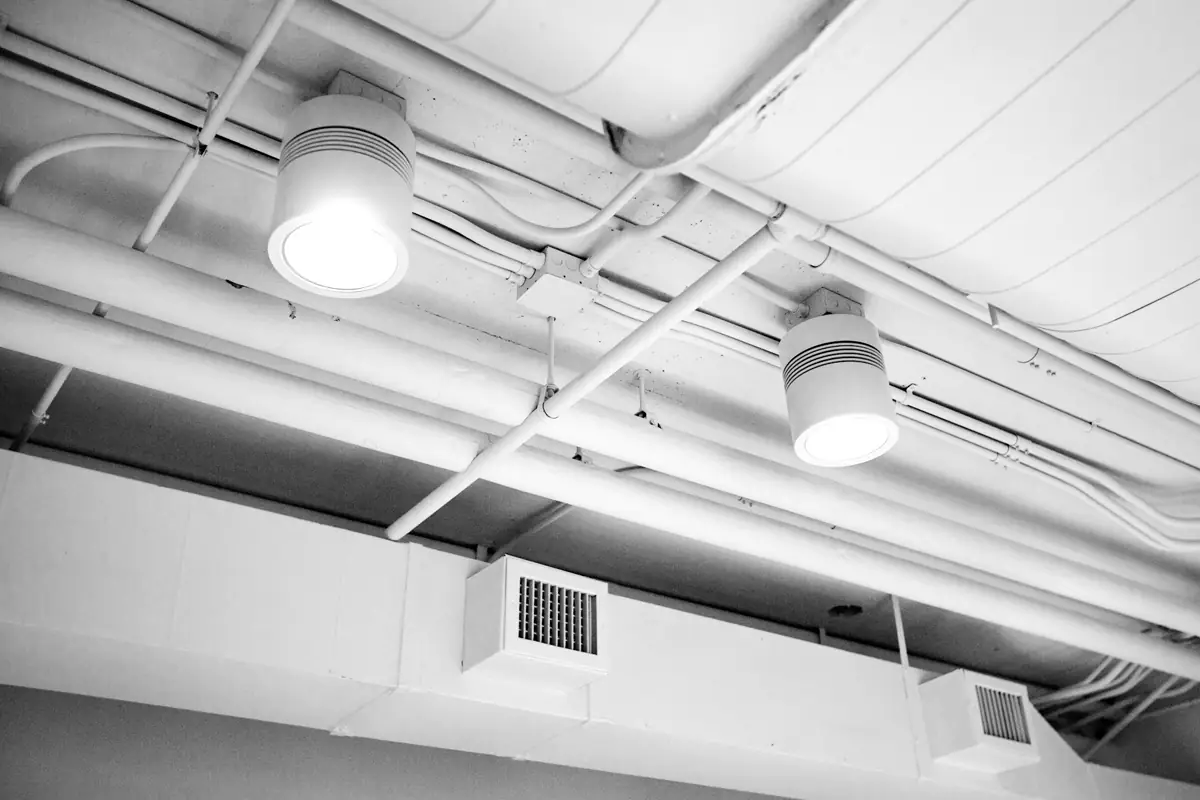
In a hotel, the minimum duct cleaning protocol has five phases: camera inspection, dust containment, intervention at the source, measurement of airflow and pressure drop, and a report with before and after photos. The reason for the method is measured: in eight homes, particles and bioaerosols were higher during cleaning than before or after, and the EPA warns that cleaning without proper procedures can cause indoor air problems.
What makes a hotel different
Minimum protocol by phase
| Phase | What is done | Evidence that should remain | Source |
|---|---|---|---|
| 1. Inspection and zoning | Camera inspection and, where relevant, pressure drop; zones and sections to include are defined | Photos of the initial condition and scope by zone | E-26 |
| 2. Containment | Control of the dust released during the work; NADCA describes containment and negative pressure | Description of the containment method | E-08 E-02 E-31 |
| 3. Intervention at the source | Cleaning of hard surfaces; replacement of wet or moldy insulation; no biocides or sealants over active mold | Record of sections worked on and materials replaced | E-02 |
| 4. Coil, pan and drain | Cleaning and review of the damp components, which are the ones associated with symptoms in the BASE study | Before and after photos of each component | E-03 |
| 5. Measurement and report | Airflow and pressure drop before and after; report and follow-up | Report with measurements and recommendations | E-26 E-15 |
This is a minimum reference protocol, not a description of any specific provider’s practices.
Why containment is not optional
Two independent sources point in the same direction. The study by Ahmad and colleagues, with three cleaning procedures in eight homes, measured more particles and bioaerosols during cleaning than before or after, although bioaerosols two days later were below the prior level. The EPA, for its part, warns that if the provider fails to follow proper procedures, cleaning can cause indoor air problems. In a hotel, with guests in the building, that makes containment a requirement, not an extra. E-08 E-02
A measured case in a humid climate
In a coastal healthcare facility in a semitropical climate, after replacing a duct and cleaning contaminated surfaces, Aspergillus/Penicillium at a supply register went from 151 to under 1 fs/m³ and Cladosporium from 84 to under 1 fs/m³. It is a single case in another type of building, so it is presented as moderate evidence; what it does show is that, in a humid climate, the duct can be a reservoir of dampness-related fungi and that measurement allows the result to be checked. E-16
What to document for management
- Map or list of zones worked on and zones without access.
- Before and after photos of sections and damp components.
- Airflow and pressure drop measurements.
- Materials replaced and reason.
- Recommendations by priority and date of the next inspection.
On this site
- Air conditioning duct cleaningScope, symptoms and causes
- Camera inspectionThe real condition before deciding
- Service areasWhere work is done in Panama City
Climatiza and Radar Panamá
Frequently asked questions
Can ducts be cleaned with the hotel occupied?
It depends on the scope and on dust control. It is advisable to agree zones, schedules and access in writing with management, and to require containment, because uncontrolled cleaning raises particles and bioaerosols during the work.
How often should a hotel’s ducts be cleaned?
There is no universal frequency. The EPA recommends cleaning only when needed, and the reference is to inspect periodically. The indication criteria are in when to clean ducts and how it should be done.
Do ducts need disinfecting?
The EPA states that no chemical biocide is registered for internally insulated systems and that their effectiveness has not been shown. The measure with backing is to correct the moisture source and remove contamination at the source.
What is measured to check the result?
Airflow and pressure drop before and after, plus photographs of sections and damp components. The review of inspection methods by Mashonova et al. (2026) ranks camera inspection and pressure drop among the best rated.
Keep reading

Request an inspection
Do you want to know the condition of your system?
A camera inspection shows the inside of the ducts before anything is decided. Message us and we will confirm availability.
- +507 6388-2083
- info@climatizapanama.com
- Calle Gervasio García, 8, Panama City