
Beach lodgings
Beach lodging: ducts between high season and closed months
A beach lodging that closes from May to November leaves its ducts idle through the most humid months of the year. What it finds on reopening is not new dirt, but what the humidity did with the dirt that was already there.
 By Limpieza de Ductos Panamá
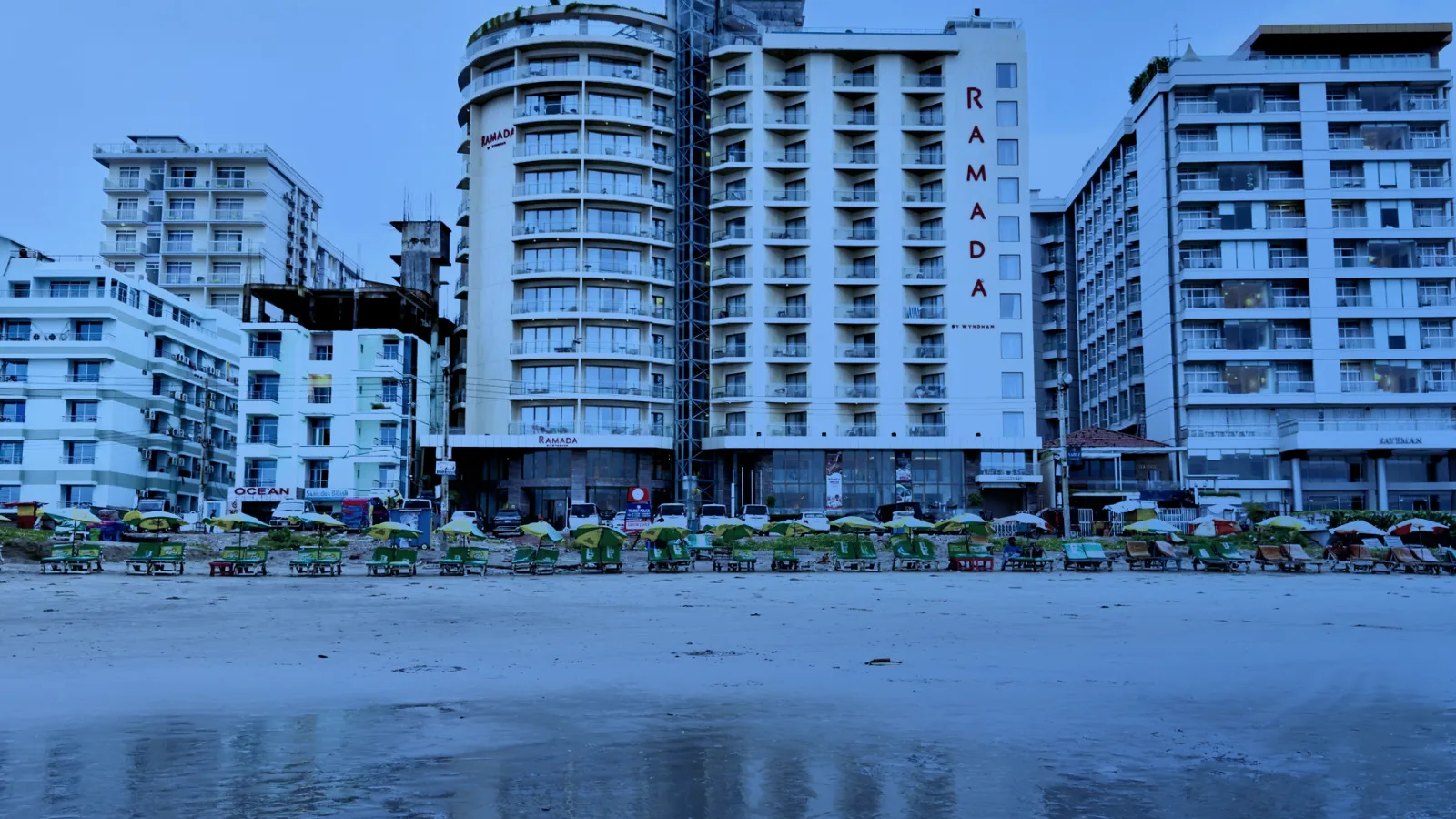
During the closed months the duct of a beach lodging does not get dirtier, but the dust it already had absorbs humidity and salt, the condensate pans are left with stagnant water and porous liners can develop mold. A safe reopening follows an order: look at the pan and filter, inspect the interior with a camera before switching on, clean only the loaded sections and photograph the result before receiving guests.
What happens inside a duct closed for months
A duct in use moves dry, cold air several hours a day, and that keeps its interior below the ambient humidity. A duct switched off evens out with the air of the closed house. On Panama’s Pacific and Caribbean beaches that means months with relative humidity above 78%, which is what ETESA records at Tocumen between May and November. The fine dust left on the duct floor turns into a damp layer that sticks to the sheet metal or the liner.
The EPA and NIOSH building guide points out two things that apply squarely to a closed lodging: stagnant water in the pan under the coil lets mold and bacteria grow if it is not cleaned often, and duct liner contaminated with microbial growth should be replaced. A lodging that closed with the pan half full in May opens in December with a problem that did not exist in April.
Salt and humidity: the coastal combination
Salt does not enter the duct on its own: it arrives with the air the breeze pushes through gaps and grilles while the unit is off. Deposited on galvanized sheet with high humidity it speeds up corrosion, and on grilles it leaves a whitish film you can see by running a finger over it. In ceiling units near windows facing the sea the return grille is often found with rust spots and the rigid filter with corroded edges.
To coordinate a visit related to beach lodgings, Climatiza answers inquiries and confirms availability according to the schedule of the place.
| Element | What happens to it while closed | Decision on reopening |
|---|---|---|
| Condensate pan | Stagnant water, slime and odor | Empty, clean and check the drain before switching on |
| Filter | Caked damp dust, corroded frame | Always replace, never clean |
| Sheet metal duct | Damp dust layer, rust spots | Camera first, clean only if there is a visible layer |
| Flexible duct with liner | Possible microbial growth on the liner | If the camera shows growth, replace the section |
| Grilles and diffusers | Salt film and stains | Wash and dry, check corroded fasteners |
Reopening checklist before the season
The most expensive mistake is switching the unit on the first day to “see how it is”. Switching on with a full pan and a caked filter pushes into the room what built up over months. The right order starts with the unit off.
- Open the unit cover and look at the pan: if it has water or slime, it is cleaned before anything else.
- Remove the old filter in a sealed bag and fit a new one of the same size.
- Ask for a camera check of the interior before switching on, section by section, with a photo of each grille.
- Check the condensate drain from outside: not blocked by leaves, sand or nests.
- Wash grilles and diffusers with water and let them dry before refitting.
- Switch on with the windows open for the first hour and check that no odor or dust comes out of the diffusers.
- Record the date and keep the photos in the season folder.
When to schedule cleaning against the calendar
Cleaning, if needed, is best done in the two weeks before opening, not at closing. Cleaning in May and leaving the duct idle six months through the humid season brings part of the problem back. Cleaning in November, with the unit ready to run daily, keeps the interior dry from day one. The general guide on when cleaning makes sense and which method applies explains why timing matters as much as technique.
- At season close. Empty and dry the pan, remove the used filter, cover the return grilles and leave a record of how each unit was left.
- Midway through the closure. A visit from whoever holds the key to run the unit for an hour, check it drains and air out the house. Lowering indoor humidity costs less than fixing its effects.
- Three weeks before opening. Camera inspection and a decision per section: clean, replace or leave as is.
- One week before opening. Cleaning of the marked sections, new filter, test run and final photos.
What to show in the photos for guests
Beach guests book on photos and read reviews that mention a stale smell on the first night. A photo of the duct interior after the check, with the date visible, says more than a welcome text. It is worth showing the clean grille fitted, the new filter in its frame and a camera frame of the main section, with no claims of pure air or health: EPA notes that duct cleaning has not been shown to prevent health problems. Beach houses and apartments that spend seasons closed follow a similar logic, though a lodging with rotating guests needs to document it more carefully.
When the lodging has a front desk and several units, the work order of a hotel with floors and numbered rooms helps number units and grilles so that each season’s photos can be compared with the previous one.
Scheduling a review starts with a message to Climatiza, and the service page summarizes the process.
Sources
On this site
- Apartments and beach housesHow the work is organized in this sector
- Hotels and hostelsA neighboring sector
- Camera inspectionThe real condition before deciding
Climatiza and Radar Panamá
Frequently asked questions
Is it better to leave the air on during the closed months?
Not on all the time, but a few hours a week if someone can visit. Moving dry air through the duct keeps the interior from matching the humidity of the closed house. If nobody can visit, what protects most is closing with the pan dry and the filter removed.
Do the ducts need cleaning at every reopening?
No. They need looking at every reopening. The camera decides: a sheet metal duct that was closed with a dry pan and covered grilles is usually as it was left. It is cleaned when there is a visible layer or growth on the liner, and in that case the liner is replaced.
Does the first day stale smell go away on its own?
Sometimes, if it comes from the closed house and not from the duct. If the smell comes out stronger from the diffusers when the unit starts, it comes from the pan or the duct interior and does not leave by airing. That is the case where a camera check is justified before receiving anyone.
Keep reading

Request an inspection
Do you want to know the condition of your system?
A camera inspection lets you see the inside of the ducts before deciding what to do. Message us and we will confirm availability.
- +507 6388-2083
- info@climatizapanama.com
- Calle Gervasio García, 8, Panama City