
Spas
Spa with sauna and steam: how to keep humidity out of the ducts
The steam room and the sauna generate humidity on purpose. The rest of the spa needs the opposite. The boundary between both is set by the air, and the duct is the first door it slips through.
 By Limpieza de Ductos Panamá
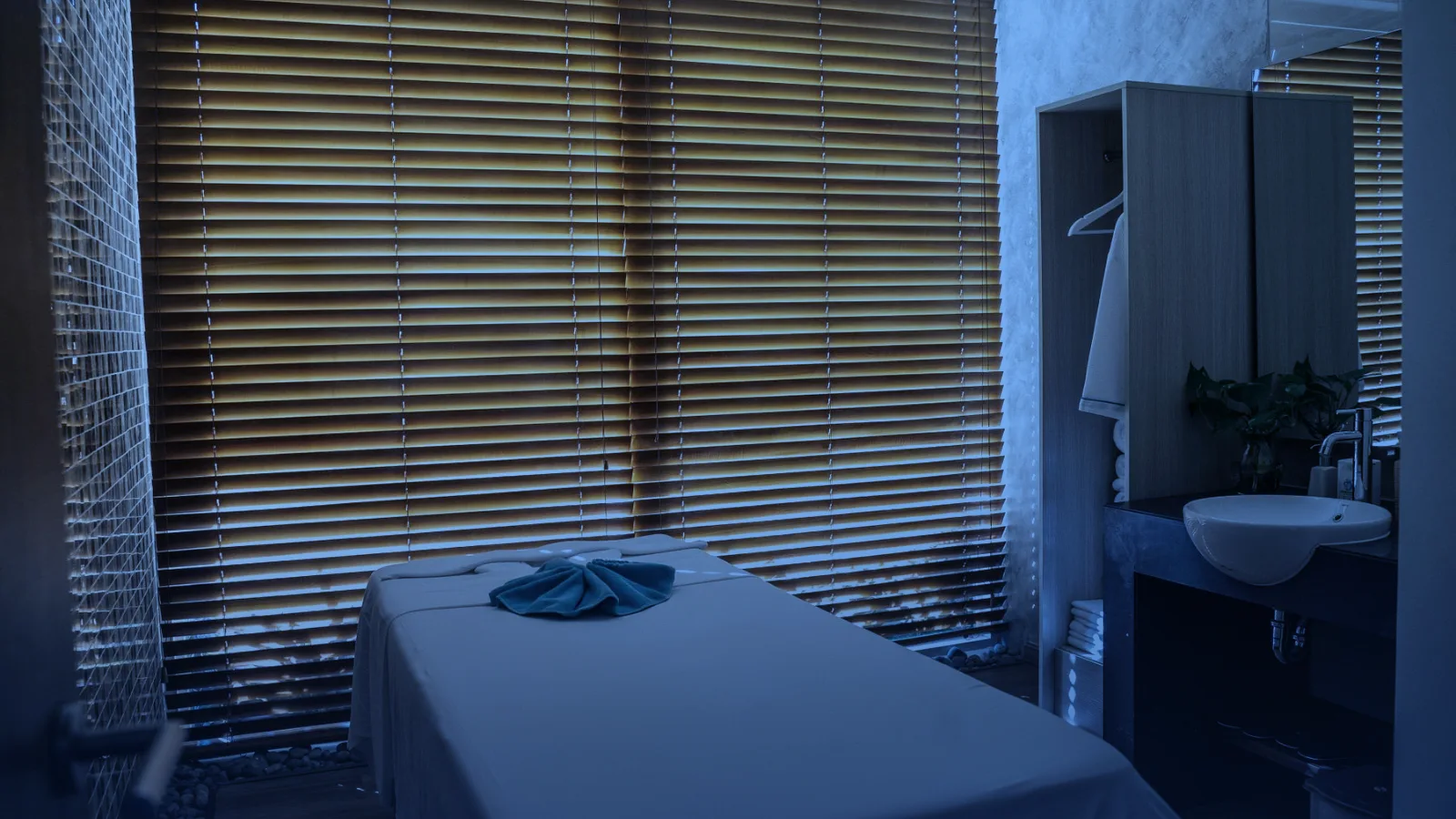
Spa humidity is kept out of the ducts with three measures: the steam room and the sauna have no air conditioning supply or return grilles, their steam leaves through dedicated exhaust to the outside, and the dry area is kept at slightly positive pressure relative to the wet one. Then the grilles closest to the boundary are checked, since they receive whatever escapes each time a door opens.
Wet and dry areas: the air boundary
A spa has two climates under one roof. The steam room works with saturated air and the sauna with dry, very hot air, while the massage rooms, reception and relaxation lounge call for fresh, dry air. When the same duct system serves both sides, steam escaping when the steam room door opens enters through the nearest return, condenses in the duct and reaches the treatment rooms as humidity and smell. The EPA recommends venting moisture-generating equipment to the outside and keeping the interior below 60 percent relative humidity, and in Panama that target already starts from an outdoor annual average of 75.7 percent according to ETESA.
| Measure | What it solves |
|---|---|
| No air conditioning grilles inside the steam room or the sauna | The system neither draws saturated air nor spreads it across the spa |
| Dedicated steam room exhaust to the outside | Steam leaves where it should, not through the door |
| Vestibule or double door between the wet and dry zones | Cuts the puff of steam every time a client walks in |
| Dry zone at slightly positive pressure | Air flows from the dry area to the wet one, not the other way |
| Dry zone return away from the steam room door | Whatever escapes does not go straight into the duct |
Essential oils and residue on grilles
Aromatherapy diffusers and massage oils add a load different from humidity: very fine oil droplets that travel with the air and settle on the fins of return grilles and in the first stretch of duct. That oily film does not evaporate, holds dust from towels and cotton, and with the humidity escaping from the wet zone becomes a soft deposit that smells of stale product. It is recognized because the grille feels greasy and the cloth comes away yellow.
What to check in treatment rooms and locker rooms
- The return grille closest to the steam room door: if it shows droplets or rust marks on the screws, steam is getting into the duct.
- Bubbling paint or stains around the diffusers of treatment rooms next to the wet zone.
- Air direction at the vestibule door, with a strip of paper: it should move toward the wet zone, not toward the treatment rooms.
- Steam room extractor running with real draw, not just the motor humming.
- Locker room grilles: OSHA lists them among the spaces that load contaminants when they lack local exhaust, and in a spa they also receive wet clothing and showers.
- Air handler condensate pan: with humid air it produces more water and overflows if the drain is slow.
With that list in hand, the camera enters through the grille closest to the boundary and follows the duct to the air handler. If there is condensation, it shows as droplets or as a dark strip along the bottom of the duct. The way a spa is covered between closed treatment rooms and open areas sets the order of the visit.
Behind this guide is Climatiza, an inspection and duct cleaning service, which always starts from the real condition of the system before proposing any work in spas.
Frequency for hotel spas and urban spas
A hotel spa usually shares an air handler with guest room floors or with the gym, and its steam room runs many hours a day because of continuous occupancy. An urban spa opens by appointment and peaks on weekends, but its system is its own and smaller. In the first, the review is coordinated with hotel maintenance and focuses on the point where the spa duct joins the rest of the building, because whatever enters there spreads to other floors. In the second, checking the boundary and the spa’s own air handler is enough. In both, the sign that brings the visit forward is the same: grilles with droplets or a greasy feel and a stale product smell in rooms unused that day. The estimator that turns use and warning signs into an attention level gives a starting cadence, and the criteria on when to clean and when it is not needed keep cleaning from becoming a habit.
How to document it for clients
A spa sells calm, and clients ask about the air more than in any other premises. What can be shown without promising anything is the real condition: dated photos of the duct interior at the boundary between zones, a humidity reading in the relaxation lounge at the same hour before and after, and the record that the steam room extractor was checked. The EPA notes that duct cleaning has never been shown to prevent health problems, so the client sheet talks about maintenance and separation of areas, not benefits. If the spa sits inside a hotel, the logic of a hotel with floors and common areas explains why the report also reaches the building manager.
Scheduling a review starts with a message to Climatiza, and the service page summarizes the process.
Sources
On this site
- Beauty salons and spasHow the work is organized in this sector
- Hotels and hostelsA neighboring sector
- Camera inspectionThe real condition before deciding
Climatiza and Radar Panamá
Frequently asked questions
Can the steam room have its own air conditioning grille?
It is not advisable. A supply grille inside the steam room fills with condensation and a return draws saturated air into the duct. The steam room is ventilated with its own exhaust to the outside, and the air conditioning stays in the vestibule and the treatment rooms.
How do I know whether steam has already entered the duct?
Through the grille closest to the steam room door: droplets on the fins, rust on the screws or stains on the ceiling around it. The camera confirms it by showing a dark strip or droplets along the bottom of the duct. If the duct is dry there, the boundary is working.
Do aromatherapy oils damage the duct?
They do not damage it, but they leave a film that holds dust and humidity on grilles and the first meters of duct. It is cleaned with mechanical agitation and vacuuming, and reduced by placing aroma diffusers away from return grilles.
Keep reading
Request an inspection
Do you want to know the condition of your system?
A camera inspection lets you see the inside of the ducts before deciding what to do. Message us and we will confirm availability.
- +507 6388-2083
- info@climatizapanama.com
- Calle Gervasio García, 8, Panama City