
Senior care homes
Senior home: ducts and air in the resident rooms
In a hotel the room empties every morning. In a senior home, the same person breathes the air from the same diffuser twenty hours a day, for years. That changes the order of everything.
 By Limpieza de Ductos Panamá
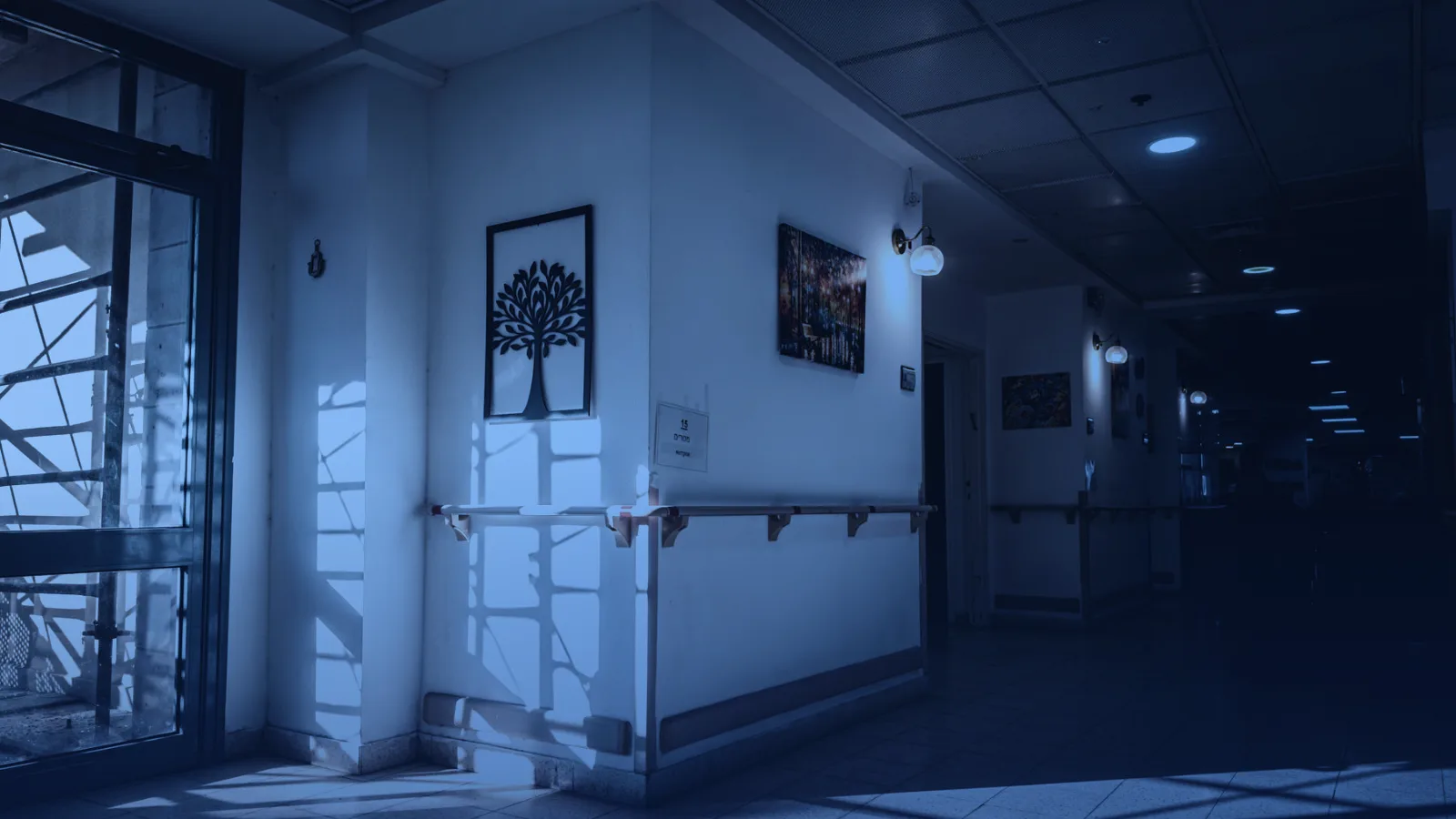
In a home where residents hardly leave their room, the diffuser and return of each room are checked first, then the dining room and the common lounge, and the corridors last. The checks look for rim dust, duct moisture and bedding fiber in the return. The work is organized by wings, without relocating anyone, and documented for the ministry and the board.
Continuous stay: the difference from a hotel
A hotel turns guests over and airs the room between one and the next. A senior home gets no such break. The room is occupied continuously, with the door closed much of the day, with the air conditioning running to keep humidity under control and with bedding, blankets and towels changed daily and shedding fiber every time. The return of that room works more hours than that of any hotel in the city.
With the outdoor humidity ETESA records for the city, 75.7 % on average and above 80 % in October, switching off the air is not an option in most homes. The unit runs almost without pause, the coil condenses all day and the duct rarely dries out inside. That is the technical starting point, and it differs from an apartment building with varied schedules of use.
Rooms and dining room: where to check first
| Space | Occupied hours per day | What is checked first |
|---|---|---|
| Resident room | 18 to 22 | Diffuser rim above the bed, return with bedding fiber, moisture in the section |
| Dining room | 3 to 4, with everyone at once | Diffusers above the tables and the return closest to the kitchen |
| Common lounge and television room | 4 to 6 | Low return, at armchair and wheelchair height |
| Nursing station and treatment room | Staff all day, residents for minutes | Diffuser above the work table |
| Corridors | Transit | Access panels to the main duct |
The table orders the survey by hours of stay, not by room size. The dining room comes second even though it is the largest space, because it gathers all residents at the same time three times a day. The EPA Building Air Quality guide recommends that whoever manages a building document the air system by zones and keep the maintenance records, and in a home the natural zone is the wing.
The fieldwork is carried out by the Climatiza team, who check branches, grilles and air handlers and record the result in an illustrated report, also in the case of senior care homes.
How to work wing by wing without moving residents
- Divide the home into wings according to the duct, not the corridor. Each wing is the set of rooms hanging from the same unit or branch. It is confirmed on the drawing or with cold smoke. That way, when a section is worked on, only that group of rooms notices anything.
- Use the dining hour for the rooms. During lunch the rooms of the wing are empty for 60 to 90 minutes. That is the window to photograph diffusers, change filters and run the camera through the branch of that wing.
- Use nap time and night for the dining room and the lounge. They are the only times the common spaces are empty. Cleaning a section above the dining room is done at night, with tables and chairs covered.
- Never open the duct above an occupied room. If a resident does not go down to the dining room for health reasons, their room is skipped and noted. The team returns another day or works from the corridor panel.
- Close each wing before moving to the next. Before and after photos, new filter with a date, sections without access noted. One wing a week is a pace the nursing staff can keep up with.
Which sections are surveyed and how long each takes is in the description of the camera inspection. The logic of areas with vulnerable residents and access protocols resembles that of a hospital with wards that cannot close, with the difference that here the calendar is set by meals and nap time.
What to tell the families
Families ask three things: whether their relative will be moved, whether they will breathe dust during the work and what was found. It is best to answer before they ask, with a short note from management a week before each wing. The note says which day the wing is worked on, that nobody changes room, that the duct above each room is opened only when it is empty, and that photos will be available afterwards for anyone who asks.
What they are not told is that the cleaning protects their relative’s health, because the EPA and the CDC state that duct cleaning has not been shown to prevent health problems. They are told what is true: that the condition of the duct was seen with a camera, that what was there was removed and that there is a dated record. The criteria used to decide are in how it is decided which section is cleaned and which is left.
Record for the ministry and the board
- Drawing of the home with the wings marked according to the air unit feeding them.
- Per wing: work date, window used, rooms checked and rooms skipped with the reason.
- Photos of the diffuser rim and the return of each room, before and after, with the room number.
- Condition of the coil and the condensate tray of each unit, with the date of the new filter.
- List of sections with moisture or deteriorated liner and the repair recommendation, kept separate from cleaning.
- Copy of the note sent to the families and the date it was sent.
That file answers the ministry inspection and the board’s question about where the maintenance budget went. To estimate the level of attention the home needs before requesting a visit, the site inspection planner is useful.
Scheduling a review starts with a message to Climatiza, and the service page summarizes the process.
Sources
On this site
- Hospitals and clinicsHow the work is organized in this sector
- Residential towers and PH buildingsA neighboring sector
- Camera inspectionThe real condition before deciding
Climatiza and Radar Panamá
Frequently asked questions
Do residents have to leave the room for the duct to be checked?
Not for the camera, which goes in through corridor panels. To open the duct above a room the team waits until it is empty, usually at mealtime. If the resident does not leave, that room is left for another day.
How often are the ducts of a senior home checked?
There is no frequency set by regulation in Panama. With air running all day, the reasonable approach is to check filters and trays monthly, photograph the room diffusers every quarter and run the camera when moisture, odor or rim dust appears.
Does air conditioning running all day dirty the duct more?
It moves more air and therefore more fiber and dust toward the filter, and keeps the coil damp without pause. The effect shows on the filter, which loads up sooner, and in the tray. The duct itself gets dirty according to what passes the filter, which is why the frame must be well sealed.
What about rooms of residents on oxygen or bedridden?
Those rooms are marked on the drawing and checked only from the corridor panel, without opening the room ceiling. The report lists them as partially checked and explains why, so the board and the ministry see it in writing.
Keep reading

Request an inspection
Do you want to know the condition of your system?
A camera inspection lets you see the inside of the ducts before deciding what to do. Message us and we will confirm availability.
- +507 6388-2083
- info@climatizapanama.com
- Calle Gervasio García, 8, Panama City