
Amador
Amador: seafront restaurant, does the salty breeze damage the ducts?
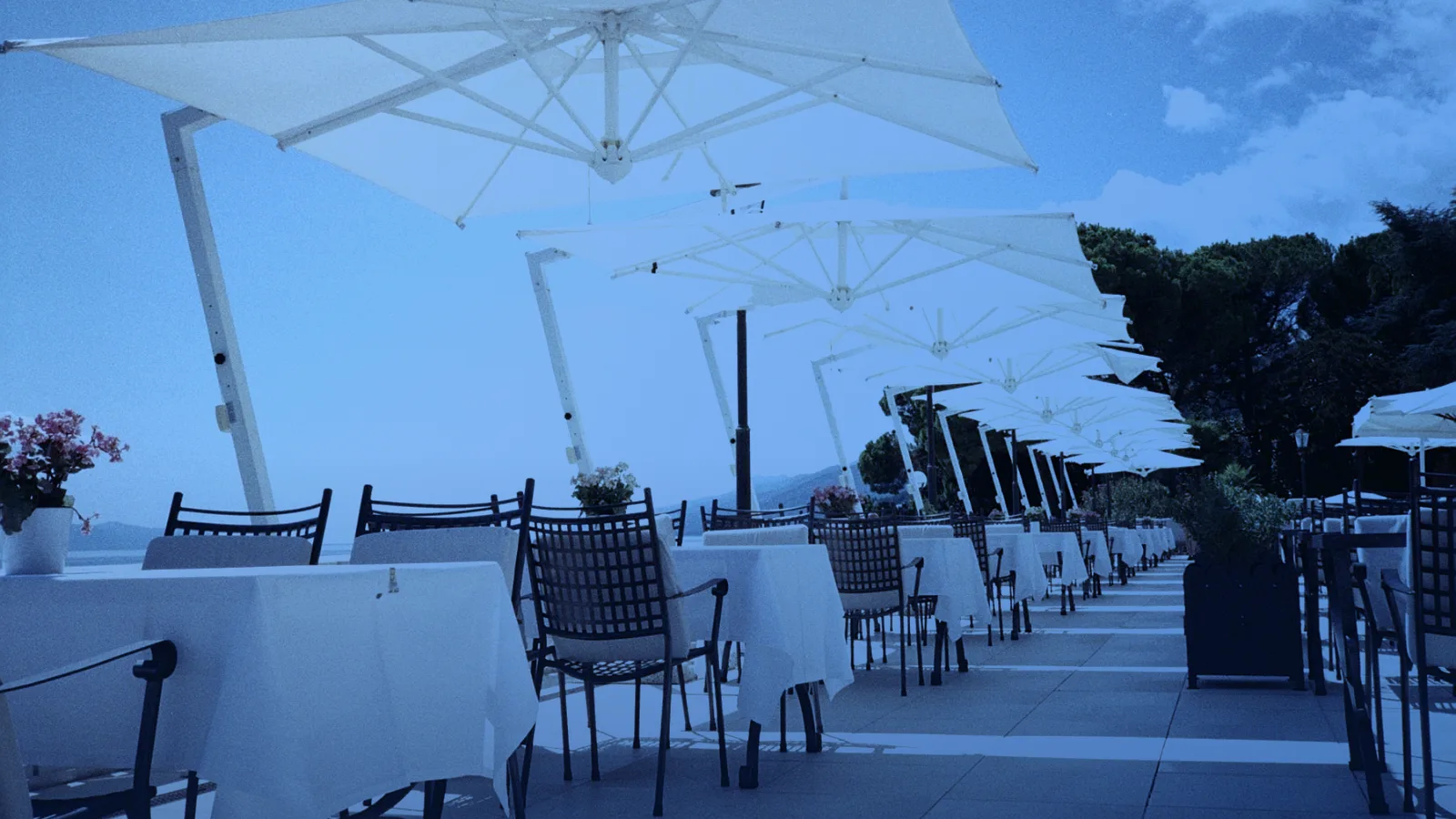
A restaurant on the Amador causeway lives with its door open to the Pacific. The breeze that fills the terrace also enters through the nearest grilles.
 By Limpieza de Ductos Panamá
Yes, the salty breeze affects the ducts of a restaurant in Amador, above all the grilles and the first duct runs next to the open terrace. Salt settles with humidity, attacks the galvanized coating and shows up as white spots or rust stains. It is confirmed with a camera inside the duct, from the dining room toward the unit, and the frequency is set by what that image shows.
The Amador causeway was built from 1908 as a breakwater with rock from the Culebra Cut, joining the islands of Naos, Perico and Flamenco, as TVN recalls. It is a narrow strip with water on both sides, so every venue has sea in two directions and wind that shifts with the tide. A restaurant with an open terrace does not get an occasional breeze: it gets air loaded with chlorides throughout service.
Sea breeze and open terrace
Salt does not corrode on its own. It needs moisture to dissolve on the metal, and in Panama the mean annual relative humidity is around 75.7% according to the ETESA and IMHPA climate study. With an open terrace, outdoor air comes in, cools as it crosses the air conditioned dining room and condenses on cold surfaces. The supply grilles closest to the terrace get wet first and show damage first.
The American Galvanizers Association describes tropical marine environments as almost as corrosive as industrial ones for galvanized steel, and notes that wind speed, wind direction and proximity to the coast change the pace of deterioration. In Amador the proximity is total and the wind blows almost constantly, so the question is not whether corrosion will occur but where it starts and how far it advances each season.
Anyone who needs to see the real condition of the ducts in the case of Amador can request a camera inspection from the team at Climatiza, a technical duct cleaning service in Panama, which documents every section with images.
Corrosion on grilles
The grille is the thermometer of the system. Before a duct loses thickness, the grille has already shown what is going on, because it is the part that receives outdoor air, kitchen steam and wet cleaning cloths. These are the signs a manager can spot without opening anything.
- White, gritty dust on the vanes that returns a few days after wiping: it is crystallized salt.
- Rust spots on the screws and frame before the center of the grille.
- Dark stains on the ceiling around the grille, from condensation that drips.
- Terrace grilles with more damage than those at the back of the room: the difference maps the exposed zone.
- A damp smell when the unit starts in the morning, after the duct stayed cold all night.
What to check in dining room and kitchen
The dining room and the kitchen have different problems and should not be mixed in a single visit. The dining room receives the breeze. The kitchen has its own exhaust, but its air conditioning grilles receive steam and grease. The camera that travels inside the duct separates both cases and leaves photos of each run.
| Area | What is looked for | What it decides |
|---|---|---|
| Terrace grilles and first 3 meters | Salt, rust at joints, condensation | Grille replacement or treatment of the run |
| Interior run of the dining room | Dry dust, condition of the galvanized coating | Whether cleaning is needed or only monitoring |
| Kitchen air conditioning grilles | Grease film over the salt | Separate cleaning with a different method |
| Main return | Moisture in the filter, corrosion on the frame | Filter change and drain pan check |
Frequency for the causeway
There is no single calendar for Amador. The sensible path is to look with the camera once, set the starting condition with photos and look again at the end of the rainy season, when humidity has been above 78% for months. If the second image shows progress at the joints, the interval shortens. If not, it stays. A venue with a glassed in terrace can stretch the interval compared with an open one, and that is how a visit to a restaurant in full service is organized in practice.
It helps to be clear that cleaning the duct does not stop corrosion. It removes salt and dust, which lets the camera see the metal, but the cause is the air coming in. That is why on the causeway the decision usually includes aluminum or stainless steel grilles in the exposed zone, not just cleaning.
Routine for the manager
- Wipe the terrace grilles with a dry cloth every week. If white dust stays on the cloth, note it with the date. It is the cheapest record of exposure.
- Photograph the same four grilles every month. Two on the terrace, two at the back. Comparing both pairs shows whether damage is advancing.
- Ask the maintenance provider to check the condensate pan. A pan with standing water adds humidity to the run and speeds up what the breeze started.
- Keep the photo report from each inspection. It serves the concession file and lets you compare with what happens in a beach house closed for months, where salt works without ventilation.
Under Law 21 of 1997 Amador remains an area planned as a mixed use tourism center, with venues that change concession holder and owner. Whoever takes over a restaurant on the causeway inherits its ducts. It pays to know the starting condition and to place it against what is checked in the causeway venues.
Those who want to go from this reading to a real review can start at the Climatiza service page or write through the main Climatiza site.
Sources
On this site
- Restaurants and coffee shopsHow the work is organized in this sector
- AmadorThe area and its building types
- Camera inspectionThe real condition before deciding
Climatiza and Radar Panamá
Frequently asked questions
Do aluminum grilles solve the salt problem in Amador?
They reduce visible damage on the exposed part, but they do not change what enters the duct. Salty air keeps passing through. What they achieve is that the grille stops being the point where rust first appears, which makes it easier to monitor the interior run with a camera.
Does glassing in the terrace protect the restaurant ducts?
It helps, because it reduces the outdoor air crossing the dining room and the condensation on grilles. It does not remove it, since doors open with every table and the return keeps drawing room air. Treat it as an improvement, not a complete fix.
How do I tell salt from ordinary dust on a grille?
Salt feels gritty, is white or light gray and reappears within days even after a thorough wipe. Ordinary dust is darker, builds up slowly and leaves no crystalline trace. A well lit photo of the vane helps compare them.
Does the inspection force the restaurant to close?
No. The camera goes in through existing grilles and the work is scheduled outside service hours, usually in the morning. The report is ready for management and for the concession file without interrupting operations.
Keep reading

Request an inspection
Do you want to know the condition of your system?
A camera inspection lets you see the inside of the ducts before deciding what to do. Message us and we will confirm availability.
- +507 6388-2083
- info@climatizapanama.com
- Calle Gervasio García, 8, Panama City