
Event halls
Hotel event hall: ducts between bookings and catering
An event hall is rarely empty by choice: it is empty between the teardown of one event and the setup of the next. That is the only real window, and it has to be measured before anything is promised.
 By Limpieza de Ductos Panamá
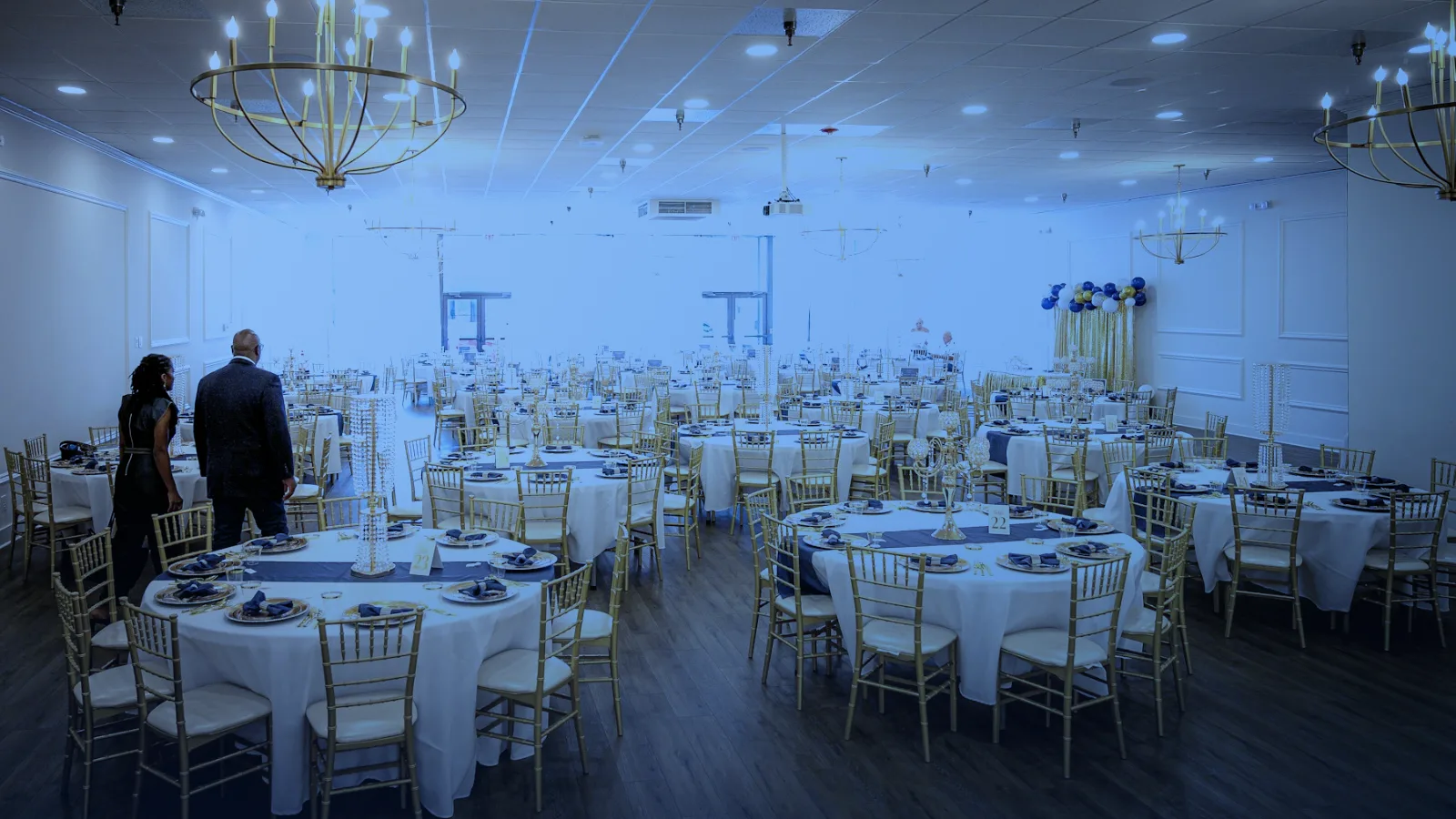
The inspection fits into the teardown and setup window that the banquets team already knows, not on a separate date. First the booking calendar is requested, the gaps between two events are identified and the work is split into sections: camera inspection in a short gap, cleaning of one room or one branch in a long gap. Catering decides which grilles to check first, and the movable partitions define where the system is divided.
Back-to-back bookings: where the window is
The calendar of an event hall has three states: booked, in setup and free. What the booking system does not show is the real time between the last supplier of one event leaving and the first of the next arriving. That margin is known by the banquets manager, not by the sales diary, and it is the figure that decides what fits.
Two tasks are best kept apart. The camera check of the grilles and the first duct section fits in a short gap, because it is done from the hall, without taking anything down and without switching the system off. Cleaning a whole branch needs the hall empty, the air off in that zone and time to leave everything closed and tidy before setup walks in. Mixing the two in one visit is the most frequent mistake.
| Available window | What fits | What is better not attempted |
|---|---|---|
| Gap between teardown and setup on the same day | Camera at the grilles, photos of filter and diffusers | Opening sections or cleaning branches |
| Free night between two events | Cleaning one room or one branch, with closing and cleanup | The whole system at once |
| Two or more days without bookings | Full system in phases, room by room | Leaving the air handler for last without notice |
Catering and odor in the hall
Hotel catering enters the hall with hot trays, live cooking stations and trolleys waiting in the service corridor. The hall return draws in that food vapor and carries it to the filter and the first duct section. When the next event is a wedding or a corporate meeting, the smell of the previous lunch is the first thing the organizers notice on walking in.
Behind this guide is Climatiza, an inspection and duct cleaning service, which always starts from the real condition of the system before proposing any work in event halls.
That is why the check starts at the grilles closest to the service door and the live cooking stations, not at the center of the hall. The section between those grilles and the filter takes the heaviest load. The rest of the system is usually much cleaner and often needs no work at all, which is precisely what a camera lets the team prove before scheduling any cleaning.
Divisible rooms and movable partitions
Many hotel halls split into two or three rooms with movable partitions, and each half can host a different event at the same time. What matters for the duct is whether the air zoning matches the room zoning. If each half has its own branch and its own return grille, one half can be checked while the other stays in use. If both sides share a return, it cannot.
- Duct drawing of the hall with the position of each movable partition drawn over it.
- Which return grille serves each half when the partition is closed.
- Whether the system allows one branch to be switched off without shutting the whole hall.
- Where the air handler sits and which corridor reaches it without crossing a live event.
- Which diffusers are hidden behind the partition when it is deployed.
Coordination with the banquets team
The EPA and NIOSH Building Air Quality guide recommends, when working in an occupied building, blocking the return registers of the work zone so that whatever moves there is not recirculated into the areas in use. Carried over to a hotel, it means the branch being worked on is isolated and the neighboring room keeps receiving normal air. That decision belongs to the technician and the hotel engineer, not to banquets, but banquets has to know it so the partition is not opened halfway through.
- Request the booking calendar with supplier out and in times. The real teardown and setup times define the window, not the event time.
- Assign each section of the system to a specific gap. One branch per free night, the camera in daytime gaps, the air handler in the longest gap.
- Confirm with banquets who opens, who closes and who signs off. A single hotel person receives the crew and checks the tidied hall before setup.
- Record which branch is done and which is next. The inspection planner keeps the sequence from depending on anyone's memory.
Report for hotel management
Management does not need to see every camera image, it needs to know whether the hall is in shape for the next events season and what is still pending. A useful report keeps the event hall apart from the rest of the hotel, because the load of a hall with catering looks nothing like that of the guest room floors or of the restaurant kitchen, which has its own extraction system.
What is worth asking for: one line per branch with the date, the booking gap that was used, the before and after image of the heaviest section, the condition of the filter and of the air handler condensate tray, and the list of what was left alone because the camera showed it was not needed. With that, the next decision on when to clean again and with which method is made with data from the hall itself and not with a fixed date.
Scheduling a review starts with a message to Climatiza, and the service page summarizes the process.
Sources
On this site
- Hotels and hostelsHow the work is organized in this sector
- Restaurants and coffee shopsA neighboring sector
- Camera inspectionThe real condition before deciding
Climatiza and Radar Panamá
Frequently asked questions
Can the hall be checked while there is an event in the room next door?
Yes, if each half has its own branch and its own return. In that case the branch being checked is isolated and the other side notices nothing. If both sides share a return, the camera check still goes ahead, but the cleaning waits until the whole hall is free.
What about the food smell if only the filter is changed?
The filter holds part of the particles, but the catering vapor already deposited in the section between the service grilles and the air handler stays there. A new filter improves the air for a few days and the smell comes back. The camera shows whether that section has a deposit and whether cleaning it is worthwhile.
Does the hall have to be closed to the public for the camera inspection?
No. The camera goes in through the grilles from the hall and does not require switching the air off or taking anything down. It is scheduled in the gap between teardown and setup, with the hall empty of guests but not necessarily empty of staff.
Who from the hotel should be present during the cleaning?
One person from engineering or maintenance who knows the system and can confirm which branch is switched off, and someone from banquets who receives the tidied hall before the next setup. Two names and two phone numbers in the plan prevent most delays.
Keep reading

Request an inspection
Do you want to know the condition of your system?
A camera inspection lets you see the inside of the ducts before deciding what to do. Message us and we will confirm availability.
- +507 6388-2083
- info@climatizapanama.com
- Calle Gervasio García, 8, Panama City