
San Carlos
San Carlos: beach lodging, what to check before the dry season
The weeks before the dry season are the only ones in the year when a San Carlos lodging has empty rooms and time. Whatever is not checked then will be checked with guests inside.
 By Limpieza de Ductos Panamá
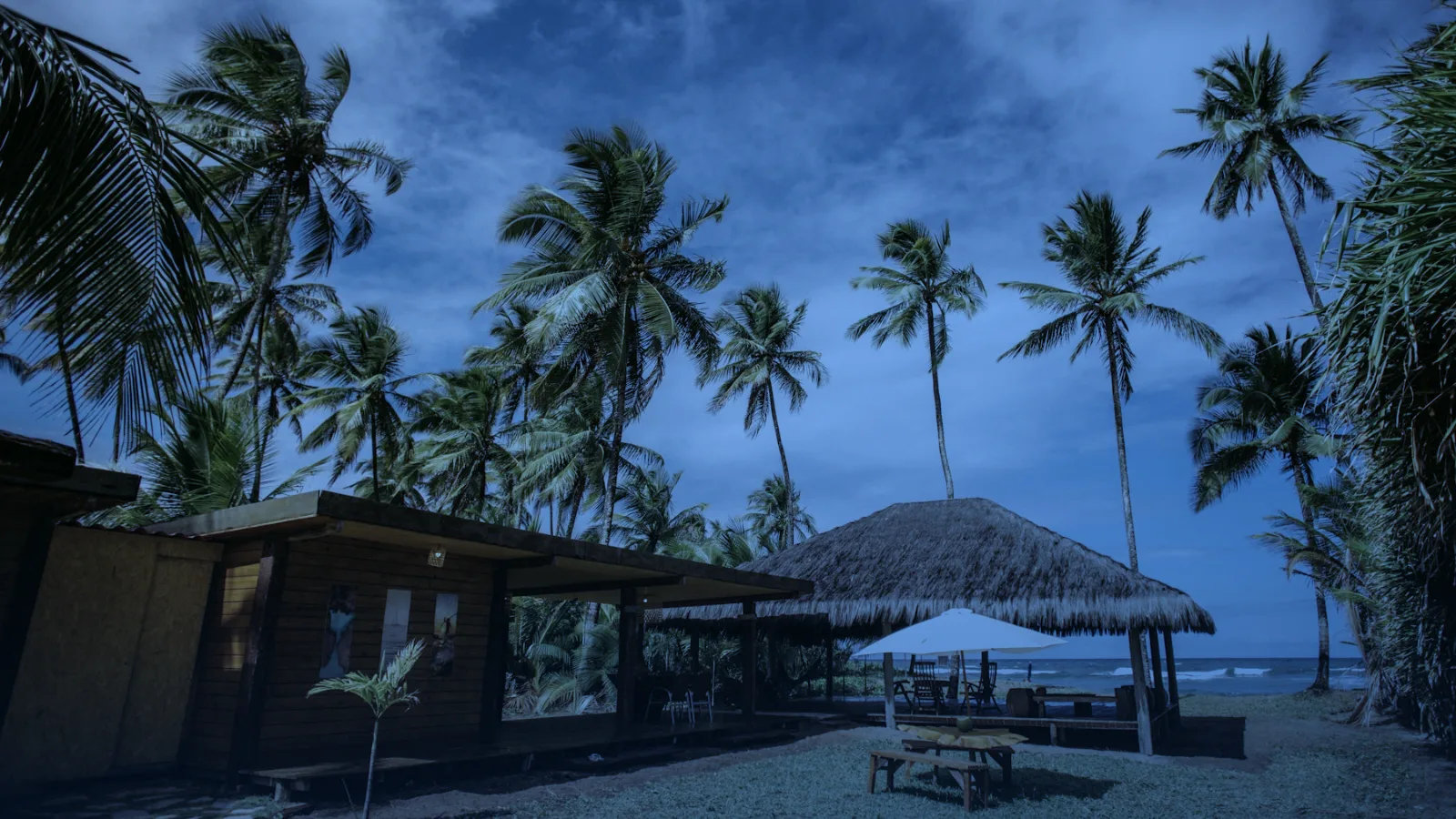
Before the dry season, a beach lodging in San Carlos checks its ducts in this order: filters and pans of each air handler, grilles in the rooms facing the sea, the dining room run where kitchen steam and the open door meet, and the joints where the humidity of the rainy months may have left marks. It is scheduled during low occupancy and closed with a photo report per room.
San Carlos is the least populated district of Panamá Oeste, with 22,201 residents in nine corregimientos according to the 2023 census, yet its mayor places it inside the Pacific Riviera, from Punta Chame to Farallón, and names El Palmar, La Ermita and Punta Barco among the beaches most visited by domestic and foreign tourists. For a small lodging that means a year split in two: rainy months with scattered bookings and a dry season when everything fills up. The air system goes from resting to running nonstop, and it pays to arrive prepared.
Dry season: the occupancy ahead
A San Carlos lodging with eight or ten rooms can go within weeks from two occupied rooms to all of them, with a full dining room at breakfast and doors opening a hundred times a day. Each room that is switched on puts into circulation whatever its duct gathered during the humid months. If the run holds settled dust and some moisture, the first guest of the season is the one who notices, and the one who writes the review.
ASHRAE Standard 180 for inspecting and maintaining commercial systems starts from a simple idea: inspect regularly and document, so decisions rest on evidence rather than complaints. In a beach lodging the season sets the regularity, and the camera provides the evidence.
When the system allows it, the review of San Carlos is done by camera through the existing access points, the way the Climatiza technical service performs it.
What to check in rooms and dining room
| Area | What is checked | What usually shows after the rains |
|---|---|---|
| Rooms facing the sea | Grille, first run, joint with the air handler | Crystallized salt, rusted screws, damp filter |
| Inner rooms | Filter and pan, startup smell | Standing water in the pan, gray dust in the run |
| Dining room and kitchen | Grilles near the kitchen pass and the door | Grease film over dust, condensation on vanes |
| Reception and hallways | Main return and its frame | Sand in the filter frame, air bypassing the filter |
The dining room deserves its own note. It is the only space where three things cross: steam and light grease escaping from the kitchen, outdoor air entering every time the terrace door opens, and many people at the same hour. Its grilles tend to be the most loaded in the lodging and the first to drip when occupancy rises.
When to schedule before the season
- While occupancy is still low: camera walkthrough. The camera goes in through each room and dining room grille and photographs every run. It is the moment when a room can be emptied without losing a booking.
- With the report in hand: decide room by room. Rooms showing only fine dust stay as they are. Those showing damp liner, debris or salt at the joints go on the work list.
- Before the first heavy bookings: cleaning where needed. Work goes by blocks of rooms, so the lodging never closes entirely and the dining room is done in a morning without service.
- At the close: new filters and a date on each frame. Entering the season with freshly fitted and dated filters is the simplest measure and the one most appreciated later.
Salt and humidity accumulated during the rains
The rainy months leave two things in coastal ducts. The first is humidity: according to the ETESA and IMHPA climate study, during the rainy months mean relative humidity stays between 78 and 82%, and a duct that works little in those weeks keeps that moisture in the dust at the bottom. The second is salt, which does not stop arriving because it rains, and which works faster on damp metal. That is why the joints and screws in seaward rooms are the points the camera inspection inside the duct looks at most closely before the season.
Report for guests and the administration
The useful report comes in two versions. The administration version orders findings by room, with a photo of each run, what was cleaned and what was left alone, and feeds the planner that sets the lodging’s next check. The guest version is one line in the listing or at reception: the date of the last inspection and a photo of the inside of a duct, with no claims about health or pure air, since the EPA and CDC do not back that claim.
A small San Carlos lodging does not have the maintenance department of a hotel that organizes work by floors and shifts, but it can copy its logic at scale: blocks, photos and dates. To compare with beach lodgings handled by the season and place the lodging within the district, see what is checked in San Carlos lodgings.
Questions about a specific building can be sent to Climatiza, and the service description shows what a visit includes.
Sources
On this site
- Apartments and beach housesHow the work is organized in this sector
- San CarlosThe area and its building types
- Camera inspectionThe real condition before deciding
Climatiza and Radar Panamá
Frequently asked questions
How far ahead should the check be done before the dry season?
With enough margin that, if the camera shows runs to clean or replace, the work finishes before the first heavy bookings. In practice that means doing it while occupancy still allows emptying rooms for a full day.
Do all rooms need cleaning or only those facing the sea?
Only those the camera shows as loaded. Seaward rooms usually have more salt and inner rooms more trapped humidity, but many show fine, even dust that does not justify cleaning. The room by room report avoids paying for what is not needed.
Can the dining room be checked with the lodging open?
Yes, in a morning between breakfast and lunch, or on a day without food service. The camera goes in through existing grilles and does not require closing the kitchen. If cleaning is needed, it is scheduled in the same gap.
What can I tell guests about the ducts without overstating?
The date of the last inspection, that cleaning was done where needed and that each room has new filters. Nothing about health, allergies or purified air: the EPA states duct cleaning has not been shown to prevent health problems.
Keep reading

Request an inspection
Do you want to know the condition of your system?
A camera inspection lets you see the inside of the ducts before deciding what to do. Message us and we will confirm availability.
- +507 6388-2083
- info@climatizapanama.com
- Calle Gervasio García, 8, Panama City