
Social clubs
Social club: ducts in halls, restaurant and the club gym
A social club does not have one kind of air but four or five, and each suffers for a different reason. Ordering them is what avoids overspending.
 By
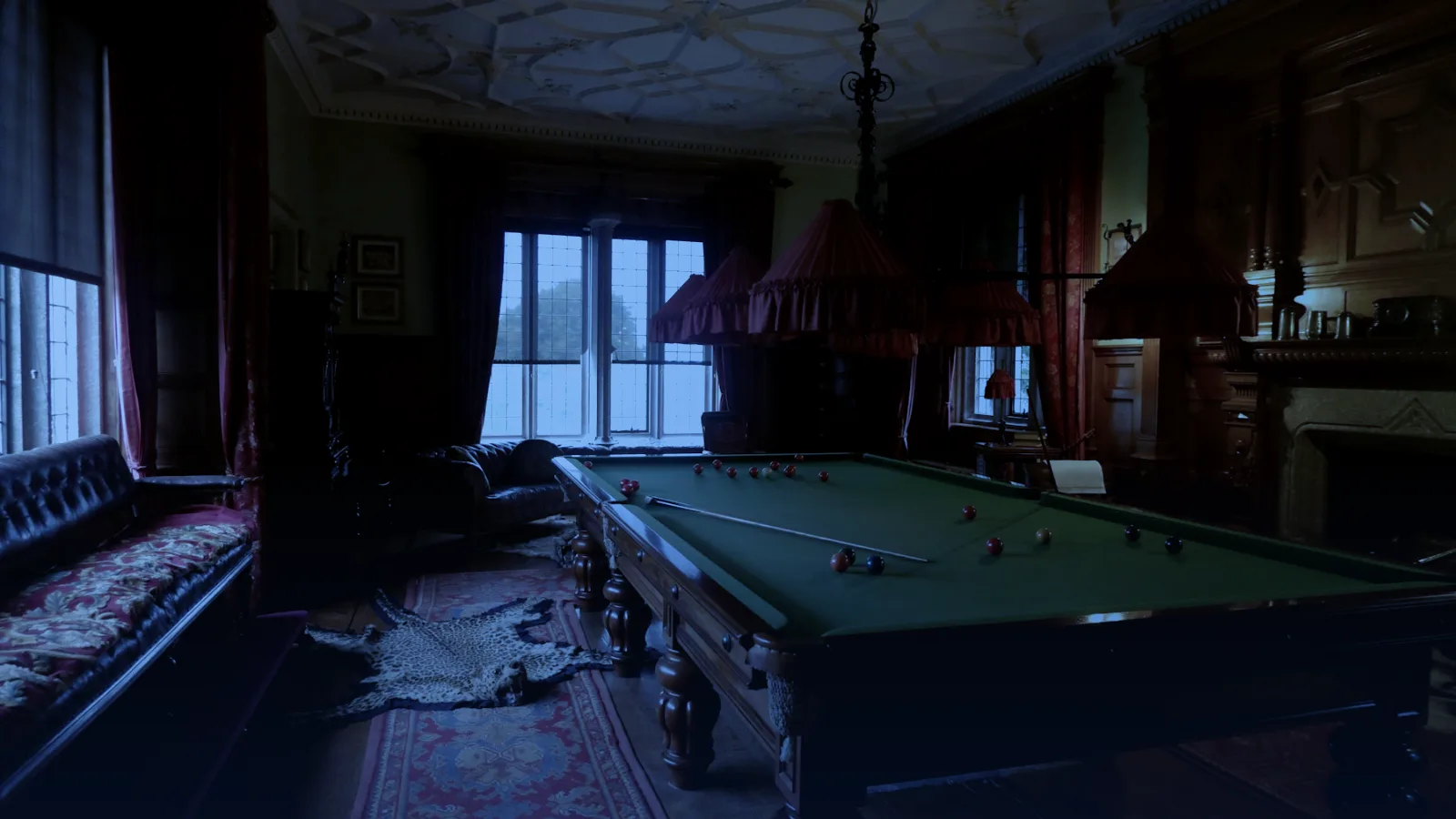
Duct maintenance in a club with several areas is organized by use: first the pool and locker rooms because of humidity, then the restaurant because of kitchen air, then the gym because of occupancy and finally the halls. Each area receives its own camera review and its own sheet, and the board decides with that report which sections are cleaned and which are only watched.
The board of a social club meets every month and almost always arrives with the same item on the agenda. A member complained that the event hall smells of damp, another said the gym “never cools”, and the administrator reported that the restaurant had to open its doors because the dining room smelled of frying. Four complaints, four areas and a maintenance budget that does not stretch to everything at once.
What helps in that meeting is to stop seeing the club as a single building and to see it as a set of spaces with different uses, loads and hours. That change of view is what makes it possible to decide in an orderly way instead of reacting to the loudest complaint.
Why does each area of a club load the air differently?
Because each produces something different. The pool and the locker rooms generate steam and constant humidity, which condenses on any cold surface. The restaurant releases kitchen aerosol and smells that travel through the return if it sits near the door. The gym concentrates people who breathe hard and sweat, so humidity rises with every class. The halls, by contrast, fill all at once for an event and then go days unused.
Behind this guide is Climatiza, an inspection and duct cleaning service, which always starts from the real condition of the system before proposing any work in social clubs.
| Area | What loads the air | What is looked at first |
|---|---|---|
| Pool and locker rooms | Steam and constant humidity | Pan, drain and insulation |
| Restaurant | Kitchen aerosol and smells | Return closest to the kitchen |
| Gym | High occupancy and sweat from classes | Filter and first section of the return |
| Event halls | Sudden filling and days without use | Pan and condition after disuse |
The EPA guide on mold in commercial buildings recommends keeping indoor relative humidity below 60% and condensate pans clean and freely draining. In a club, the pool and locker rooms are the two places where that criterion is hardest to meet, which is why they go to the top of the list even though they are the smallest spaces. A review of the literature on ventilation and occupant symptoms, published in Indoor Air, gathered evidence that air systems without adequate cleaning can be associated with more symptoms than natural ventilation, though it is an association and not proof of cause.
Why does it matter to order maintenance by area and not by complaints?
It matters because a complaint usually points to the symptom and not the cause. The damp smell of the hall may come from its own pan or from a neighboring leak. The gym’s lack of cooling may be a saturated filter and not an undersized unit. Reacting to the loudest complaint leads to cleaning sections that were not the problem. Ordering by areas, with a camera review in each, lets the board see the whole picture before spending.
It also matters for the comfort of members, who pay to be at ease, and for the condition of the equipment, which should run with up to date filters. And for governance: a board that decides with sheets per area can answer to the assembly without arguments. With one clarification, though. The EPA and the CDC point out that duct cleaning has not been shown to prevent health problems, so the club should not announce it as a sanitary measure, but as maintenance.
When the sheets arrive, the board usually wonders where to begin. A reasonable order follows the risk to the equipment and the facility and not the volume of the complaint: first what involves persistent moisture or standing water, then what affects the comfort of many people at once and last what is only cosmetic. That hierarchy makes clear why a pan with water in a technical room comes before a stained diffuser in the main hall.
What does the visit look like in a club with several areas?
The visit is spread over several short days and each area is worked at its quietest moment. The pool and locker rooms are checked on the weekly closing day or early in the morning. The restaurant, before opening, with the kitchen off and the manager present. The gym, before the first class, and the halls, the day after an event, once teardown has finished. In every area the sequence is the same: filter, return, first section with the camera, pan and drain, with dated and ordered photos.
An illustrative case, not a real client: a club with a pool, restaurant, gym and event hall. The camera shows the gym pan with standing water and a saturated filter, a film in the restaurant return closest to the kitchen and the event hall with no findings. The pool has the insulation of one branch darkened. The sensible decision is to correct the insulation and the drain first, clean the restaurant section and leave the hall under watch. The board sees on one page what is done now, what is watched and what is not needed.
Which mistakes repeat and what is worth asking for?
The most common mistake is contracting a single service for the whole club without distinguishing areas. Next come mixing the air of the restaurant kitchen with that of the halls, forgetting the pool drainage and budgeting a full cleaning before seeing a single image. It is worth asking for a sheet per area with the condition of the filter, the pan, the first section and the return, a classification of each section as clean, monitor or no action, and a note saying when and for how long each area is out of use. The rhythms of the restaurant resemble those of a hotel with several areas that cannot close all at once, and those of the gym follow the peak hours of a weight room with scheduled classes. The camera technique is in how a camera inspection is carried out, the criteria for deciding what is cleaned in when cleaning makes sense and when it does not and the overview of other places in the types of premises where ducts are reviewed.
More about the inspection and cleaning service that applies these criteria is on the Climatiza duct cleaning page and on the Climatiza home page.
Sources
On this site
- Hotels and hostelsHow the work is organized in this sector
- Gyms and sports centersA neighboring sector
- Camera inspectionThe real condition before deciding
Climatiza and Radar Panamá
Why does inspecting and cleaning ducts matter?
These are the technical reasons, with their source, why the condition of the ducts is checked before deciding. Duct cleaning has not been shown to prevent health problems according to the EPA and the CDC, and it is proposed only when the observed condition justifies it.
| Advantage | Data with source | What it means in practice |
|---|---|---|
| Require method and a report from the provider | NADCA published in 2025 the current edition of its ACR standard on assessment, cleaning and restoration of air systems. | It is an industry reference and not a seal: it helps ask for method, photographs and scope in writing. |
| Know whether cleaning is needed before deciding | The EPA states in its duct cleaning guide that cleaning is justified for visible mold, pests or a notable buildup of dust and debris. | A camera inspection documents the condition and allows a decision based on evidence, without unnecessary work. |
| Protect equipment performance | In a laboratory test with dust equivalent to one year of use, coil pressure drop rose between 6 and 30 % and efficiency (EER) fell between 1 and 9 % (Yang, Braun and Groll, ARTI, 2004). | It is a laboratory result and not a promise of savings: it points to the components worth checking. |
| A local figure that changes the decision | The Panama Tourism Authority has 1,419 registered lodging establishments with 39,276 rooms. Hotels account for 354 with 27,112 rooms, and hostels for 513 with 2,798. Panamá province holds 20,818 rooms, or 53.0%. (ATP, Lodging supply 2015-2025). | It is the sector context taken into account when planning the visit. |
Frequently asked questions
Which area does duct maintenance start with in a club?
With the pool and the locker rooms, because of constant humidity. The restaurant follows because of kitchen air, the gym because of occupancy and the halls because of disuse. Each area receives its own camera review.
Can the whole club be cleaned in a single intervention?
It is rarely wise. Each area has a different load and the camera usually shows that only some sections need it. It is decided by area and scheduled for the quietest moments of use of each.
What should the board receive after the review?
A sheet per area with images, the condition of the filter and the pan, the classification of each section and the list of pending items. With that document the board decides with data and can answer to the assembly.
What indoor humidity does the EPA recommend in the areas of a club with a pool and gym?
The EPA (2008) recommends keeping indoor relative humidity below 60 percent and condensate pans clean with free drainage. In a club, the covered pool and the gym locker rooms are where that criterion is hardest to meet, which is why they head the inspection list.
What is checked in the restaurant and event halls of a social club?
In the restaurant and bar, the return closest to the kitchen and that unit’s filter, looking for odor, fine grease, and moisture. In the halls, the diffusers over the dance floor and the general return after a large event, because of dust from setting up tables and decorations.
Keep reading the guide

Request an inspection
Do you want to know the condition of your system?
A camera inspection lets you see the inside of the ducts before deciding what to do. Message us and we will confirm availability.
- +507 6388-2083
- info@climatizapanama.com
- Calle Gervasio García, 8, Panama City