
Sector · Gyms and sports centers
In a gym the air works for many people at once: what is checked in its ducts
A gym brings together weight rooms, class studios and locker rooms, and in each one the air serves people who are on the move.
 By Limpieza de Ductos Panamá
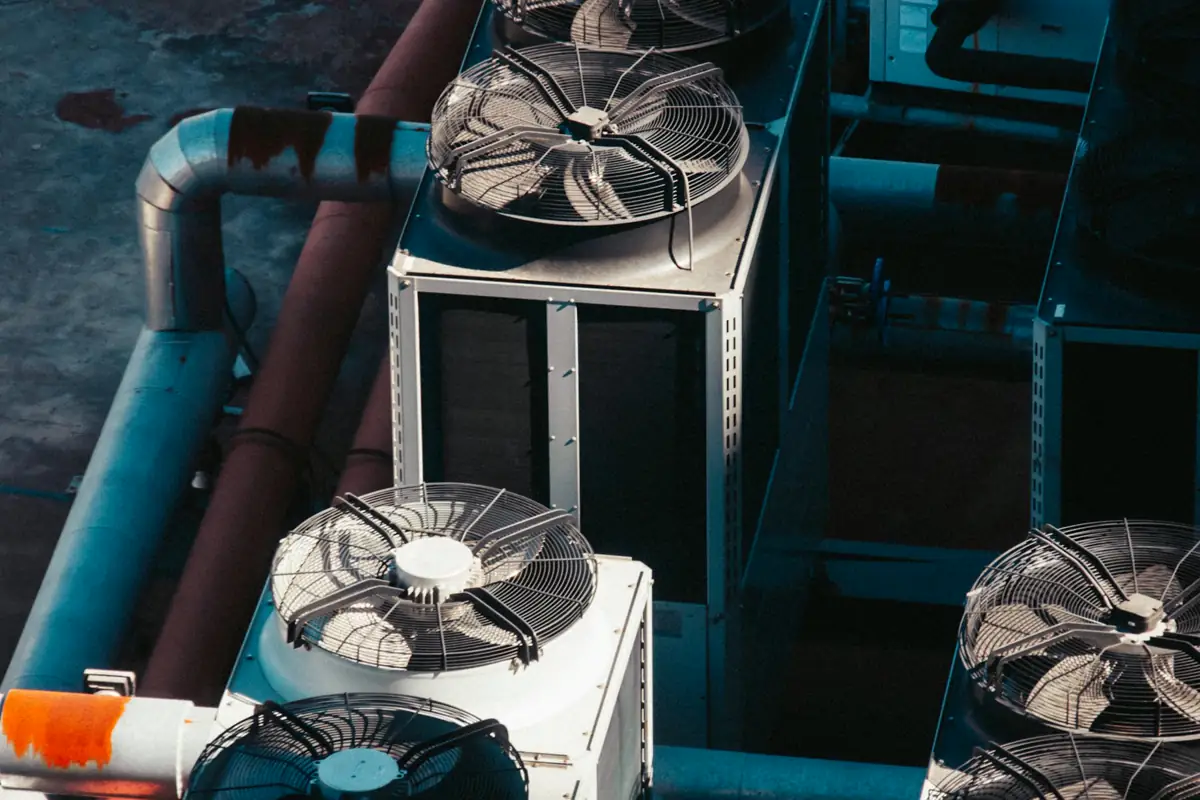
Duct cleaning in a gym is the camera inspection and cleaning of the inside of the air conditioning ducts serving weight rooms, class studios and locker rooms. It is scheduled room by room and outside the busiest hours, and cleaning is done only where the camera shows it is needed.
What sets gyms and sports centers apart
Facts that help decide in gyms and sports centers
- In Panama: In the Panama district, the Tocumen station records an average daily maximum temperature of 33.9 °C over the year and 35.3 °C in April, the warmest month (1977-2010 series). The annual mean is 27.3 °C. (ETESA, climate characterization of Panama and San Miguelito)
- Technical fact: A letter published in the CDC journal Emerging Infectious Diseases cites a minimum of 10 liters per second per person recommended by ASHRAE for health clubs. It is a ventilation reference and not a Panamanian standard. (CDC, Emerging Infectious Diseases, letter by Linsey Marr (2021))
- Peer-reviewed study: A study of 11 fitness centers in Lisbon found concentrations of CO2, volatile organic compounds and formaldehyde above national limit values, and concluded that it is crucial to optimize HVAC systems, ventilation rates and occupant behavior. (Ramos et al., Building and Environment (2014))
Types of place within gyms and sports centers
| Type of place | What changes in the work plan |
|---|---|
| Gyms and sports centers | A room-by-room plan, starting with the weight room and the best-attended class room |
| Social clubs | The gym units are kept apart from those of the hall and the restaurant |
| Rehabilitation centers | Exercise rooms reviewed with the person in charge of the center, and patient areas only if that person agrees |
| Yoga and pilates studios | Small rooms on a single unit, reviewed in one visit |
| Functional training centers | Large premises where air arrives from only a few points |
| Covered courts and sports halls | High ceilings and long ducts, with access doors set high up |
How the work is organized in gyms and sports centers
- Look room by room. The camera enters the weight room and the class studio first, then the locker rooms and reception.
- Choose the time slot. Together with management, the days and hours when a room can be out of use are chosen.
- Hand over the report. Each room ends with its photos and a note on what was cleaned and what is only monitored.
An example of what the report brings
What you are left with at the end
- A report organized by room, with photos of the inside of the ducts
- A note on the condition of the returns and the condensate pans
- The list of sections that could not be seen, with the reason
- A suggestion of when to look again, based on opening hours and attendance
Reference sources
- EPA: Should You Have the Air Ducts in Your Home Cleaned? (guide written for homes)
- EPA: Building Air Quality, a Guide for Building Owners and Facility Managers (guide for building managers)
- ANSI/ASHRAE/ACCA Standard 180: inspección y mantenimiento de sistemas HVAC comerciales (industry reference)
- Technical references of this site, with all 45 sources
On this site
- All sectorsWhat changes in each type of place
- Camera inspectionThe real condition before deciding
- Service areasWhere work is done
Climatiza and Radar Panamá
Frequently asked questions
Does the gym have to close for the ducts to be checked?
Not necessarily. It is agreed room by room, and the camera inspection is done in the slot when that room is free.
Are the locker rooms also checked?
Yes, if the plan includes them. They are areas with their own humidity, so they are viewed with the same camera and noted separately.
Does a small gym need the same as a large one?
With one or two units the visit is short, and the report says what was seen and what was not. In a large center a room-by-room plan is built.
What happens with classes already scheduled?
They are respected. The class calendar is requested before dates are set, and the busiest rooms are avoided.
How often does it make sense to check the ducts in gyms and sports centers?
There is no fixed frequency. It makes sense to look when there are odors or moisture in locker rooms or the class room, and after remodeling or equipment changes.
What does the report include for gyms and sports centers?
It brings photographs of the inside of the ducts. It is organized by room and notes which classes or time slots were taken into account.
Keep exploring

Request an inspection
Do you want to know what your place needs?
Tell us what type of place it is and which area it is in. A camera inspection shows the inside of the ducts before anything is decided.
- +507 6388-2083
- info@climatizapanama.com
- Calle Gervasio García, 8, Panama City