
Alcalde Díaz
Alcalde Díaz: self built addition with ducts, common mistakes
In Alcalde Díaz it is common for a house to grow in stages: a room at the back, a roof over the patio, a bigger living room. The ducts get stretched to reach it, and that is where the problems start.
 By Limpieza de Ductos Panamá
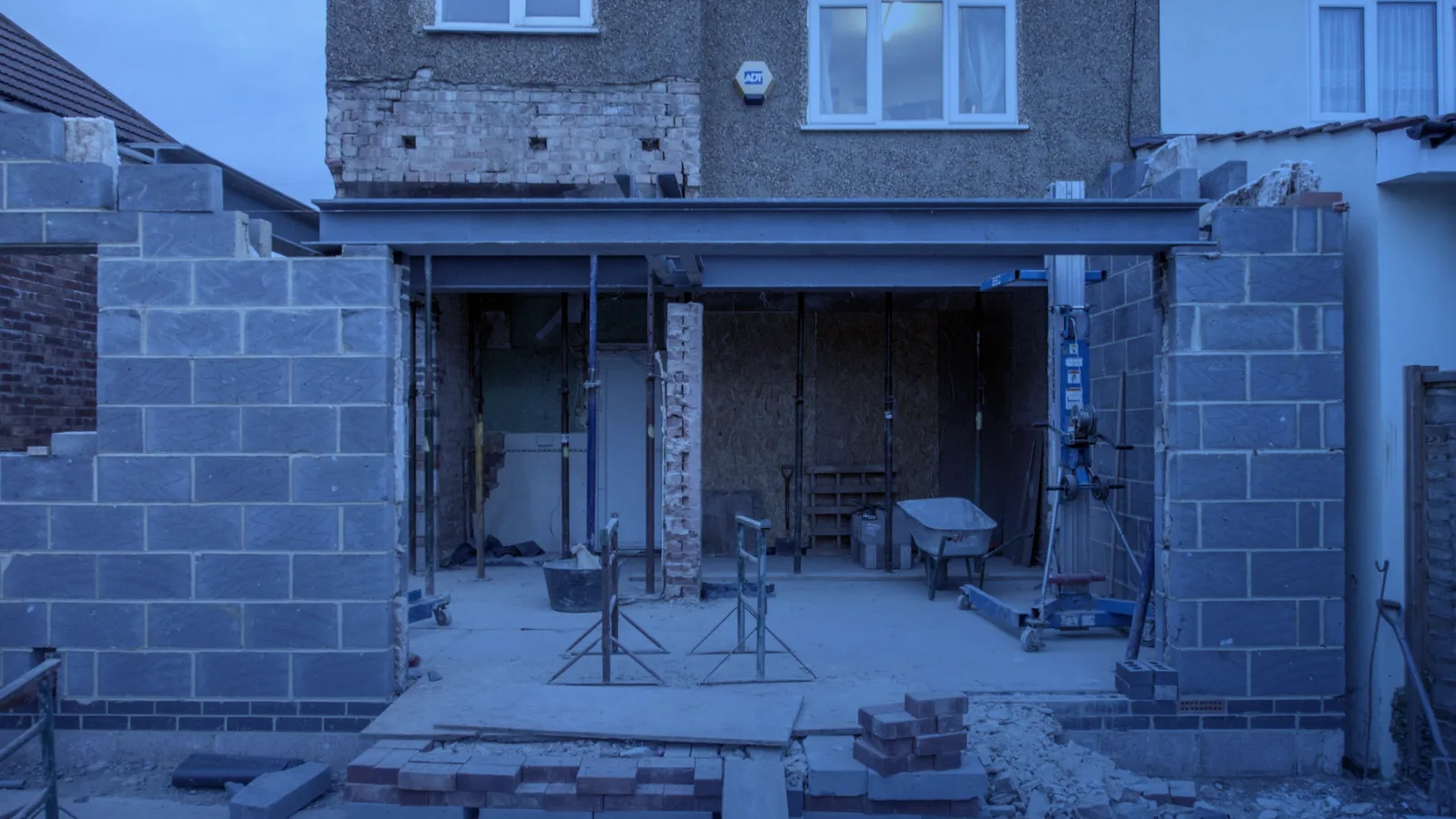
The most frequent mistakes when extending ducts to a self built addition in Alcalde Díaz are four: new runs without insulation that sweat in the attic space, joints closed with ordinary tape that peel off in the heat, abrupt diameter changes that choke the air, and a unit that no longer covers the added area. All of them show up on camera and most can be fixed without redoing the whole installation.
Alcalde Díaz has 46,976 residents in 43.1 km² according to the 2023 census, and in 2022 INEC recorded 306 new private buildings, 305 of them residential. What the census does not count are the additions: the room built over a weekend with a familiar mason, which later got a duct run from the living room. That added run rarely follows the rules of the original one.
Added runs without insulation
The most expensive mistake is the one that cannot be seen. A bare metal duct installed above the ceiling of the addition carries air at about 13 degrees through a zinc roofed attic space that passes 40 at midday. With a 75.7% mean humidity in Panama according to ETESA, the cold duct surface condenses like a glass with ice. Water drips onto the ceiling, stains it, and in flexible duct with porous lining the moisture stays trapped in the material.
The EPA mold remediation guide points precisely to porous duct liners as a place where mold grows hidden. That is why a new run without insulation is not only an efficiency problem: it is a run that, over time, will need replacing rather than cleaning.
Behind this guide is Climatiza, an inspection and duct cleaning service, which always starts from the real condition of the system before proposing any work in Alcalde Díaz.
Badly sealed joints and air leaks
The second failure lives at the joints. In a self built addition the connection between the old duct and the new one is usually made with ordinary gray tape, which loses its adhesive within months in the attic heat. The same happens at the collar where the flexible duct enters the grille box. Cold air escapes into the attic space and, when the unit is off, the warm humid attic air enters the duct through the same gap.
| Mistake | How it is found | Usual fix |
|---|---|---|
| Joint with peeled ordinary tape | Attic dust inside the duct right after the joint | Metal clamp and duct mastic |
| Run without thermal lining | Water stain on the ceiling under the route | Line the run or replace it with a pre insulated one |
| Abrupt diameter reduction | Whistling at the grille and weak flow at the far end | Gradual reducer or a dedicated branch |
| Crushed flexible duct or tight elbows | The camera sees the tube collapsed | Tension, support and redo the elbow with a wide radius |
| Unit without capacity for the new area | All grilles cool less since the addition | Consider a separate unit for the addition |
Signs that the addition does not cool
Families usually describe it in one sentence: the new room never reaches the temperature of the living room. Before blaming the unit, look at the signs together, since each one points to a different mistake in the table above.
- The addition grille blows hard but the air comes out lukewarm: a leak or an uninsulated run that gains heat along the way.
- The grille barely blows: crushed flexible duct, tight elbow or abrupt reducer.
- Drops on the addition grille and not on the others: condensation on that run.
- The unit never cycles off all afternoon since the new room opened: short capacity.
- An attic smell at startup: warm air that entered through an open joint while it was off.
What to check with the camera
In an Alcalde Díaz house the camera inside the duct is used above all to find the joint between old and new. That border concentrates the problems: there the material, the diameter and the quality of the seal all change. The technician enters through the addition grille and moves toward the unit, photographing each joint, each elbow and any point where the tube loses its round shape. The report the owner receives marks at which meter each finding sits, so the repairer does not have to open the whole ceiling.
How to fix it without redoing everything
- Seal first, clean later. Cleaning a duct with open joints is pointless: attic dust comes right back in. Joints are closed with clamp and mastic before any cleaning.
- Line only the new run. If the original run is insulated and dry, it does not need touching. Lining goes on the addition route and the grille box.
- Replace the damaged flexible run with a new one. A flexible duct with wet or crushed lining does not recover. Replacing it is cheaper than trying to clean it and is usually a single short run.
- Check capacity before adding another grille. If the unit is undersized, splitting the air further makes the whole house worse. The technical guide on runs, joints and insulation explains how airflow is distributed.
A self built addition has no administrator or board to approve anything, unlike a building where the board decides on the shared system or the common areas of a residential complex. The decision belongs to the owner, which is why it should be documented with photos before hiring the mason again. To place this case within the district see what is checked in Alcalde Díaz homes.
Scheduling a review starts with a message to Climatiza, and the service page summarizes the process.
Sources
On this site
- Residential towers and PH buildingsHow the work is organized in this sector
- Alcalde DíazThe area and its building types
- Camera inspectionThe real condition before deciding
Climatiza and Radar Panamá
Frequently asked questions
Is ordinary gray tape good enough for joining ducts in an addition?
Not in a Panamanian attic space. With heat and humidity the adhesive gives way within months. Joints are secured with a metal clamp and sealed with duct mastic or purpose made aluminum tape, which does not rely on adhesive to hold.
Can I tell whether the new run is insulated without opening the ceiling?
Partly. If the addition grille drips or the ceiling under the route stains, lining is almost always missing. Confirmation comes from the camera through the grille or a look through the attic hatch, without breaking anything.
Is a separate unit for the addition a good idea?
When the added area exceeds what the original unit covered and all grilles cool less, yes. It is simpler than replacing the whole system and avoids stretching ducts along long uninsulated routes. The decision is made with measured capacity, not by guesswork.
What if the new run was made with flexible duct crushed by the beams?
That run is not cleaned, it is replaced. A crushed flexible duct cuts airflow and, if the lining got wet, holds moisture. The camera report gives the exact meter so only that segment is changed and properly supported.
Keep reading

Request an inspection
Do you want to know the condition of your system?
A camera inspection lets you see the inside of the ducts before deciding what to do. Message us and we will confirm availability.
- +507 6388-2083
- info@climatizapanama.com
- Calle Gervasio García, 8, Panama City