
Preschools and daycare centers
Daycare: ducts and air in the infant rooms, what to check
In a daycare the infant room is the most enclosed room, with the most controlled temperature and the occupants who move the least. It is also the room whose air nobody sees.
 By Limpieza de Ductos Panamá
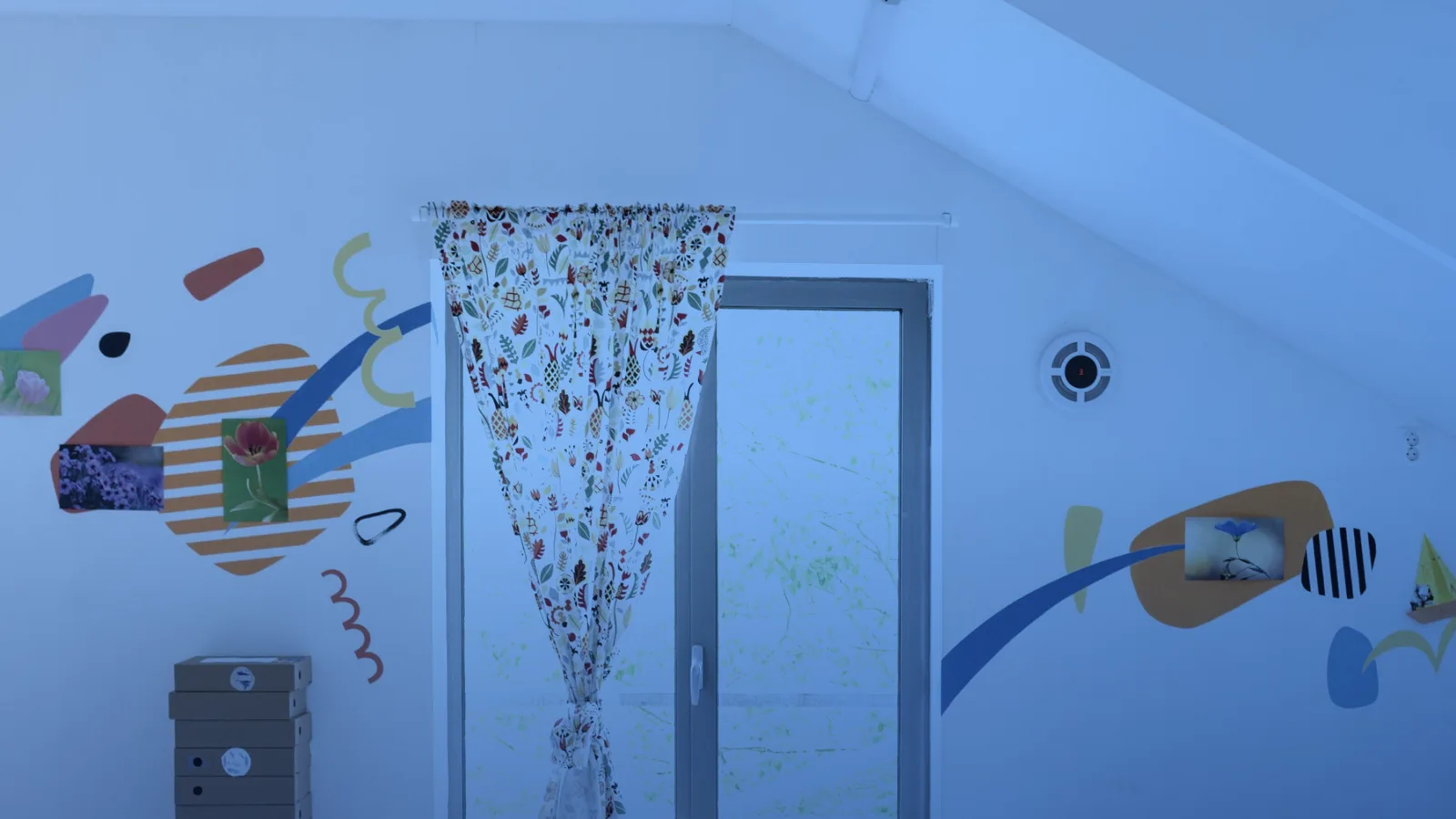
The infant room diffuser and return, the filter and pan of the unit serving it, and the diaper area extractor are checked, in that order, always outside the hours with children. No Panamanian standard was found that sets how often: the frequency comes from what the camera shows and from the signs staff notice, such as persistent odor, moisture on grilles or dust on the diffuser.
Infant room: why it is the priority
A daycare has infant, toddler and preschool rooms, and all are air conditioned. The infant room is different for three reasons. It stays closed almost all day. Its temperature is controlled more carefully, so the unit runs continuously. And its occupants spend hours in cribs and on mats at floor level, where the air leaving the diffuser ends its path. If a duct has dust, that room is where it is noticed first.
The EPA, in its guide on home ducts, recommends considering cleaning when there is visible mold on hard duct surfaces, when there are pests or when ducts release particles through the registers, and warns that cleaning has never been shown to prevent health problems. That warning is respected in a daycare more than anywhere else: the system is checked and maintained, nothing is promised about the children.
Diaper area and persistent odor
The diaper changing area is usually inside the infant room or right next to it, with a sink and a closed bin. The odor staff describe as persistent, the one still there even with the bin empty and the surface clean, almost always has one of two causes: an extractor that does not discharge outdoors but into the ceiling, or an air conditioning return placed right over the changing area, which carries the odor to the rest of the room.
The fieldwork is carried out by the Climatiza team, who check branches, grilles and air handlers and record the result in an illustrated report, also in the case of preschools and daycare centers.
| Sign staff notice | What it usually means | What is checked |
|---|---|---|
| Odor that returns when the air comes on | Deposit in the duct or pan with standing water | Pan, coil and first section with the camera |
| Drops or stains on the grille | Condensation from damaged insulation or very cold air | Section insulation and temperature setting |
| Grey dust on the edge of the diffuser | Saturated filter or duct with loose dust | Filter and supply section |
| Odor in the diaper area with everything clean | Extractor that does not discharge outdoors | Extractor run all the way to the outlet |
How to check in hours without children
The check is done when there are no children in the room, which in a daycare means before seven in the morning, after the last pickup or on a Saturday. The room is closed, the cribs are covered, the grille is removed and everything is photographed before anything is touched. At the end, the room is left as it was and the unit is switched on to confirm there is no new odor or noise before the babies return.
- Room diffuser and return. They are removed, photographed on both faces and the camera is used on the first duct section of each.
- Unit serving the room. Filter with a date, pan dry and draining freely, coil without a layer of damp dust.
- Diaper area extractor. It is confirmed that it discharges outdoors and that its grille is not blocked.
- Decision and closure. What gets cleaned and what does not is decided with the criteria for knowing when cleaning is due, and the unit is switched on before the room reopens.
The frequency parents ask for
Parents ask how often the air in the infant room is cleaned and expect a number. The honest answer is that no standard was found in Panama that sets that frequency. MIDES Executive Decree 64 of 2021, which regulates early childhood care centers, mentions ventilation, hygiene and order as criteria the supervisor verifies on the premises, with no deadlines or technical values. So the frequency is defined by the evidence: the filter is checked within the staff routine, the camera is run when a sign appears or at least when the season changes, and cleaning is done only where needed.
- Infant room filter checked more often than those of the older rooms.
- Camera in the first section at least when the season turns from dry to rainy, when humidity rises.
- Condensate pan looked at weekly by staff, for the standing water risk the EPA describes.
- Log of odors and stains in a room notebook, with the date.
- Cleaning only of the sections the camera showed with deposits.
What to show families and MIDES
Families want to see, not read. Two camera photos, one of the infant room duct before and one after, say more than any text, and it helps to keep them in the room folder for the parents meeting. For a MIDES supervision the same material, organized, works: visit date, rooms checked, photos, filters changed and what remains pending, with no statements about effects on the children’s health.
Care per room resembles that of an educational center where each classroom is checked in its pause, and coordinating a room that cannot be opened during service hours recalls a health care center with a protocol per area. To decide how much attention each room needs by its use, the duct inspection planner orders the priority among infants, toddlers and preschool.
Questions about a specific building can be sent to Climatiza, and the service description shows what a visit includes.
Sources
On this site
- Universities and schoolsHow the work is organized in this sector
- Hospitals and clinicsA neighboring sector
- Camera inspectionThe real condition before deciding
Climatiza and Radar Panamá
Frequently asked questions
Should the infant room have its own air unit?
It is the most convenient setup for temperature control and for checking without affecting other rooms. If it shares a unit with the toddler room, the check covers both and is scheduled when both are empty.
What if the camera shows mold in the duct?
It is photographed, the moisture source is identified, usually the pan, condensation or wet insulation, and it is fixed before cleaning. The EPA notes that without fixing the cause the problem returns. The room is not used until the section is closed.
Can the report be shown to parents as is?
Yes, if it is written for that: photos, dates and actions, with no promises. Any technical phrase that could be read as an assurance about health should be removed, because neither the EPA nor the CDC supports that reading.
Is the diaper area extractor checked together with the ducts?
Yes, in the same visit, because the persistent odor often comes from there and not from the air conditioning. It is confirmed that it discharges outdoors and that the grille is not blocked. If it discharges into the ceiling, it goes in the report as pending for the electrician or the mechanical contractor.
Keep reading

Request an inspection
Do you want to know the condition of your system?
A camera inspection lets you see the inside of the ducts before deciding what to do. Message us and we will confirm availability.
- +507 6388-2083
- info@climatizapanama.com
- Calle Gervasio García, 8, Panama City